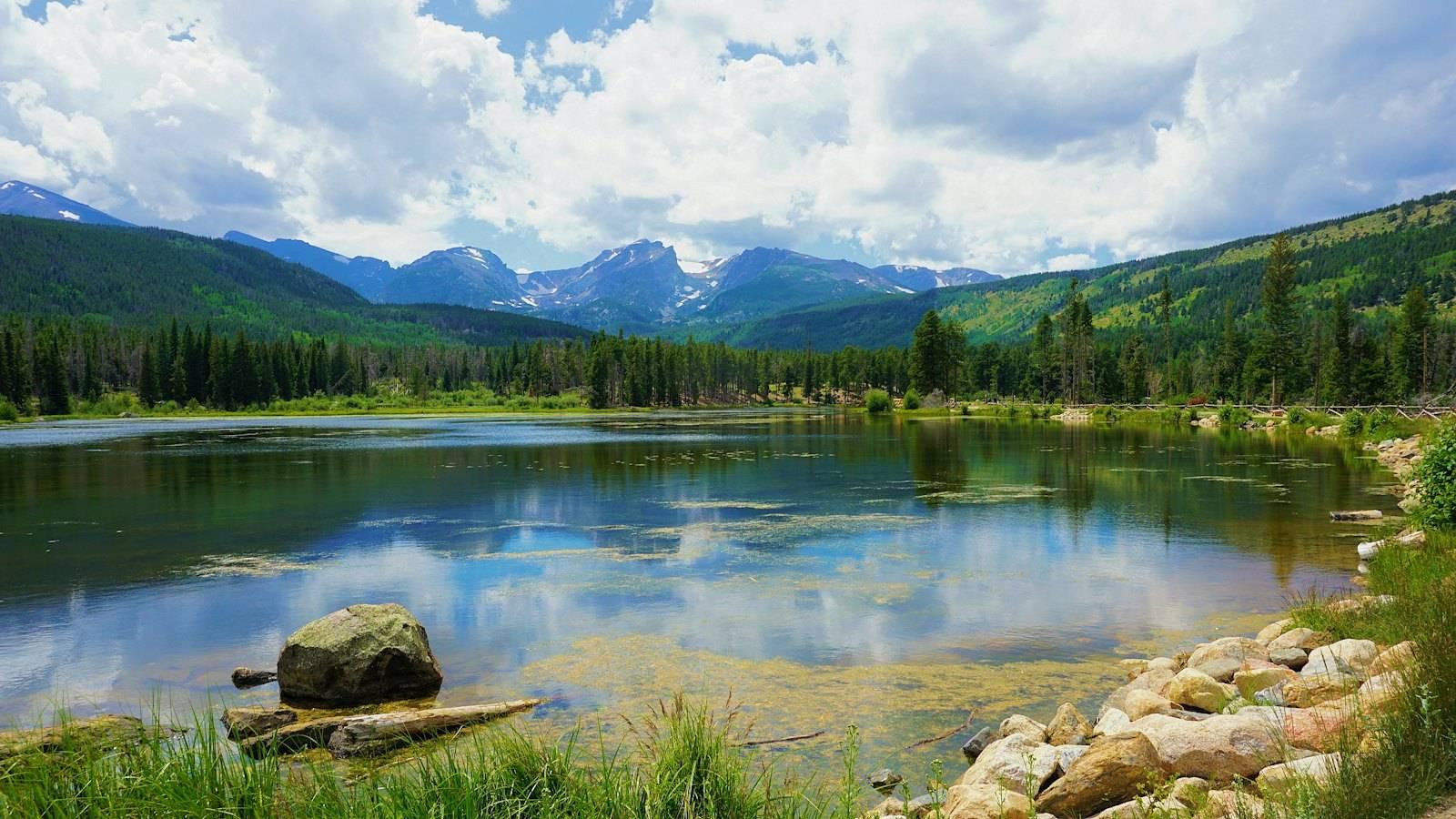
Rocky Mountain National Park
Alpine lakes, elk in the meadows and big pine and aspen stands give you plenty to look at from your hammock. Keep it inside your site, skip Timber Creek and watch the sky for afternoon storms.
Yes inside the footprint of your campsite, except at Timber Creek Campground where hammocks are banned.
- Hammocks are only allowed within the designated footprint of the campsite.
- Hammocks may not overhang or damage vegetation.
- Hammock use is prohibited at Timber Creek Campground because it lacks mature trees.
- In wilderness sites, hang out of sight of other campers and use buffer pads to protect trees.
- No dispersed camping. Overnight stays are only in campgrounds or designated wilderness sites.
Rules change. Confirm with the land manager or campground host before you hang.
Hammockability breakdown
Mosquitoes are common near lakes and wet meadows in June and July.
Cool nights, strong sun and near daily afternoon thunderstorms in summer. Get off exposed ridges by early afternoon.
- Emerald Lake Trail
- Sky Pond Trail
- Mills Lake Trail
- Moraine Park Campground
- Glacier Basin Campground
- Aspenglen Campground
What to bring
Gear picks that suit a hang at Rocky Mountain National Park.
If you like Rocky Mountain National Park, try
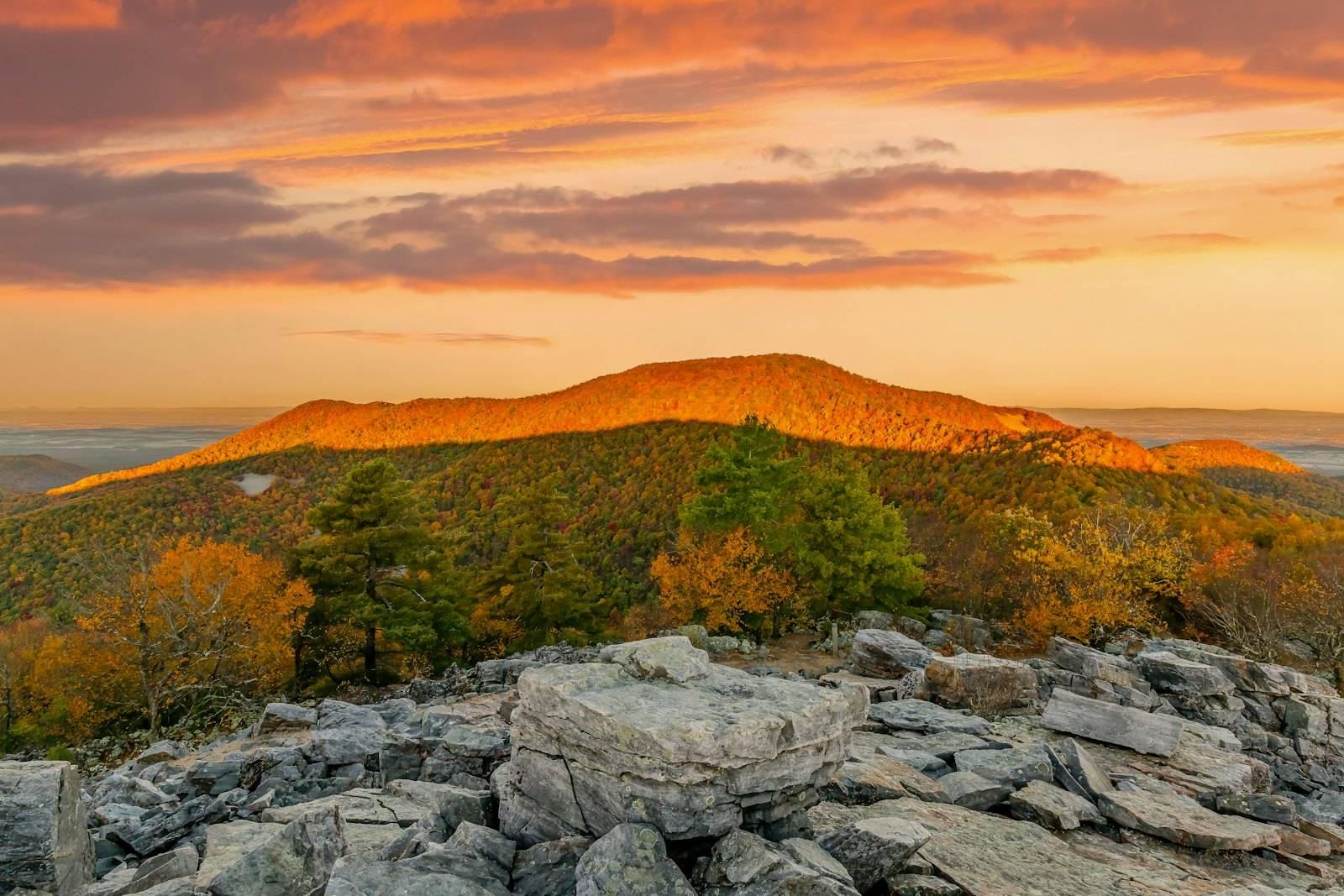
Likely yes, since campsites list hammocks as permitted equipment, but the park has no published hammock rule, so use wide straps and stay inside your site.
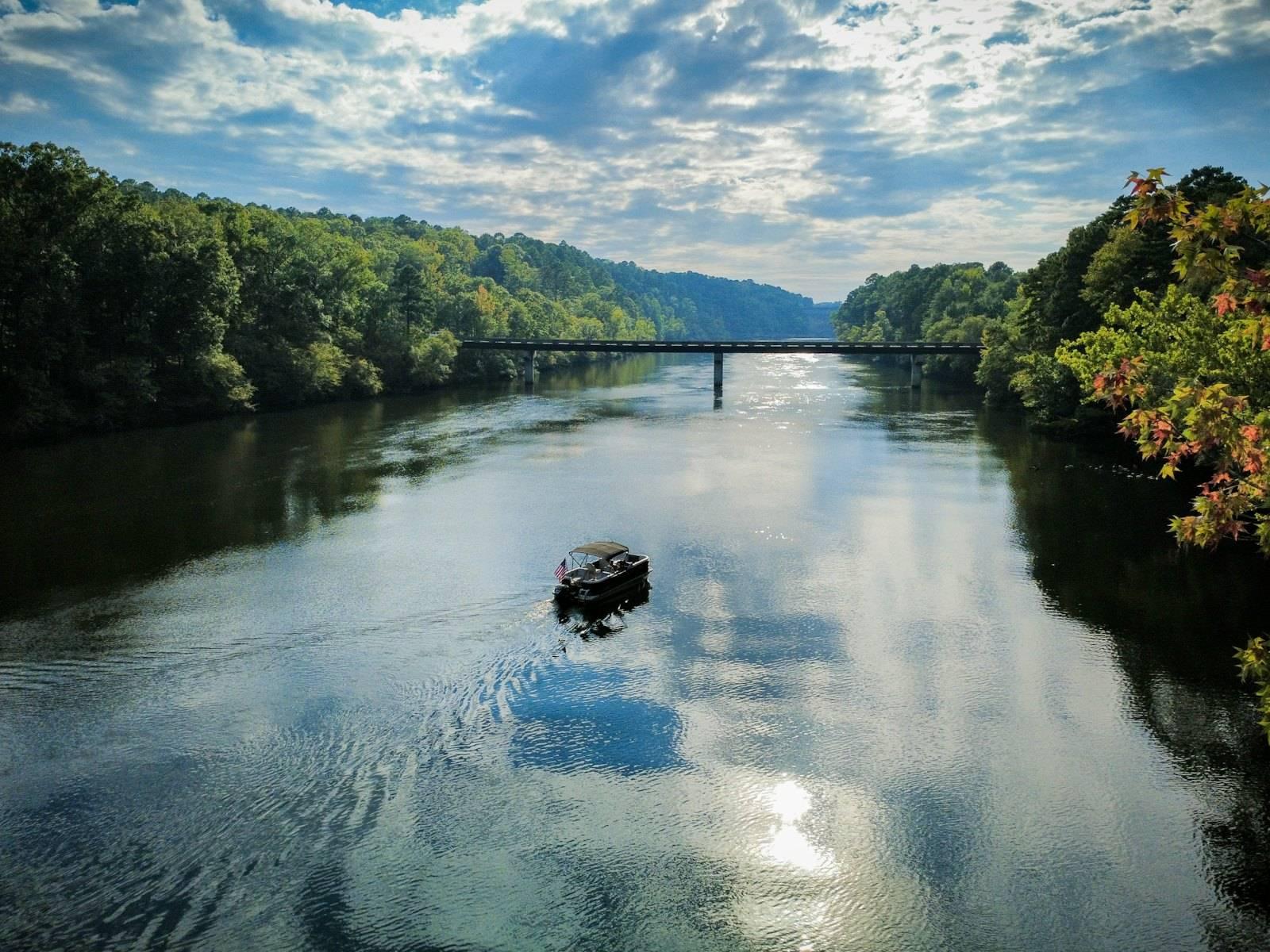
Yes, hammocks are officially permitted as long as you use straps that do not damage the trees.
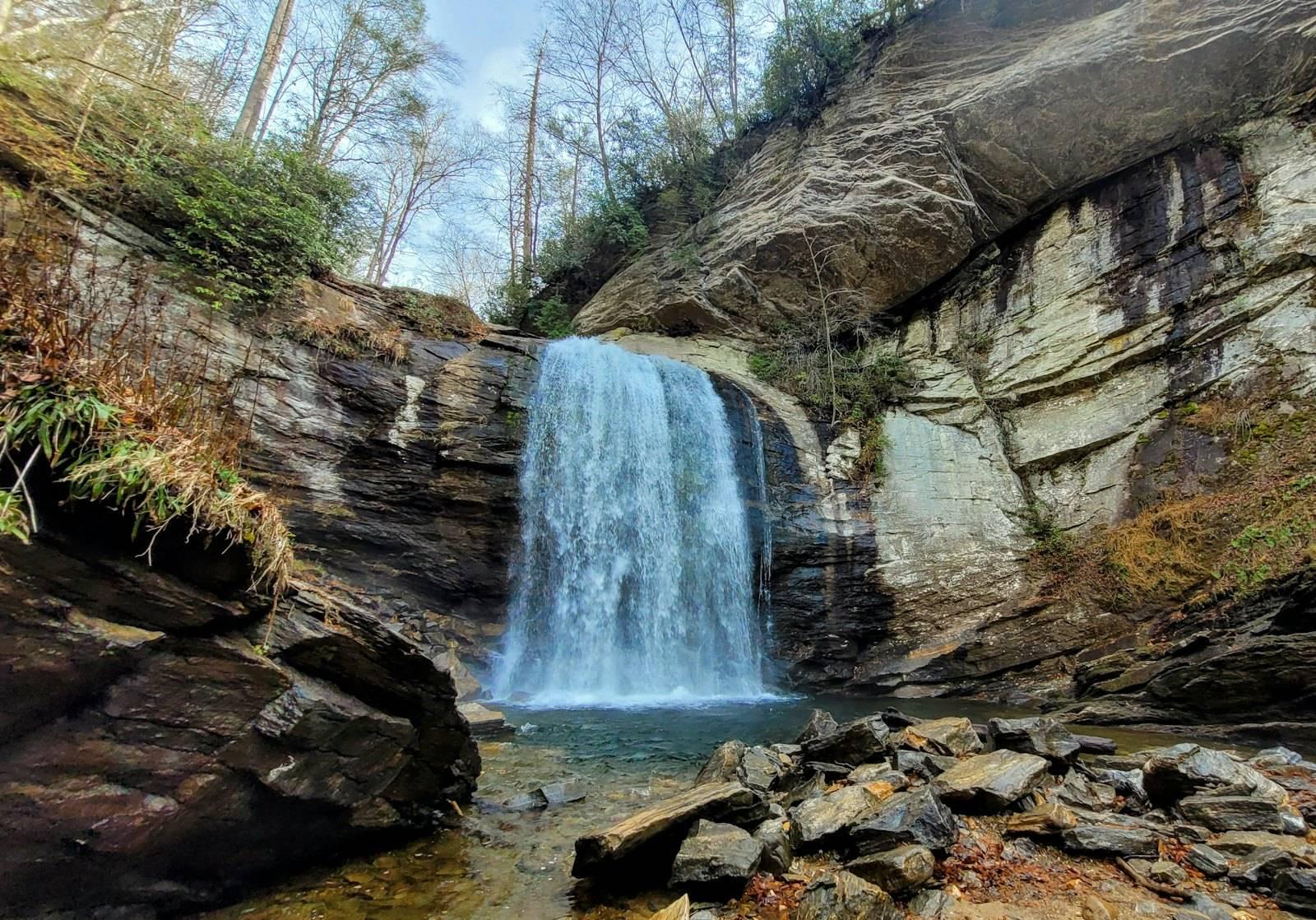
Yes in many areas, but camping is banned at Graveyard Fields and limited to designated sites in parts of the Pisgah Ranger District.