A Short History of the Hammock
From the Caribbean to sailing ships to your backyard.
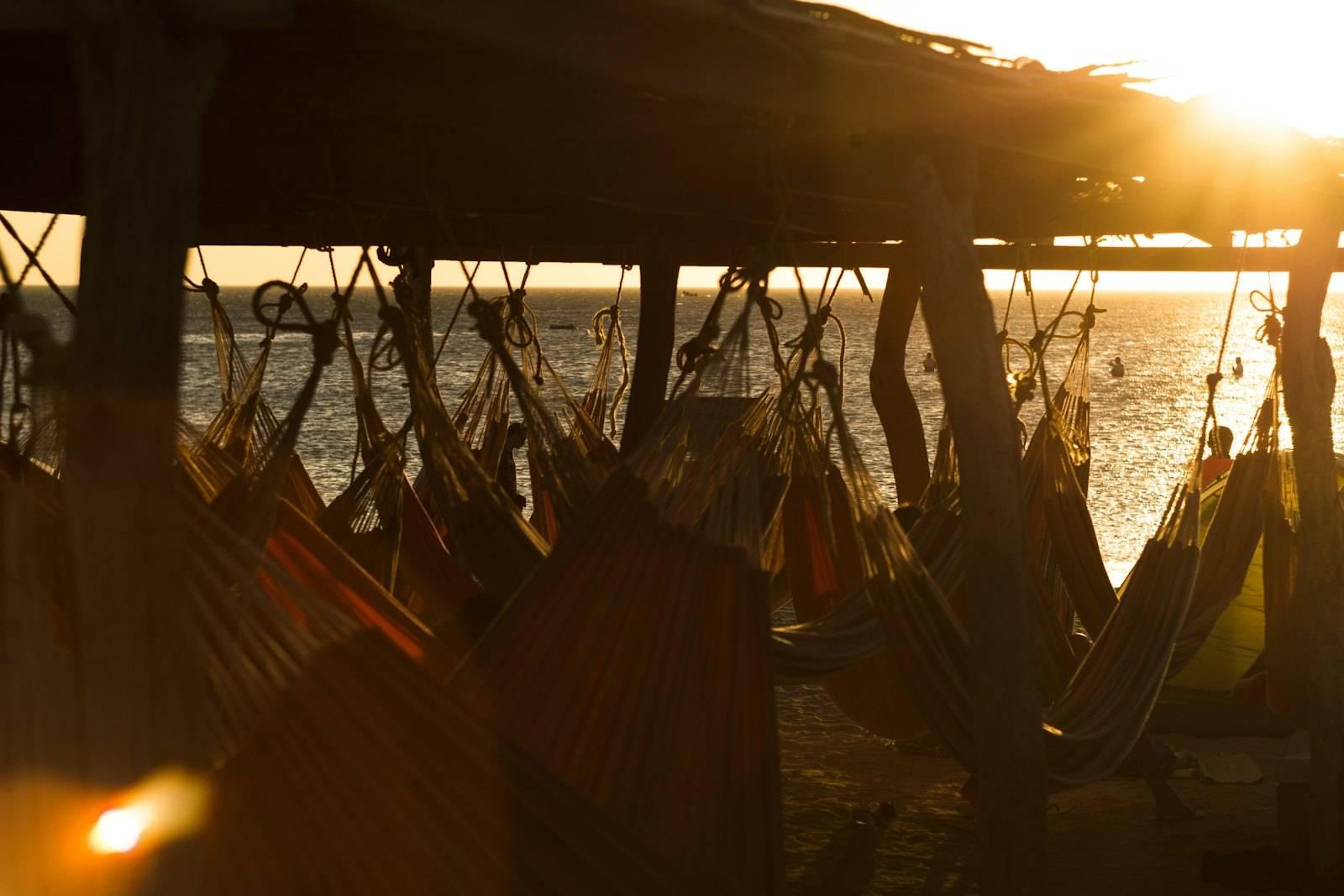
The hammock is older than most furniture you own, and its story crosses a few oceans.
Born in the Americas
Indigenous peoples of Central and South America and the Caribbean were sleeping in woven hammocks long before Europeans arrived. The English word comes from the Taíno word hamaca. Off the ground, people stayed clear of insects, snakes and damp earth, and stayed cooler in the heat.
Across the ocean
Spanish explorers wrote about hammocks in the late 1400s and carried the idea back to Europe. Navies soon adopted canvas hammocks for sailors. They saved space below deck, swung with the ship instead of throwing sleepers onto the floor and could be rolled up during the day.
Into the backyard
Rope hammocks with spreader bars became a symbol of lazy summer days, especially on the US East Coast. In Mexico's Yucatán, finely woven hammocks remain a craft tradition and many homes still have hammock hooks in every room.
The nylon era
Lightweight parachute nylon changed everything for travelers and campers. A hammock that packs into a fist-sized sack made hammocking an outdoor sport, not just a porch habit. Today you will see them everywhere from college quads to national forests.
Find a hammock-friendly spot near you.