Trip Planner
Plan your hammock trip
Pick a place and a month. We’ll build the gear list, the setup, where to camp and the best time to be in your hammock.
Style
Experience
Your hammock trip
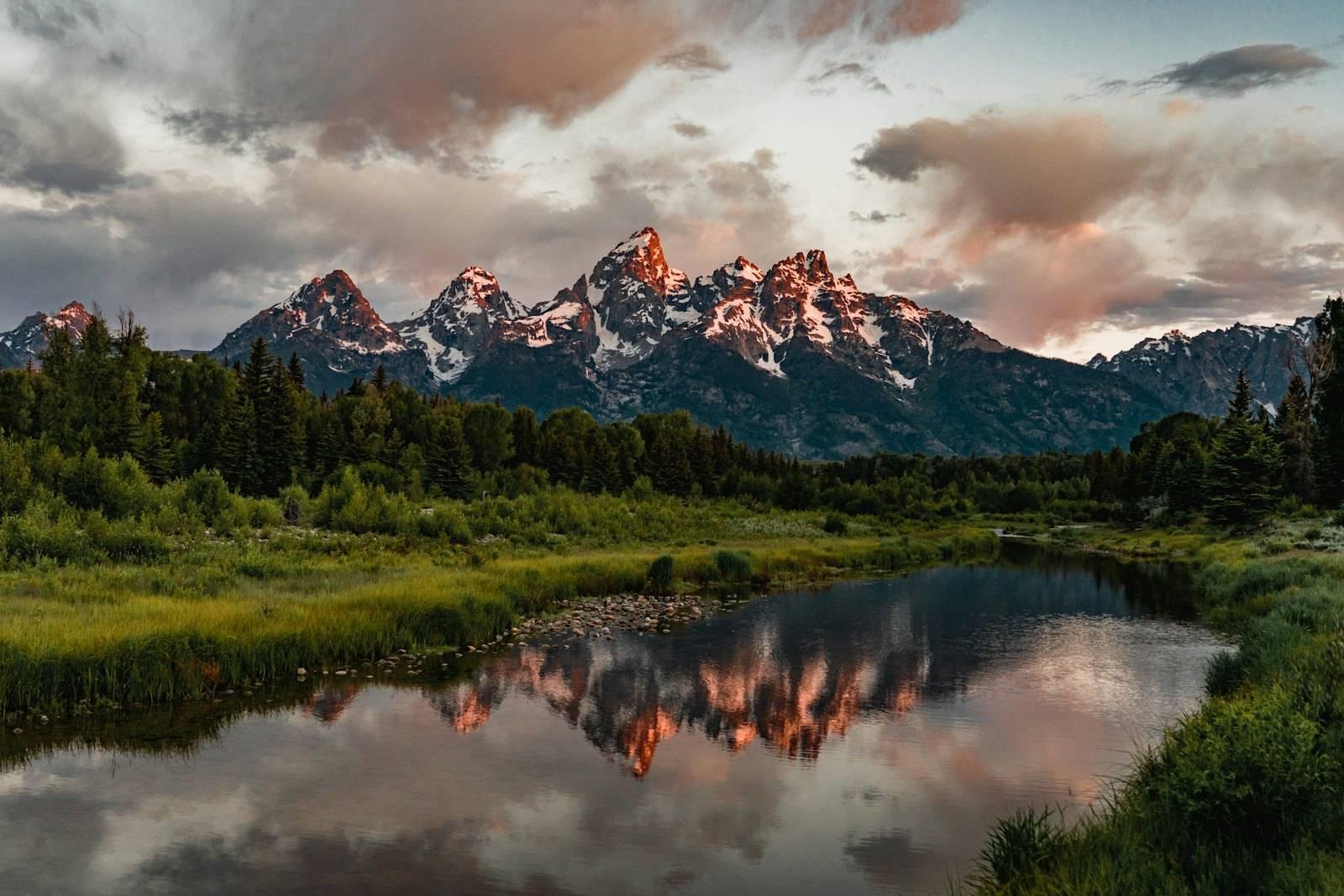
Grand Teton National Park
November · 3 days, 2 nights · Camping
Hammockability
6.8
Rules
Restrictions
Best time to hang
3:27 PM
Sunset
4:57 PM
⚠️ Yes at campgrounds like Colter Bay that list hammocks as permitted equipment, though the park has no detailed hammock rule.
⚠️ November is outside the best season here (June to September). Check road and campground openings.
What to bring
- Hammock
10 to 11 ft for sleeping - Tree straps
1 inch or wider - Ridgeline
Same sag every night - Rain tarp
Pitch it even if the sky is clear - Underquilt
Essential: nights get cold - Top quilt or sleeping bag
Rated well below the forecast low - Bug net
Bugs are a real factor here - Headlamp
Clip it to your ridgeline - Water + snacks
Hammocks make you stay longer than planned - A practice run
Set everything up at home once
Hammock setup
- Find two healthy trees 12 to 15 feet apart, at least 6 inches across.
- Straps at about head height, suspension at roughly 30 degrees.
- Sit height about 18 inches. Lie diagonally.
- Pitch the tarp first if rain is possible, then hang the hammock under it.
Where to camp
Colter Bay Campground or Jenny Lake Campground, Signal Mountain Campground
Nearby hikes
Cascade Canyon Trail · Taggart Lake Trail · Jenny Lake Loop
Weather & bugs
Cool nights and frequent afternoon thunderstorms in summer. Snow lingers at high elevations into July.
Mosquitoes are thick near lakes and marshes from mid June to late July.
Sunrise 7:16 AM · Sunset 4:57 PM (local, mid-November)