Trip Planner
Plan your hammock trip
Pick a place and a month. We’ll build the gear list, the setup, where to camp and the best time to be in your hammock.
Style
Experience
Your hammock trip
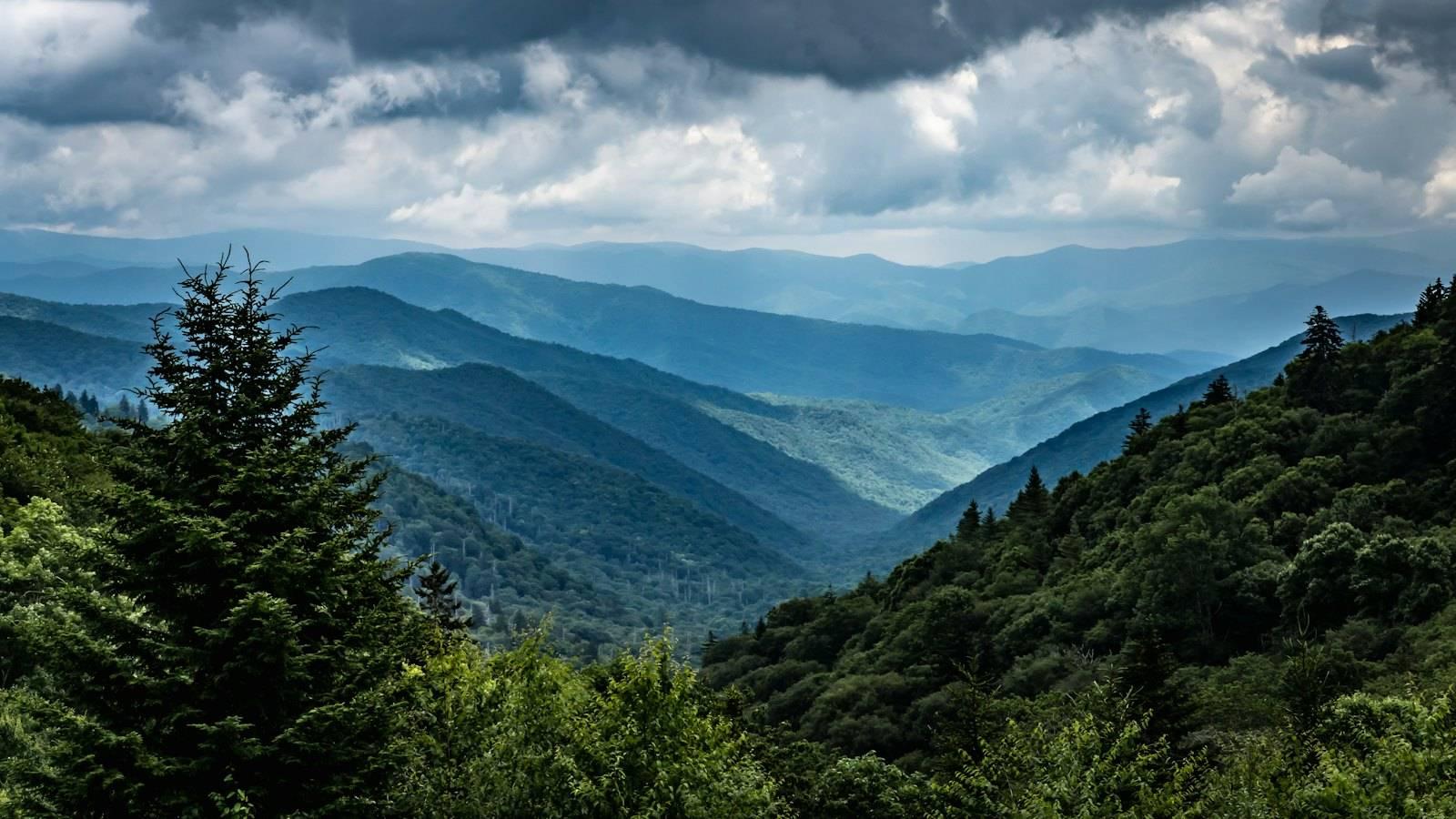
Great Smoky Mountains National Park
November · 3 days, 2 nights · Camping
Hammockability
7.3
Rules
Restrictions
Best time to hang
3:57 PM
Sunset
5:27 PM
⚠️ Yes, hammocks are allowed in campsites and designated backcountry sites with tree saver straps, but never in or on shelters.
⚠️ November is outside the best season here (April to June and September to October). Check road and campground openings.
What to bring
- Hammock
10 to 11 ft for sleeping - Tree straps
1 inch or wider - Ridgeline
Same sag every night - Rain tarp
Pitch it even if the sky is clear - Underquilt
Essential: nights get cold - Top quilt or sleeping bag
Rated well below the forecast low - Bug net
Bugs are a real factor here - Headlamp
Clip it to your ridgeline - Water + snacks
Hammocks make you stay longer than planned - A practice run
Set everything up at home once
Hammock setup
- Find two healthy trees 12 to 15 feet apart, at least 6 inches across.
- Straps at about head height, suspension at roughly 30 degrees.
- Sit height about 18 inches. Lie diagonally.
- Pitch the tarp first if rain is possible, then hang the hammock under it.
Where to camp
Elkmont Campground or Cades Cove Campground, Smokemont Campground
Nearby hikes
Alum Cave Trail · Laurel Falls Trail · Abrams Falls Trail
Weather & bugs
Humid summers with frequent afternoon storms. Higher ridges stay cooler and wetter.
Mosquitoes, gnats and ticks are common from late spring through summer, lighter at higher elevations.
Sunrise 7:09 AM · Sunset 5:27 PM (local, mid-November)