Are Hammocks Worth It? An Honest Answer
For some people a hammock becomes their favorite seat and bed. For others it ends up in a closet. How to know which one you are.

Hammocks are worth it if you have somewhere to hang one, two trees, sturdy posts or a stand, and you will use it at least a few times a month. A basic hammock with straps costs about $40 to $75 and lasts years with care. They are less worth it if you have no anchors, sleep only on your stomach or need a full overnight system you will rarely use.
Are hammocks actually comfortable?
For most people, yes, once it is hung right. Most bad first experiences come from two mistakes: hanging it too tight and lying straight down the middle.
- Let it sag. Aim for the suspension to leave each anchor at about 30 degrees from horizontal. A tight hammock squeezes your shoulders into a banana curve.
- Lie on the diagonal. About 15 to 20 degrees off center. Your back ends up much flatter.
- Raise your feet a little. Hang the foot end a few inches higher so you do not slide toward the middle.
Our step by step hanging guide and how to sleep in a hammock cover both. If yours already feels wrong, see why is my hammock uncomfortable.
Are camping hammocks comfortable?
This is where opinions split, and Reddit shows both sides. One popular thread from a long time tent user says their first night in a hammock was far more comfortable than expected. Another thread calls a first night in a hammock the worst camping trip its author had been on.
The difference is usually setup and temperature, not the hammock. The common reasons a first night goes badly:
- Hanging too tight, so you lie in a curve.
- No insulation under you, so you are cold even on mild nights. See how to stay warm in a hammock.
- A hammock too short for your height. Look for 10.5 to 11 feet if you are 5 ft 10 in or taller.
Side and stomach sleepers have a harder time. Some adapt, and some go back to a tent for sleep quality. Read hammocks for side sleepers before you commit.
What a hammock really costs
| Use | What you need | Price range from our gear data |
|---|---|---|
| Backyard or park lounging | Hammock and straps | $39.95 (Wise Owl DoubleOwl, straps included) to about $105 (ENO DoubleNest plus Atlas bundle) |
| Porch centerpiece | Woven or rope hammock, hardware or stand | $229 (Yellow Leaf Classic Double, no hardware) to $299.99 (Pawleys Island Large rope) |
| No trees | Hammock and stand | $129.99 (Vivere cotton hammock with stand) to $399.95 (ENO SoloPod stand alone) |
| Overnight camping | Hammock, straps, bug net, tarp, insulation | All-in-one kits from $169.95 (Hennessy Expedition Zip) to $299.95 (Kammok Mantis), plus insulation |
The camping row is the one that surprises people. Insulation is usually the priciest part: the ENO Vulcan underquilt lists $179.95, and the Hammock Gear Incubator starts at $219.95.
Spread over years, the math tends to work. A $50 hammock used twice a week for three summers costs well under a dollar per use. A $600 camping system used on one trip is a different story.
Who gets the most value
- People with two good trees or posts at home. A hammock becomes the default spot for reading and naps.
- Forest campers and backpackers. Any two trees become a bed, and rocky or sloped ground stops mattering.
- Beach and park regulars. A travel hammock packs into a daypack and turns any shady pair of trees into a seat. Find spots with Find a Hang.
- Anyone who naps. Many people say a hammock is the easiest place they have found to fall asleep. Our piece on the art of the hammock nap explains why it works.
How long it lasts also shapes the value. A nylon hammock that dries before you pack it and stays out of constant sun can last many seasons. A cotton hammock left out in the rain may not make it through one. The cheapest way to make a hammock worth it is to store it dry.
Who tends to regret buying one
- No anchors and no stand budget. A hammock in a box is not a hammock.
- Strict stomach sleepers planning overnight trips.
- Desert and above-treeline campers. No trees, no hang.
- People who buy a full overnight kit for one trip a year. A tent you already own may serve you better.
A smaller group regrets buying the wrong hammock rather than buying one at all: too short, no straps in the box, or a cotton hammock left out in the rain. Those are fixable with a little reading before checkout.
Are ENO and Yellow Leaf hammocks worth it?
These two brands come up in searches most often, for different reasons.
ENO
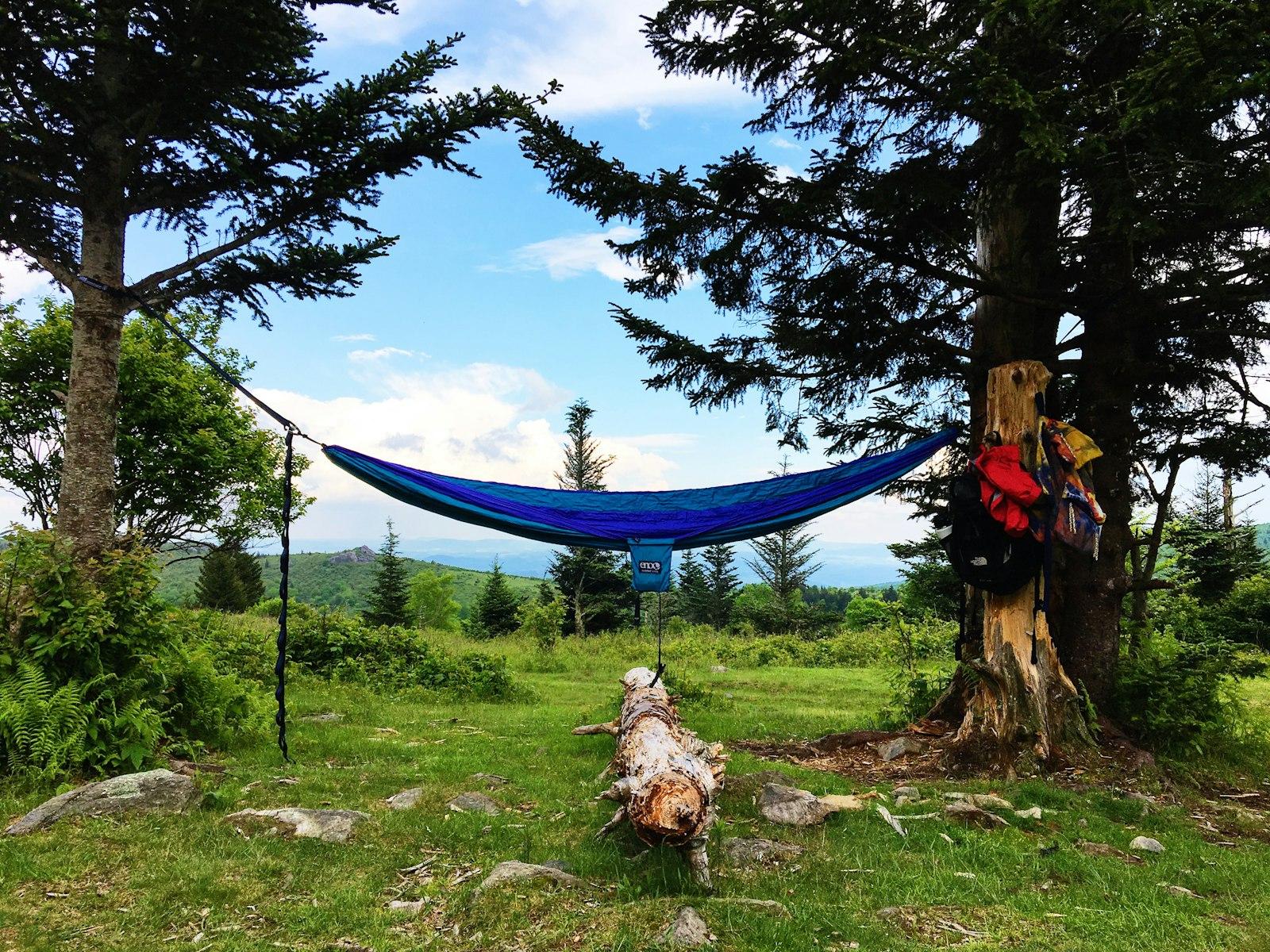
ENO hammocks are popular for good reasons: light, strong and easy to set up. The ENO DoubleNest lists 19 oz and 400 lb capacity at $74.95. The catch is that straps are sold separately, so the real starting cost is higher. Budget hammocks like the Wise Owl DoubleOwl include straps for less, with simpler hardware. We cover this in more depth in are ENO hammocks worth it.
Yellow Leaf
The Yellow Leaf Signature Classic Double is a hand-woven string hammock in acrylic yarn the maker says can stay outside. It lists $229 for the Classic Double, 400 lb capacity, and no hardware, straps or stand. It is worth it if you want a porch hammock that looks like furniture and you will leave it hanging. It is not the pick for camping or travel.
A simple test before you buy
- Find your anchors. Two trees or posts 12 to 15 feet apart, or space for a stand.
- Count the uses. If you can picture using it at least twice a month, it is likely worth it.
- Start cheap. A $40 to $75 hammock with straps tells you whether you like hanging before you spend on a full system.
- Learn the hang before you judge it. Give it three or four sessions with a proper sag and a diagonal lay before you decide it is not for you.
If you are buying for camping, try one night in the backyard first. Bring the same quilt, pad or sleeping bag you plan to use on the trail, and stay out even if you wake up at 3 a.m. That is the night that teaches you the most. You find out whether you sleep well, whether you get cold and what you forgot, all with your house 50 feet away.
Next step
Browse the best camping hammocks or the best backyard hammocks, and check the hammock scores to see how we rate each one from published specs.
Frequently asked questions
Are hammocks worth it?+
Yes, if you have two trees, sturdy posts or a stand, and you will use it at least a few times a month. A basic hammock with straps costs about $40 to $75 and lasts years with care. They are less worth it with no anchors, for strict stomach sleepers or for a full camping kit used once a year.
Are camping hammocks comfortable?+
Most people find them comfortable once they hang with sag and lie on the diagonal. Many tent campers report sleeping better than they expected. Bad first nights usually come from hanging too tight, having no insulation underneath or using a hammock too short for their height. Stomach sleepers tend to struggle more.
Are hammocks actually comfortable for sleeping?+
For many back sleepers, yes. Hang the hammock with the straps at about 30 degrees, lie 15 to 20 degrees off center and raise the foot end a few inches. Your back lies much flatter than it looks. Side sleepers can manage with a wider hammock, and stomach sleepers often prefer a lay-flat design or the ground.
Are ENO hammocks worth it?+
ENO hammocks are light, strong and simple to hang. The DoubleNest lists 19 oz and a 400 lb capacity. The catch is that straps are sold separately, which raises the real starting cost. If you want everything in one box for less, budget hammocks with included straps are worth comparing.



Find a hammock-friendly spot near you.