Top Quilt vs Sleeping Bag in a Hammock
A top quilt is built for hammocks. A sleeping bag is what most people already own. Here is when each one makes sense.
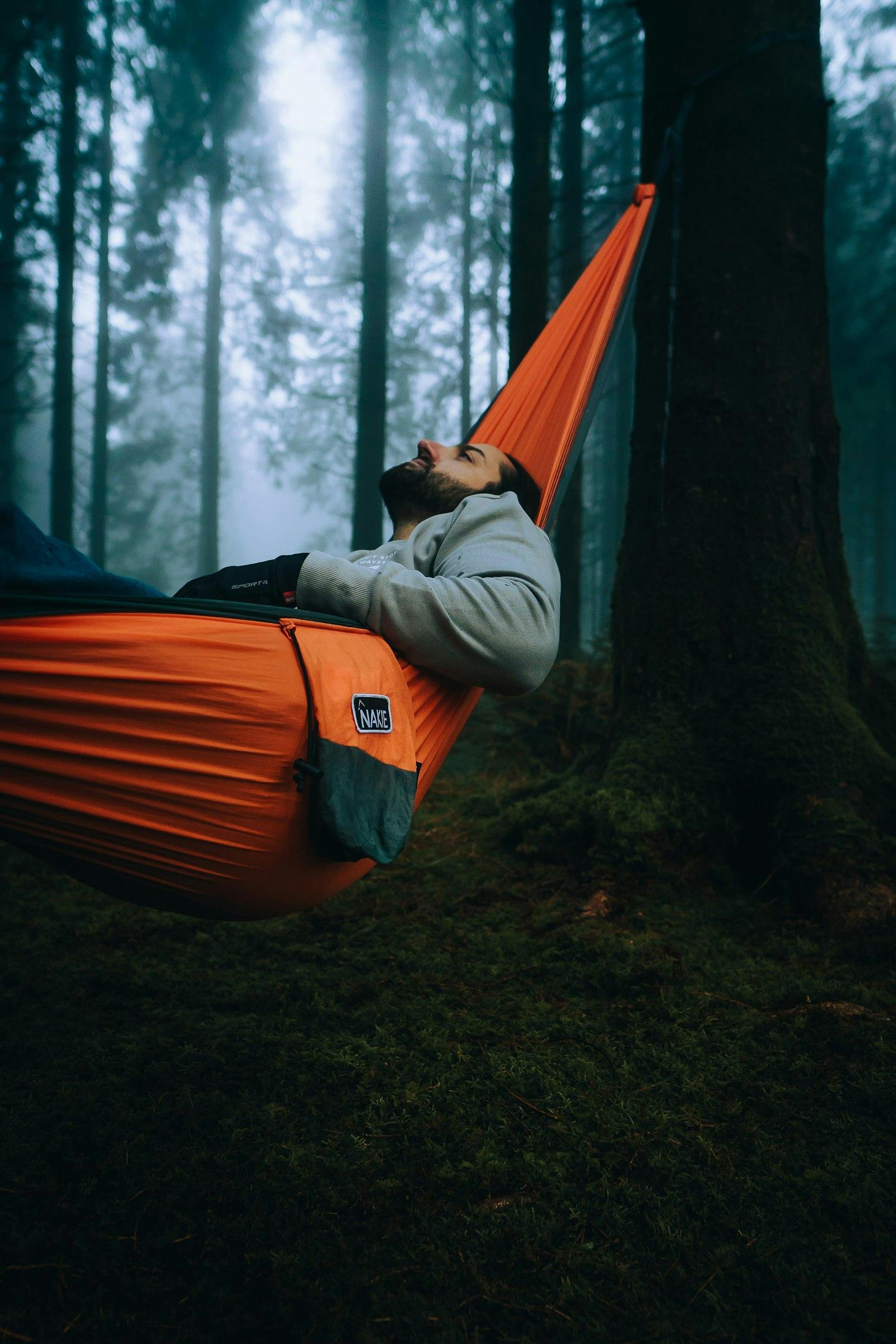
A top quilt is easier and lighter than a sleeping bag in a hammock. It has no back panel, because the insulation under you gets crushed anyway, and no full zipper to fight in a swaying hammock. A sleeping bag still works fine, and if you already own one, use it while you learn. Most hangers switch to a quilt once they hang regularly.
What is a hammock top quilt?
A top quilt is a sleeping bag with the back cut off. It covers you from the shoulders to the feet, usually with a sewn or cinched footbox at the bottom and an open back.
The idea comes from a simple fact: insulation only works when it is lofty. Whatever is under your body gets flattened by your weight, so in a sleeping bag that half is doing little. In a hammock, your underquilt or pad handles the bottom. The top quilt only needs to handle the top.
Most top quilts have:
- A closed or zippered footbox to keep your feet in.
- Snaps or a drawcord at the neck to close the top around your shoulders.
- Optional straps or pad attachments to stop drafts at the sides.
Why sleeping bags feel awkward in a hammock
Sleeping bags work, but owners commonly report the same complaints:
- Getting in is a wrestling match. Climbing into a mummy bag while the hammock moves takes practice. Many people end up sitting in the hammock and pulling the bag on like trousers.
- Zippers snag. The zipper is usually on the side you are lying on, and finding it in the dark with a curved body is not fun.
- Wasted weight. You carry the back half of the bag but it barely insulates.
- Turning over is harder. Side sleepers often turn the whole bag with them, which twists the hood over their face.
None of this stops a sleeping bag from keeping you warm on top. It just adds friction.
Top quilt vs sleeping bag compared
| Top quilt | Sleeping bag | |
|---|---|---|
| Back insulation | None (your underquilt or pad does that) | Full, but compressed under you |
| Getting in and out | Pull it over you like a blanket | Climb in, zip up |
| Weight for the same warmth | Lighter | Heavier |
| Ground use | Works with a good pad, but drafts are more likely | Better on the ground |
| Temperature ratings | Often the maker's own estimate | Many carry a standardized lab rating |
| Cost | Higher for a new purchase if you already own a bag | Free if you already have one |
Can you use a sleeping bag as a top quilt?
Yes, and it is the cheapest way to start. Fully unzip a rectangular bag and use it like a quilt, tucking the foot end around your feet. A mummy bag with a full zipper can be unzipped partway and draped over you.
Some hangers go further and use one old bag as a top layer and another as a DIY underquilt hung outside the hammock. It is heavier than dedicated gear, but it costs nothing if the bags are in the closet.
Hammock top quilt vs blanket
On warm nights, a blanket is enough. Above about 65 F (18 C), a fleece throw or a light synthetic blanket covers most people.
The difference shows up as it cools. A blanket has no footbox, so your feet slip out and get cold. It has no way to close at the neck. And it is heavier and bulkier for the warmth it gives than down or synthetic quilt fill. A top quilt is basically a blanket with those three problems solved.
How to choose a top quilt temperature rating
Pick a rating about 10 F colder than the coldest night you expect. Quilt ratings vary by maker, and sleeping in a hammock adds airflow around you, so a small margin saves a cold night.
Match it to your bottom insulation too. A 20 F top quilt over a 40 F underquilt leaves your back as the weak link. The two should be in the same range.
A few more points:
- Down or synthetic. Down packs smaller and is lighter for the warmth. Synthetic keeps more warmth when damp and costs less.
- Width. Side sleepers and restless sleepers usually want a wider quilt to avoid drafts.
- Length. If you are over 6 ft, check the long size so it reaches your shoulders.
Our guide on how to stay warm in a hammock covers how top and bottom insulation work together.
How to keep drafts out of a top quilt
The open back of a top quilt is its weak spot. In a hammock it matters less than on the ground, because the fabric curves up around you and holds the quilt edges in. Drafts still sneak in when you turn. A few fixes:
- Tuck the edges. Push the quilt sides down between you and the hammock fabric or underquilt.
- Close the neck. Snap or cinch the top around your shoulders so warm air does not pump out every time you move.
- Use a hood or warm hat. Quilts have no hood, so your head needs its own insulation on cold nights.
- Pick the right width. If you keep feeling cold air at your sides, a wider quilt fixes more than a warmer one.
- Wear a base layer. Dry, clean sleep clothes keep the quilt fill clean and add a little warmth.
Who should stick with a sleeping bag?
Keep using a sleeping bag if:
- You are new to hammock camping and still deciding if you like it.
- You split time between the ground and a hammock.
- You camp in cold, windy places without a good underquilt and want the extra coverage.
Buy a top quilt when:
- You hang most nights and want to save weight and hassle.
- You already have an underquilt or a good pad system.
- You are a side sleeper who turns often.
The combination of a top quilt and an underquilt instead of a sleeping pad is the setup many experienced hangers settle on, and owners in hammock forums regularly describe it as the upgrade that finally let them sleep well. You can see the underquilt side of that system in our list of the best underquilts.
If you are building your first overnight kit, our hammock camping guide walks through how quilts, tarp and suspension fit together.
Next step
See how insulation fits in a full kit with the hammock camping gear list, then read how to sleep in a hammock to get the lay right before your first night out.
Frequently asked questions
Is a top quilt better than a sleeping bag in a hammock?+
For most hangers, yes. A top quilt has no back panel, so it is lighter for the same warmth, and you pull it over you like a blanket instead of climbing in and zipping. A sleeping bag still keeps you warm on top. It is just heavier and harder to get in and out of in a moving hammock.
What is a hammock top quilt?+
A hammock top quilt is a sleeping bag without the back. It covers you from shoulders to feet, usually with a closed footbox and a neck closure. The back is left out because your weight would flatten that insulation anyway. In a hammock, an underquilt or sleeping pad handles the insulation underneath you.
Can I use a blanket instead of a top quilt in a hammock?+
On warm nights, yes. Above about 65 F (18 C), a fleece or light blanket is usually enough. As it cools, blankets fall short: there is no footbox, no neck closure and more bulk for the warmth. If you camp in cooler weather, a top quilt or an unzipped sleeping bag works better.
Do I need an underquilt if I have a top quilt?+
Yes, below mild temperatures. A top quilt has no insulation under your back, so it only covers half the problem. You need an underquilt or a sleeping pad underneath. On warm summer nights above about 70 F, some people skip bottom insulation, but most nights in the 60s or below call for it.

Find a hammock-friendly spot near you.