How to Get Mold Out of a Hammock (and Keep It Away)
A step by step clean for mildew on nylon, cotton and rope hammocks, when bleach is a bad idea, and when to replace it.
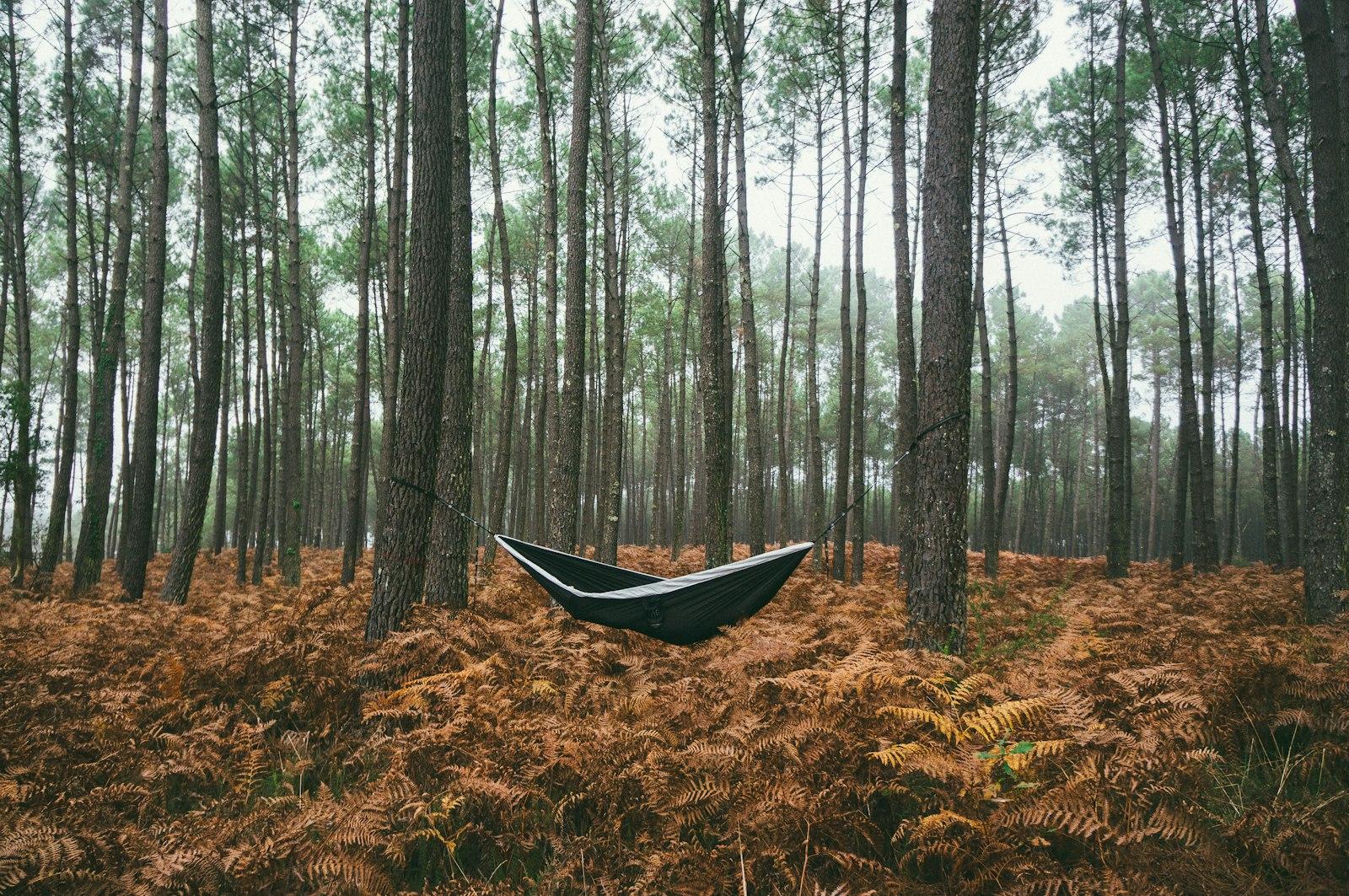
To get mold out of a hammock, take it outside, brush off loose spores, then wash it in cold water with mild detergent and scrub the spots with a soft brush. Rinse well and dry it completely within a day, in moving air. Light mildew usually cleans up. Mold that has eaten into cotton or left the fabric weak means the hammock should be replaced.
Can hammocks get mold?
Yes. Any hammock that stays damp can grow mold or mildew. It shows up as black, gray or green spots, a musty smell, or both. The usual causes:
- Packed into a stuff sack while still damp after a trip.
- Left outside through a wet week.
- Stored in a damp basement, shed or car trunk.
- Quilted or cotton hammocks that soaked up water and never dried inside.
Nylon and polyester do not feed mold the way cotton does, but dirt, sweat and sunscreen on the fabric give it something to grow on. Cotton rope and cotton fabric are the most at risk.
Mold, mildew or just a stain?
Not every dark spot is mold. Here is how to tell.
- Mildew is usually flat, gray or white, and powdery. It sits on the surface and often brushes off. Light mildew is the most common thing people find on a hammock.
- Mold is often black, green or fuzzy, and it can grow into the fibers. It usually smells musty.
- Tree sap and bark stains are sticky or brown and sit where the hammock touched the trunk.
- Sunscreen and body oil leave yellow or gray patches where your head and shoulders rest.
The cleaning steps below work for all of them. Sap needs a little extra work, covered in how to wash hammock straps and quilts.
Before you start: safety
Mold spores can irritate your nose, eyes and lungs. Work outside, wear gloves, and consider a mask if there is a lot of it. If you have asthma, allergies or a weak immune system, ask someone else to do the cleaning or check with your doctor first.
How to clean mold off a hammock
- Take it outside. Lay it on a tarp or hang it from a line in open air.
- Brush off loose growth. Use a soft brush on dry fabric. Brush away from you and downwind.
- Soak it. Fill a tub or bin with cold water and a mild laundry detergent. Soak 20 to 30 minutes.
- Scrub the spots. Work each stain with a soft brush. Do not use a stiff brush or pressure washer, which can tear threads.
- Machine wash if the fabric allows. Nylon camping hammocks can go in a front-loader on cold and gentle. Rope, woven and quilted hammocks stay hand washed. See how to wash a hammock.
- Rinse well. Leftover soap holds dirt and moisture.
- Dry it fast and fully. Hang it open in moving air. Shade or light sun is fine. Squeeze the ends and any padding before calling it dry.
The EPA's guide to mold and moisture gives the reason step 7 matters most: drying wet items within 24 to 48 hours prevents mold growth.
Should you use bleach or vinegar?
Be careful with both.
- Bleach weakens nylon and cotton fibers and can bleach out color. The EPA says biocides like chlorine bleach are not recommended as a routine part of mold cleanup, and never to mix bleach with ammonia products because it makes toxic fumes. Some rope makers allow a diluted bleach solution on specific synthetic blends, but only follow that if your hammock's maker says so.
- Vinegar is milder and many people use a diluted rinse for musty smells. Test it on a small hidden area first, and rinse it out with plain water after.
- Never mix cleaners. One product at a time, rinsed out before the next.
When in doubt, plain detergent, water, a soft brush and a long dry in the open air are the safest combination for a hammock you plan to lie in.
When to throw it out
Some mold does not come out. The EPA notes that absorbent, porous materials may have to be thrown away if they become moldy. Retire the hammock if:
- Stains remain after two good washes and the fabric still smells musty.
- The fabric feels thin, weak, or tears easily near the stains.
- Rope strings break when you pull on them by hand.
- Mold is in the padding of a quilted hammock and will not wash out.
A hammock holds your full weight. If you are not sure it is sound, it is not worth the risk.
Check the rest of the kit too. Mold on tree straps or whoopie slings means the same thing as mold on the hammock: clean it, dry it, and replace it if the webbing feels weak or stiff. A moldy down quilt needs a full wash with down soap and a long dry, and a rain tarp that smells musty needs a gentle hand wash and a full day hanging open. How long hammocks last covers the wear signs in more detail.
How to keep a hammock clean and mold free
Prevention is mostly about water and air.
| Habit | Why it works |
|---|---|
| Dry it fully before packing | Mold needs moisture to grow |
| Unpack it within a day after a wet trip | A damp stuff sack is a mold incubator |
| Store it loose in a breathable bag | Air moves, trapped moisture escapes |
| Keep storage below about 60% humidity | The EPA suggests this for homes generally |
| Wash at the start and end of each season | Removes the dirt mold feeds on |
| Hang a tarp over a backyard hammock | Less rain soaking into the fabric |
Fabric choice helps too. Synthetic nylon hammocks like the ENO DoubleNest dry in an hour or two, while cotton can stay damp for a day. If mildew keeps coming back on a backyard hammock, look at weather resistant options on the best backyard hammocks.
On the trail, pack the hammock in its sack outside your pack if it is wet, and set it up to dry at lunch if the sun comes out. At home, hang it up for a day after every trip, even if it feels dry. Stuff sacks hold moisture too, so turn them inside out and let them dry alongside the hammock. A damp sack can put mildew right back on a clean hammock.
Next step
Once it is clean, store it right. Follow how to store a hammock, and if it lives outside, keep it under cover during wet weeks. For camping trips in wet weather, the hammock camping guide covers tarp setup, and Find a Hang shows spots near you.
Frequently asked questions
Can hammocks get mold?+
Yes. Any hammock that stays damp can grow mold or mildew, especially cotton fabric, cotton rope and quilted hammocks that hold water. The usual causes are packing it wet, leaving it out through a rainy week, or storing it somewhere damp. Drying it fully before packing is the best prevention.
How do you get mildew smell out of a hammock?+
Wash it in cold water with mild detergent, rinse well, then dry it fully in open air with good airflow. Many people add a diluted vinegar rinse for musty smells, but test it on a hidden spot first and rinse it out. If the smell returns after two washes, mold may be deep in the fibers.
Can you use bleach on a moldy hammock?+
Usually not. Bleach weakens nylon and cotton fibers and fades color, and the EPA does not recommend bleach as a routine part of mold cleanup. Some synthetic rope makers allow a diluted solution on specific products. Only use it if your hammock's maker says so, and never mix bleach with other cleaners.
When should you throw away a moldy hammock?+
Replace it if stains and musty smell remain after two thorough washes, if the fabric feels thin or tears near the stains, if rope strings snap when pulled by hand, or if mold sits inside a quilted hammock's padding. A hammock carries your full weight, so weakened fabric is not worth the risk.

Find a hammock-friendly spot near you.