Can You Put a Hammock in the Dryer?
Why heat and tumbling are hard on hammocks, the one gear item that does belong in the dryer, and how to air dry fast.

Usually, no. Most hammock makers say to air dry. Dryer heat can melt or weaken thin nylon, shrink and distort cotton, and knot rope hammocks into a mess. A nylon camping hammock air dries in an hour or two when hung in moving air, so the dryer saves you very little time. The main exception is down and synthetic insulation, which often needs low heat to fluff back up.
Why a dryer is hard on hammocks
A hammock is a long piece of thin fabric carrying your full weight from two ends. Anything that weakens the fabric or the stitching near the ends is a safety issue, not just a cosmetic one.
- Heat. Nylon and polyester are plastics. Ripstop as thin as 20D to 40D can glaze, pucker or melt where it touches a hot drum. Even when nothing melts, repeated high heat is not good for the fibers.
- Tumbling. A 10 foot hammock rolls into a rope inside the drum. Whipping lines, bug net zippers and continuous loops snag and fray.
- Hardware. Any carabiner or toggle left on bangs around and can tear the fabric.
- Cotton shrinks. Cotton fabric and rope hammocks can shrink unevenly, which changes how the hammock hangs.
- Rope hammocks tangle. Dozens of loose strings in a tumbling drum knot themselves fast.
Can you dry an ENO hammock in the dryer?
The safe answer is to air dry it. ENO's DoubleNest and SingleNest are 70D nylon. That fabric dries quickly on its own, so there is no real upside to the dryer and some risk to the fabric. Hang it over a line or between two chairs, out of direct sun, and it is usually dry well before dinner.
The same goes for other parachute nylon hammocks. Lighter fabrics like the 30D ripstop on the ENO SuperSub are even less tolerant of heat, and also dry even faster.
What can go in the dryer?
Some hammock gear does belong in the dryer, on low heat. Down quilts are the main one.
| Item | Dryer? | Notes |
|---|---|---|
| Nylon camping hammock | No | Air dry in the shade |
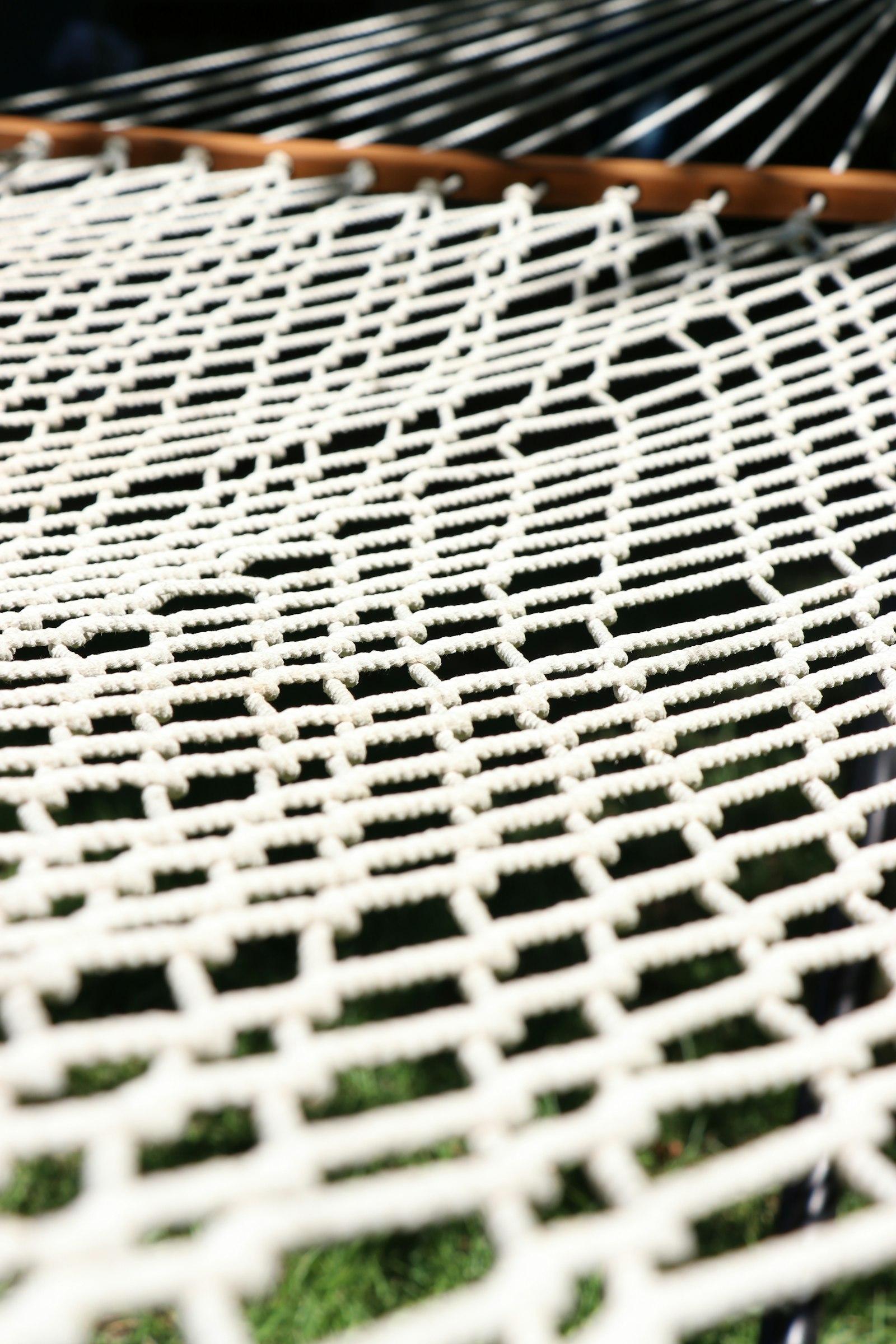
| Cotton or rope hammock | No | Air dry flat or hung open, can take a day |
| Woven acrylic hammock | No | Many makers say not dryer safe |
| Tree straps | No | Air dry, webbing dries fast |
| Rain tarp | No | Heat can damage PU and silicone coatings |
| Down underquilt or top quilt | Yes, low heat | Several cycles, break up clumps between them |
| Synthetic quilt | Often low heat | Follow the maker's label |
The reason is loft. Down and synthetic fill clump when wet, and gentle tumbling with heat breaks up the clumps and puts air back into the insulation. A hammock has no fill to restore, so it gets all the risk of the dryer and none of the benefit.
Hammock Gear's care instructions say air drying is still preferred for its down quilts. If you use a machine, use the lowest heat, check the quilt often for melting, and break up clumps between cycles. Warbonnet's care page says low to medium heat with several tennis balls, and that it may take hours. More on that in how to wash hammock straps and quilts.
How to air dry a hammock fast
A wet hammock should be dry within a day. Here is how to get there in hours instead.
- Squeeze, do not wring. Press water out by folding the hammock and pressing it flat. Wringing twists seams and tangles rope.
- Hang it open. Spread the fabric as wide as you can. A hammock bunched on a line dries on the outside and stays wet in the middle.
- Use moving air. A breezy porch or a fan does more than strong sun.
- Keep it in shade. Long hours of direct sun fade fabric and wear out nylon over time.
- Flip it halfway. Turn the inside out or flip it end to end so the gathered ends dry too. The ends hold water longest.
- Check the ends and seams. If the gathered ends feel cool or damp, it is not ready to pack.
Indoors, hang it on a hammock stand, over a shower rod, or across two chair backs with a fan pointed at it.
What about the air fluff or no heat setting? It removes the heat problem but not the tumbling. Hardware, whipping and rope strings still get thrown around, and a long hammock still twists into a knot. A fan does the same job without the wear.
How to dry a hammock on the trail
The dryer question is really a home question. On a trip, you dry with sun, wind and time.
- Shake it hard after a rainy night, then leave it hanging under the tarp while you pack the rest of camp.
- Pack it last and separate. Put a wet hammock in its own sack, outside the main compartment, so it does not soak your quilt or clothes.
- Hang it at lunch. Twenty minutes in a breeze takes most of the water out of thin nylon.
- Set it up early at the next camp. Even a damp hammock dries faster hanging than in a bag.
- Dry it fully at home. Hang it open for a day after the trip, even if it feels dry.
Your insulation matters more than your hammock. Keep quilts in a waterproof bag or pack liner and they stay dry even when the hammock does not.
What happens if you already dried it?
If your hammock already went through a dryer, inspect it before you hang it.
- Look for shiny, stiff or puckered spots in the fabric. That is heat damage.
- Check the stitching at each end, where the fabric is gathered or the whipping is tied.
- Pull hard on the end loops by hand.
- On a rope hammock, check for melted synthetic strings or knots that will not come out.
If anything looks glazed, torn or frayed near the ends, retire it or have it repaired before you trust it with your weight. Our guide to repairing a hammock covers what is fixable. Then hang it low, with your seat no more than about 18 inches off the ground, for the first test sit.
Drying before storage
The dryer question usually comes up after a rainy trip. The goal is the same either way: get it fully dry before it goes back in a stuff sack or a bin. A hammock packed damp for a few days can grow mildew. See how to get mold out of a hammock if that already happened.
Next step
Read the full guide to washing a hammock, then check the hammock safety guide before your next hang.
Frequently asked questions
Can you dry an ENO hammock in the dryer?+
Air drying is the safe choice. ENO hammocks are thin nylon that dries in an hour or two when hung in moving air, so a dryer saves little time and adds risk of heat damage and snags. Remove the carabiners, hang it open in the shade, and make sure the gathered ends are dry before packing.
Does a dryer shrink a cotton hammock?+
It can. Cotton fabric and cotton rope shrink with heat, and they may not shrink evenly, which changes how the hammock hangs and can stress the ends. Dry cotton hammocks spread open in the shade. Expect it to take most of a day, and do not store it until it is completely dry.
How long does a hammock take to air dry?+
A nylon camping hammock usually air dries in an hour or two on a warm, breezy day when hung open. Cotton fabric, rope and quilted hammocks can take most of a day. Shade plus moving air works better than strong sun. Check the gathered ends last, since they hold water longest.
Can you put a down underquilt in the dryer?+
Yes, on low heat. Makers like Hammock Gear and Warbonnet allow a dryer for down quilts after washing, on the lowest or low to medium setting, often with clean tennis balls. Expect several cycles. Stop to break up clumps, and keep going until no clumps remain and it smells clean.



Find a hammock-friendly spot near you.