Can You Leave a Hammock Outside?
What sun, rain and humidity do to nylon, cotton and rope hammocks and stands, and a simple routine for a backyard hammock that stays up.
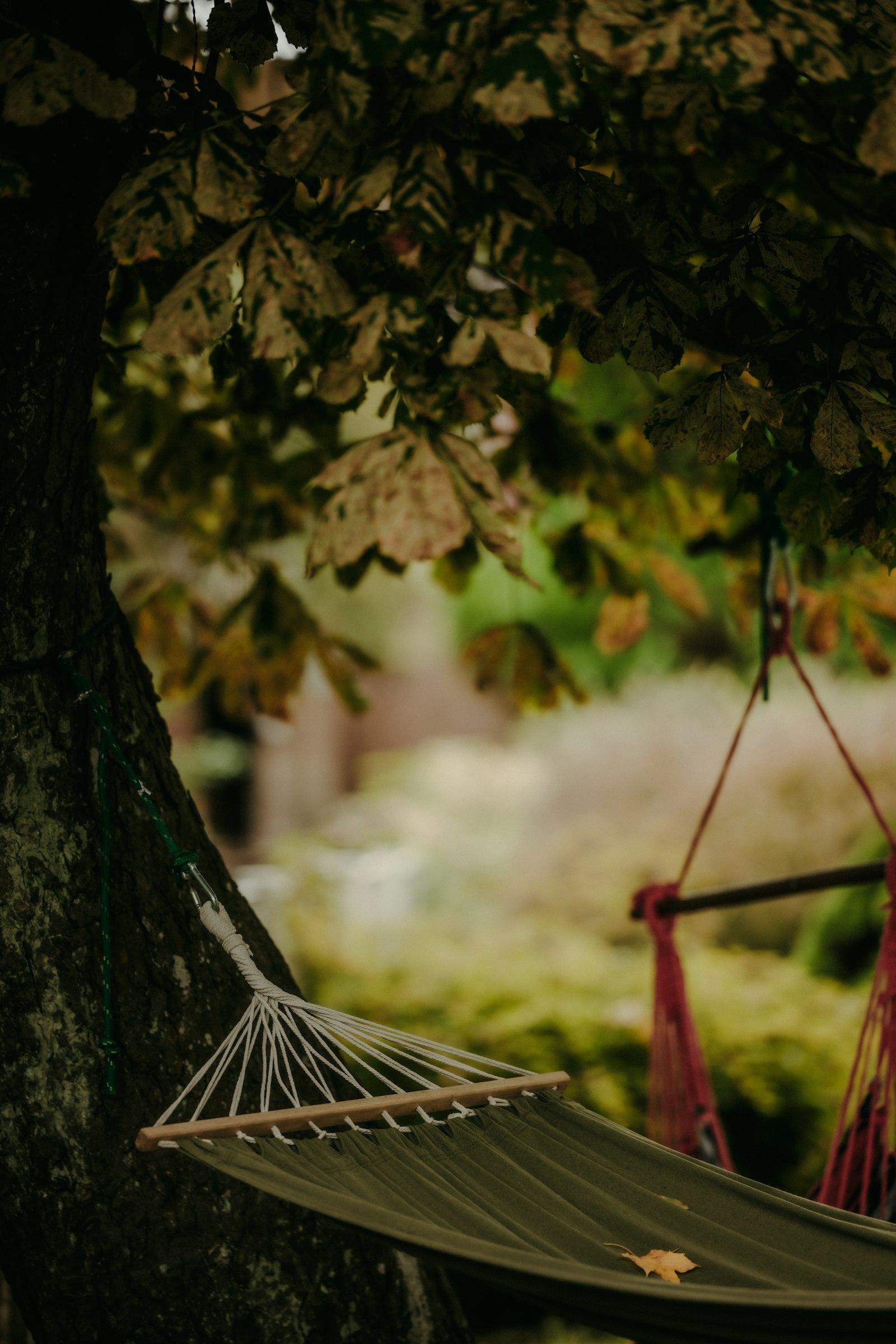
You can leave a hammock outside for a few days, and some are built to stay out for a season. But most hammocks wear out much faster when left up full time. Sun breaks down nylon and fades color, rain plus humidity grows mildew on cotton, and dirt grinds into the fibers. Bring it in during long stretches of bad weather and it will last years longer.
Are hammocks weather resistant?
Some are, and the material tells you how much. Here is how common hammock types hold up when left outside.
| Material | Sun | Rain and humidity | Leave out? |
|---|---|---|---|
| Parachute nylon | Fades and weakens with long exposure | Dries fast | Short periods, bring in between uses |
| Polyester | Handles sun a bit better than nylon | Dries fast | Better than nylon, still bring in for long storage |
| Cotton fabric or rope | Fades | Holds water, mildews | Only in dry spells, bring in when wet weather sets in |
| Synthetic or treated rope blends | Better than cotton | Many are sold as mildew resistant | Longer, still store for winter |
| Solution-dyed acrylic | Sold as UV resistant | Sold as mold and mildew resistant | Built for outdoor use |
The Yellow Leaf Signature Classic, for example, is listed as solution-dyed acrylic yarn that can stay outside. The Vivere Double Cotton is cotton, and cotton fades and mildews if left out in wet weather.
Can you leave a hammock in the rain?
One rain shower will not hurt a decent hammock. The trouble is a hammock that gets wet and stays wet. Water sits in the gathered ends, in the padding of quilted hammocks, and in the knots of rope hammocks.
The EPA's guide to mold and moisture says drying wet items within 24 to 48 hours prevents mold growth. That is a useful rule for hammocks too. If yours got soaked and will not dry in two days, take it down and dry it properly.
- After rain: shake it, spread it open, and let it dry before you use it or bag it.
- Before a long wet stretch: take it down and store it dry.
- Quilted or cotton hammocks: treat any soaking as a reason to bring it in.
How long can you leave a hammock outside?
There is no exact number, but here is a practical way to think about it.
- A weekend or a week of dry weather: fine for almost any hammock.
- A summer season: fine for weather resistant materials if you take it down for storms and wash it once or twice. Nylon and cotton will fade and wear faster.
- Year round: not a good idea for any hammock. Winter brings snow load, freeze and thaw, and months of damp with little drying time.
Snow is the hidden risk. A hammock left hanging collects snow and ice, and that weight pulls on the fabric, the ends and the anchors all winter. Wet cotton that freezes and thaws stays damp for weeks. Take it down when the first cold, wet stretch arrives and you will have a hammock that looks good in spring.
What sun does to a hammock
UV light is the slow one. You will not see the damage on day one, but nylon and polyester webbing lose strength with long sun exposure, and fading is often the first visible sign. Faded color tells you the fabric has been sitting in the sun a long time.
For camping hammocks, that means the hammock and the tree straps both age faster when left up. Anything holding your weight deserves a closer look after a summer in the sun. How long hammocks last lists the signs to watch for.
Can I leave my hammock stand outside?
Steel stands are usually powder coated and handle rain better than the fabric does. The Vivere Universal Steel Stand and ENO SoloPod are both powder coated steel. Stands still wear outdoors:
- Chips in the powder coat start rust. Touch them up with matching paint.
- Bolts and hooks rust first. Check them each spring and replace any with heavy rust.
- Water collects inside tubes in some designs. Tilt the stand or store it under cover over winter.
- Wood stands need sealing every season or two. Follow the maker's guidance.
A stand left out on grass also sinks unevenly and holds moisture at the feet. A paver or deck under each foot helps.
How to keep a backyard hammock outside
If you want a hammock that stays up all summer, these habits help it last.
- Pick a hammock built for it: acrylic, polyester or a treated rope.
- Hang it in partial shade if you can. Less direct sun means less fading.
- Flip it or take it down before storms and long wet stretches.
- Wash it at the start and end of the season, and rinse off pollen, sap and bird droppings as they land. See how to wash a hammock.
- Store it dry and indoors for winter. See how to store a hammock.
- Check the ends, strings and hardware each month during the season.
A cover over the hammock (a sun shade or a small tarp) also cuts both UV and rain. Some people hang a cheap tarp above a backyard hammock all summer for this reason.
Wildlife and pets are the other outdoor wear. Squirrels chew strings, birds leave droppings that stain, and a dog's claws catch in rope. If the hammock is in a spot critters love, flip it over the top bar of the stand or clip it up when you are not using it. Rinse off droppings soon, before they set.
Hardware needs the same attention as the fabric. It is the part people forget. S hooks, chains and eye bolts sit out in every rain. Check them for rust at the threads and bends each month, and swap anything that looks pitted. For a hammock hung from a porch or posts, check that the wood around the screws has not softened or cracked.
What about camping hammocks left up for days?
On a multi-day trip, leaving your hammock up at camp is fine. Keep the tarp pitched over it, use drip lines on the suspension so water does not run down to the fabric, and flip the hammock or clip it up under the tarp when you leave camp. Our guide to whether hammocks are waterproof explains why the tarp, not the hammock, keeps you dry. Before you leave a site, check Can I Hang Here for any rules on unattended gear.
Next step
Shopping for something that can stay outside? Compare materials on the best backyard hammocks, or check the stand options on hammocks with stands.
Frequently asked questions
Can hammocks be left in the rain?+
A short rain will not hurt most hammocks, but a hammock that stays wet for days can grow mildew, especially cotton, rope and quilted styles. Shake it out and let it dry fully after rain. Take it down before long wet stretches, and never pack or store it until it is completely dry.
Can you leave a rope hammock outside?+
For dry stretches, yes. Cotton rope holds water and mildews if it stays damp, so bring it in during long periods of rain and for winter. Treated or synthetic rope blends sold as mildew resistant handle weather better, but they also last longer when stored dry indoors in the off season.
Can I leave my hammock stand outside?+
Most powder coated steel stands handle outdoor use, but they still wear. Touch up chips in the coating to prevent rust, check bolts and hooks each spring, and put pavers under the feet if it sits on grass. Storing the stand under cover in winter helps it last longer.
What kind of hammock can stay outside?+
Hammocks made from solution-dyed acrylic, polyester, or treated rope blends handle sun and rain best. Many acrylic woven hammocks are sold as UV and mildew resistant. Cotton and parachute nylon are better brought in between uses. Even weather resistant hammocks last longer when stored dry over winter.
Find a hammock-friendly spot near you.