Are Hammocks Waterproof?
Why most hammocks are water resistant at best, what actually keeps you dry in the rain, and whether to waterproof the hammock itself.
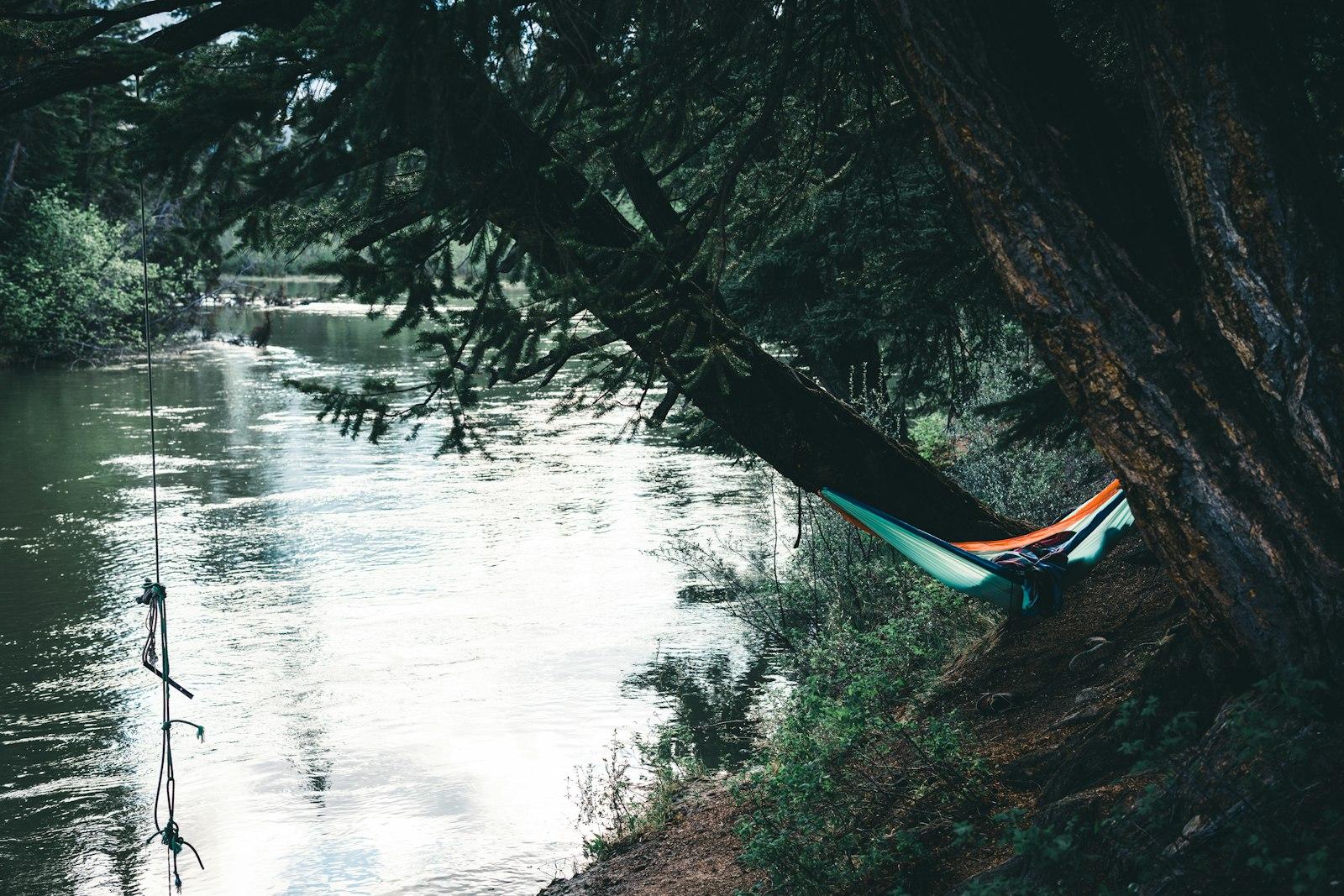
Most hammocks are not waterproof. Camping hammocks are breathable nylon or polyester that dries fast, but rain soaks through. Rope and cotton hammocks hold water. What keeps you dry is a rain tarp pitched over the hammock, plus drip lines on the suspension. A few hammocks use coated fabric, but even those need a tarp in real rain.
Are camping hammocks waterproof?
No. Popular camping hammocks like the ENO DoubleNest and Kammok Roo Double are uncoated or lightly treated nylon. The Roo's fabric has a DWR (durable water repellent) finish, which makes water bead for a while, but that is not the same as waterproof.
That is on purpose. A hammock wraps around your body all night. Waterproof fabric would trap sweat and leave you damp and cold from the inside. Breathable fabric lets moisture escape.
Some all-in-one hammocks use coated fabric. The Hennessy Expedition Zip is listed as polyurethane coated polyester ripstop. Even those are designed to be used with a rain fly over the top.
The good news: rain on a breathable hammock is not a problem if the hammock is under a tarp. The fabric only gets wet from spray, splash and water running down the straps, and all three are easy to stop.
Hammock vs tarp: what keeps you dry
| Part | Waterproof? | Job |
|---|---|---|
| Hammock body | Usually no | Holds you, breathes |
| Bug net | No | Keeps insects out |
| Rain tarp | Yes, coated fabric | Keeps rain off everything |
| Underquilt | No, protector helps | Insulates below |
| Drip lines | n/a | Stops water running down the straps |
Tarps use coated fabric. The ENO ProFly is listed as 70D ripstop nylon with a 1000mm PU coating. The Kammok Kuhli uses 15D ripstop with a Sil/PU coating. Compare tarp sizes and weights on the best hammock tarps.
Can my hammock get wet?
Yes, and that is fine. A wet nylon hammock will not be damaged by water. It just needs to dry before you pack it away. A few things to know:
- Wet nylon stretches a little. You may need to tighten the suspension after rain.
- Cotton and rope hold water. They get heavy and take most of a day to dry.
- Quilted hammocks hold water in the padding. Dry them in the open for a day or more.
- Never store a hammock damp. It can grow mildew if packed wet for days.
DWR finishes, like the one on the Roo, wear off with use and washing. When water stops beading and starts soaking in right away, the finish is fading. You can restore some of it with a wash-in or spray-on DWR product made for outdoor fabric. That helps the hammock shed light drizzle and dry faster, but it still will not keep out a real storm.
Also watch the straps. Water running along wet webbing is how most hammocks get soaked from the ends in, even under a tarp. That is the job of drip lines, covered below.
How to keep a hammock dry in the rain
Here is a basic rain setup for camping.
- Pitch the tarp first. Then hang the hammock under it. You stay dry while you set up.
- Choose a tarp long enough. It should extend at least 6 inches past each end of the hammock. Longer is better in wind.
- Pitch it low. A tarp close to the hammock blocks sideways rain. Raise it on calm nights.
- Add drip lines. Tie a short cord to each strap or suspension line, between the tree and the hammock, and let it hang down. Water running down the strap follows the cord and drips off instead of soaking into the hammock.
- Angle the tarp edge into the wind. Pitch the low side toward where the weather is coming from.
- Keep gear off the ground. Use a ridgeline organizer or hang your pack under the tarp.
Practice the setup at home or in a park before a wet trip. Pitching a tarp in the dark with cold hands is slow the first time. Five practice runs on a dry afternoon make it quick.
Our guide to setting up a hammock tarp covers pitches in detail, and hammock camping in the rain covers a full wet trip.
Are rope and backyard hammocks waterproof?
No. Rope hammocks are open nets, so rain falls straight through, and cotton rope soaks up water and stays wet. Cotton fabric hammocks absorb water too. Quilted hammocks are the slowest to dry, because the padding between the layers holds water like a sponge.
Backyard hammocks made for outdoor use, like solution-dyed acrylic or polyester, are weather resistant rather than waterproof. They get wet, dry faster than cotton, and resist mildew better. That is what you want from a hammock that lives outside: not a hammock that keeps water out, but one that survives getting wet over and over.
For a backyard hammock, the practical rules are simple:
- Wipe or shake off the water before you sit in it after rain.
- Let it dry fully before you cover it or fold it.
- Bring cotton and quilted styles inside before a long wet stretch.
- Hang a sun shade or small tarp over it if it stays up all summer.
How to waterproof a hammock
You can add water repellency to a hammock, but think twice.
- DWR spray for outdoor fabric makes water bead and the hammock dry faster. It reduces breathability less than a full coating. Follow the product's directions and test on a small area.
- Seam sealer and coatings are made for tarps and tents, not for the fabric you lie on. They trap moisture against you.
- The better fix is a bigger tarp, drip lines, and an underquilt protector if you use an underquilt in wet weather.
For backyard hammocks, a weather resistant material matters more than a coating. See can you leave a hammock outside.
Are hammocks warmer or colder when wet?
Colder. Wet fabric loses heat faster, and wind under a hammock pulls heat from your back. In rain, keep your insulation dry above all else. A down underquilt that gets soaked loses most of its warmth. An underquilt protector, a light shell that wraps around the outside of the underquilt, helps block wind and splash in wet weather. Pack quilts in a waterproof bag or pack liner, and if you get wet setting up, swap to dry base layers before you get in. Read how to stay warm in a hammock and are hammocks colder than tents before your first wet weather trip.
Next step
Planning a trip where rain is likely? Pick a tarp from the best hammock tarps, then plan your route with the trip planner.
Frequently asked questions
Are ENO hammocks waterproof?+
No. ENO hammocks are breathable 70D nylon that dries quickly but lets rain through. That is deliberate, since waterproof fabric would trap sweat against you. To stay dry, pitch a rain tarp like the ENO ProFly over the hammock and add drip lines to the straps so water drips off before it reaches the fabric.
Can you sleep in a hammock in the rain?+
Yes, with a rain tarp. Pitch the tarp first, make sure it extends at least 6 inches past each end of the hammock, pitch it low in wind, and tie drip lines on the suspension. Keep your insulation dry, because wet quilts lose warmth. Without a tarp, you will get soaked.
How do you waterproof a hammock?+
Most people do not waterproof the hammock itself, because it would trap sweat. A DWR spray can help water bead and speed drying. The reliable fix is a coated rain tarp over the hammock, drip lines on the straps, and an underquilt protector in wet weather. Coatings are better saved for tarps.
Is it bad if my hammock gets wet?+
No. Water does not damage a nylon hammock. Just dry it fully before you pack it, because a hammock stored damp can grow mildew. Wet nylon stretches a little, so check your sag. Cotton, rope and quilted hammocks hold more water and take longer to dry.


Find a hammock-friendly spot near you.