The Hammock Guide
Hammock Safety & Leave No Trace
How to protect yourself and the trees. Short version: wide straps, healthy trees, low hangs.
Beginner · 4 min read
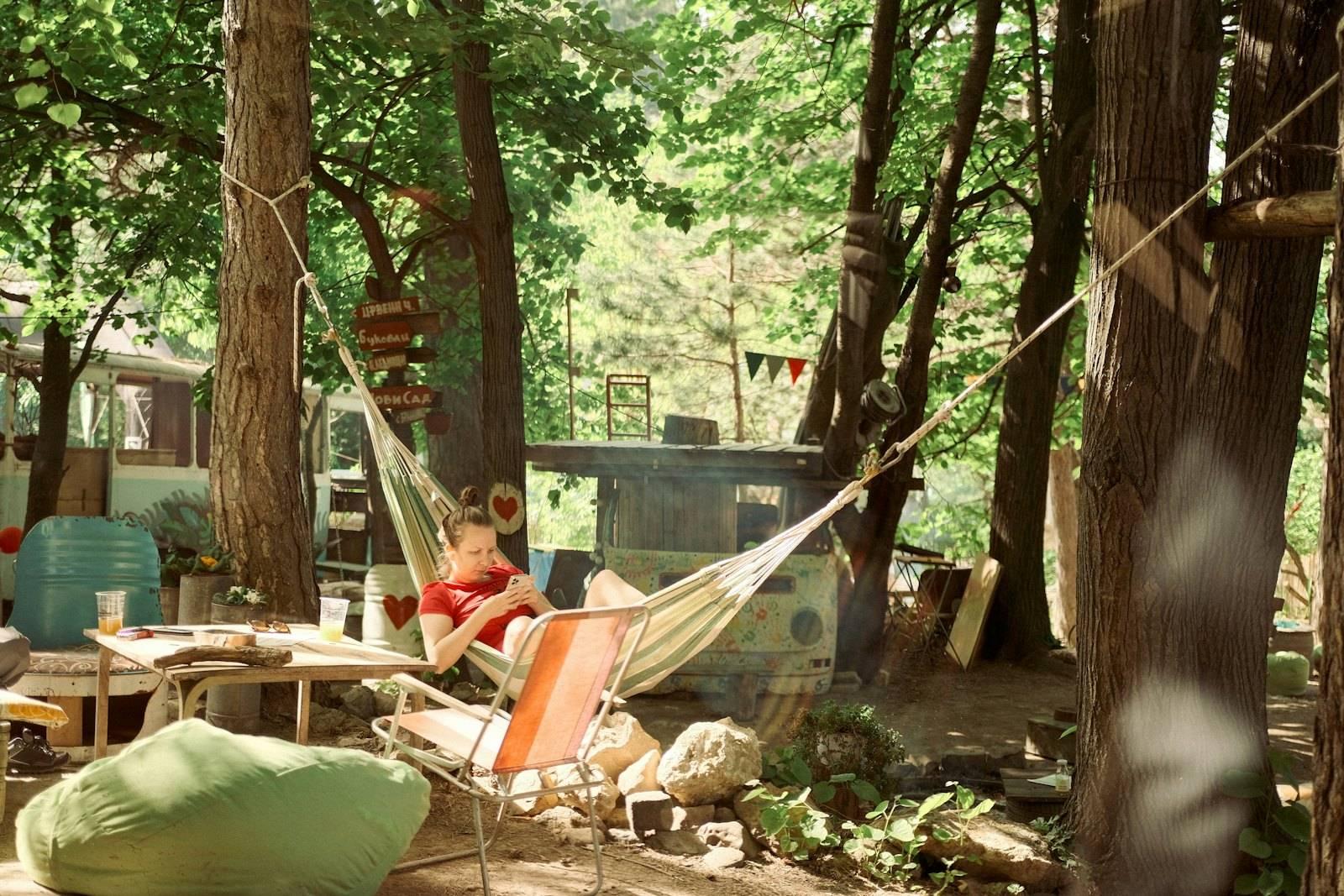
Hammocking is low risk when you follow a few rules, and a few more keep the places we hang open to hammocks.
Protect yourself
- Inspect the trees. Living, healthy trees at least 6 inches across. Look up for dead limbs (rangers call them widow makers).
- Hang low. Keep the bottom of the hammock about 18 inches off the ground. A fall from there is a laugh. A fall from 6 feet is not.
- Check your gear. Look for frayed straps, worn stitching or cracked carabiners before every hang. Use climbing-rated or load-rated hardware, not keychain clips.
- Respect the rating. Stay under the stated weight capacity, and do not stack hammocks without gear built for it.
- Mind the weather. Do not hang in a lightning storm or high wind under tall trees.
Protect the trees
- Use straps at least 1 inch wide. Many parks require it.
- Never use rope, wire or anything that cuts into bark.
- Do not hang from saplings, dead trees, signs, fences or railings.
- Move your hang spot around on multi-day stays so one pair of trees does not take all the wear.
Follow local rules
Rules vary a lot. Some parks only allow hammocks inside campsites, some ban attaching anything to trees, and some popular urban parks prohibit hammocks entirely. Check our Can I Hang Here? pages and confirm with the land manager.
Leave no trace
Pack out what you pack in, keep 200 feet from water where possible and leave the spot like nobody was there.
Keep learning
Ready to hang?
Find a hammock-friendly spot near you.