Can You Hammock Camp on the Pacific Crest Trail?
Where trees run out between Mexico and Canada, how hangers handle the gaps, and the Sierra food storage rules to know first.
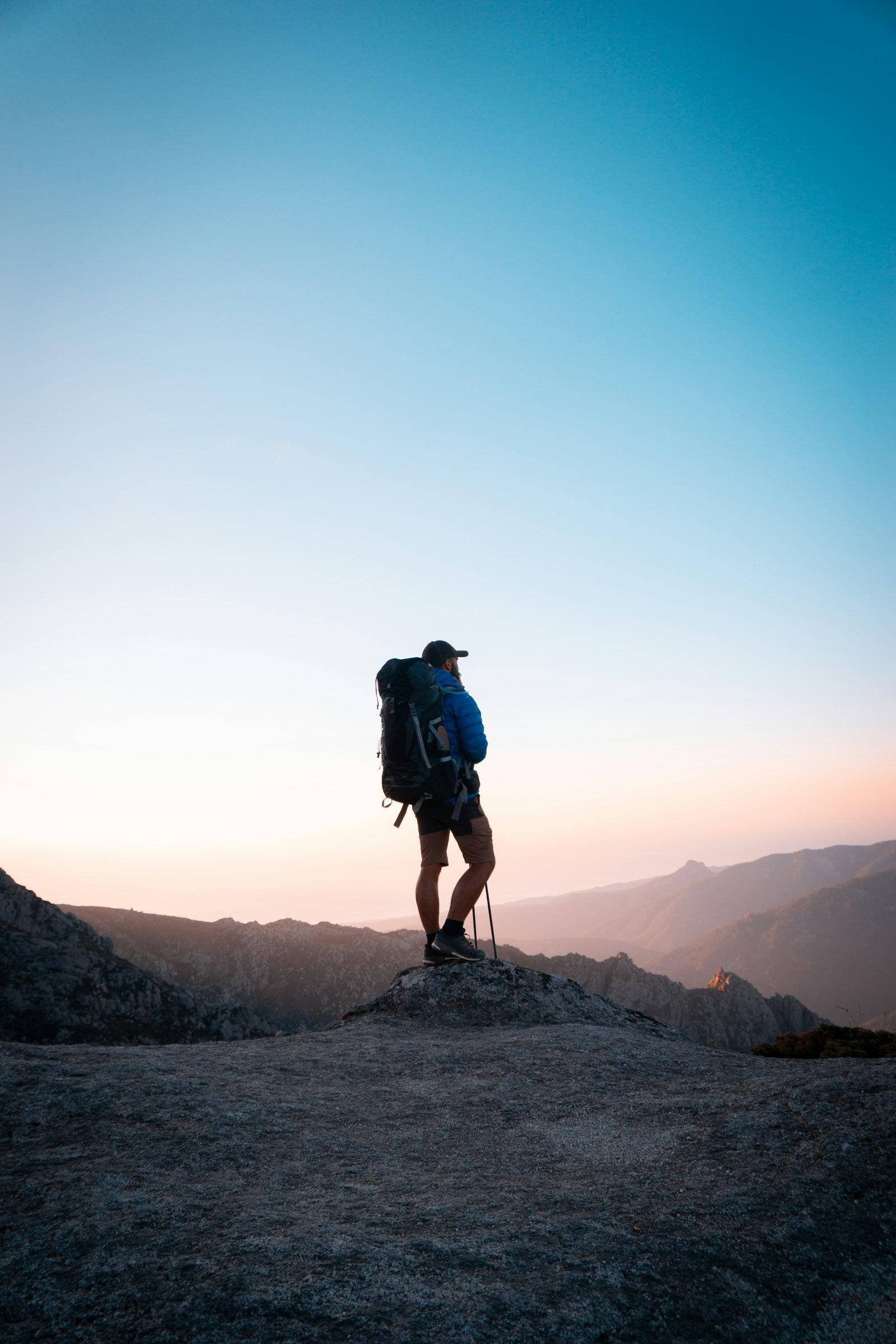
Yes, you can hammock camp on the Pacific Crest Trail, but not every night. The southern California desert and the high Sierra above treeline have long stretches with no usable trees, while Oregon and Washington are mostly forest. Most hikers who hang plan a ground backup for treeless nights, or carry a tent early and switch to a hammock farther north.
Can you hammock camp on the PCT? The honest answer
The PCT runs from the Mexican border to Canada through desert, high alpine terrain and dense forest. A hammock thrives in one of those and struggles in the other two. Hikers who have hung the whole trail describe a pattern: going to the ground a few times in the desert, and sometimes hiking extra miles in the Sierra to reach trees for the night.
So the real question is not "can you" but "how will you handle the nights without trees." Answer that before you leave and a hammock can work well.
Section by section: where trees are easy and where they are not
| Region | Trees for hanging | What to expect |
|---|---|---|
| Southern California desert | Scarce in many stretches | Long open sections of scrub and chaparral, with pockets of pine on the higher mountains. Plan ground nights. |
| High Sierra | Good below treeline, none above it | Hang in forested valleys and below passes. Time your days so you camp low. |
| Northern California | Mostly good | Long forested stretches, with some open, exposed ridges. |
| Oregon | Very good | Much of the trail is forest. Easy hanging most nights. |
| Washington | Very good, but wet | Dense forest. Bring a full-coverage tarp for rain. |
Trail conditions vary year to year with fire damage and snow, and burned forest is a real hazard for hangers. Dead, fire-killed trees can drop limbs or fall without warning. Never hang from them.
The PCT desert section with a hammock
This is where hangers have to get creative. Options people use:
- Ground mode. Pitch your tarp low with trekking poles, lay down a groundsheet and pad, and lie on or in the hammock body with the bug net over you. It works like a basic bivy. Practice this at home, because it is a different setup.
- Carry a light tent for the desert. Some hikers start with a tent and switch to a hammock later. Resupply points make gear swaps possible.
- Cowboy camp. On dry, clear nights some hikers sleep on a pad in the open. You still need a plan for wind and the odd storm.
Desert temperatures swing hard. Hot days can be followed by near freezing nights at elevation, so whichever option you choose, bring enough insulation for cold nights. If you go to the ground, your underquilt can be used as a top layer, but you will need a pad underneath.
The Sierra: trees, passes and food storage
Below treeline the Sierra has plenty of good hangs. The challenge is the high passes. Plan to cross a pass and drop to the trees before evening, rather than camping high.
Food storage rules are strict here, and they change by land agency. In Yosemite, food and scented items must go in an approved bear-resistant container or a food locker, and the park says "Hanging food is illegal throughout Yosemite." See Yosemite's food storage rules. Other parks and forests along the trail set their own rules, so check each one. Our guide to hammock camping and bears explains why the hammock itself is not the safety issue and the food is.
Dogs are another Sierra catch. Yosemite does not allow pets on trails or in wilderness, even if carried. See the Yosemite pets page and our post on hammock camping with a dog.
Hammock vs tent for a PCT thru-hike
| Factor | Hammock | Tent |
|---|---|---|
| Desert | Needs a ground plan | Works anywhere |
| Sierra above treeline | Not usable | Works anywhere |
| Oregon and Washington | Comfortable, easy sites | Fine, but sites are often rooty |
| Weight | Similar, more if you carry a ground backup | Similar |
| Flexibility | Limited by trees | Highest |
For a full thru-hike, a tent is simpler. A hammock makes the most sense if you are section hiking Oregon and Washington, or if you know you sleep poorly on the ground and are willing to plan around the gaps. Our hammock vs tent guide covers the general tradeoffs, and hammock vs bivy helps if you are weighing a ground backup.
How to practice ground mode before you go
If you plan to hang on the PCT, ground mode is not optional. Practice it before the trip:
- Pitch the tarp with two trekking poles as an A-frame, the same shape you use over a hammock, but low.
- Stake the sides close to the ground on the windward side so blowing sand and wind stay out.
- Lay a groundsheet under the tarp. A thin sheet of polycryo or a cut piece of window film is common.
- Add a pad. Your underquilt does nothing on the ground because your weight crushes it, so a pad is the insulation that counts.
- Use the hammock body as a bivy with the bug net zipped, or just as a ground cloth.
Try it in the backyard on a windy evening. If it takes you more than 15 minutes, practice again.
Also test how you get from ground mode back to hanging. On the trail you may sleep on the ground one night and hang the next, so pack the groundsheet and pad where you can reach them without unpacking everything. A setup that switches easily is what makes a hammock workable on a trail this varied.
Gear tips for hanging on the PCT
- Long straps. Sierra and Pacific Northwest trees can be big. Straps around 10 feet each, like the Kammok Python 10, give more room to work.
- A tarp that pitches on the ground. A rectangle or hex tarp with enough guy points doubles as a ground shelter with trekking poles. A small asymmetric tarp does not.
- Insulation that works both ways. If you expect ground nights, carry a pad you can use inside the hammock and on the ground.
- Leave No Trace. Use straps at least 1 inch wide on healthy trees at least 6 inches across, and camp 200 feet from water where possible, per the Leave No Trace hammock guide.
Not sure yet? You do not need to thru-hike to find out. A weekend in a forested stretch of the Cascades or northern California is enough to learn whether a hammock suits you. Pages like Yosemite National Park and Joshua Tree on our site show how different landscapes rate for hanging, and why the desert is hard.
Your next step
Whatever you decide, practice ground mode before you leave and carry a tarp big enough to use both ways. Use the trip planner to map a forested section, and build your kit with the hammock camping gear list.
Frequently asked questions
Can you hammock camp on the PCT?+
Yes, but not every night. The southern California desert and the high Sierra above treeline have long stretches without usable trees, while Oregon and Washington are mostly forest. Most hikers who hang plan a ground backup, such as pitching the tarp low with trekking poles over a pad, or carry a tent early and switch later.
Is a hammock or tent better for the Pacific Crest Trail?+
For a full thru-hike, a tent is simpler because it works in the desert and above treeline. A hammock is a strong choice for section hikes in Oregon, Washington and forested northern California, or for hikers who sleep poorly on the ground and are willing to plan treeless nights.
How do you hammock camp in the PCT desert section?+
Most hangers go to the ground. They pitch the tarp low with trekking poles, lay a groundsheet and pad, and sleep under the bug net like a bivy. Others carry a light tent for the desert and swap gear at a resupply point. Practice ground mode at home before the trip.
Can you hang food on the PCT in the Sierra?+
Not everywhere. Yosemite requires an approved bear-resistant container or food locker and says hanging food is illegal throughout the park. Other parks and forests along the trail set their own rules, so check each land agency before you go and plan to carry a bear canister where required.
Find a hammock-friendly spot near you.