Hammock Camping Gear List: The Complete Checklist
Every piece of a hammock sleep system, what it weighs, when you can skip it, and a printable checklist for the night before.
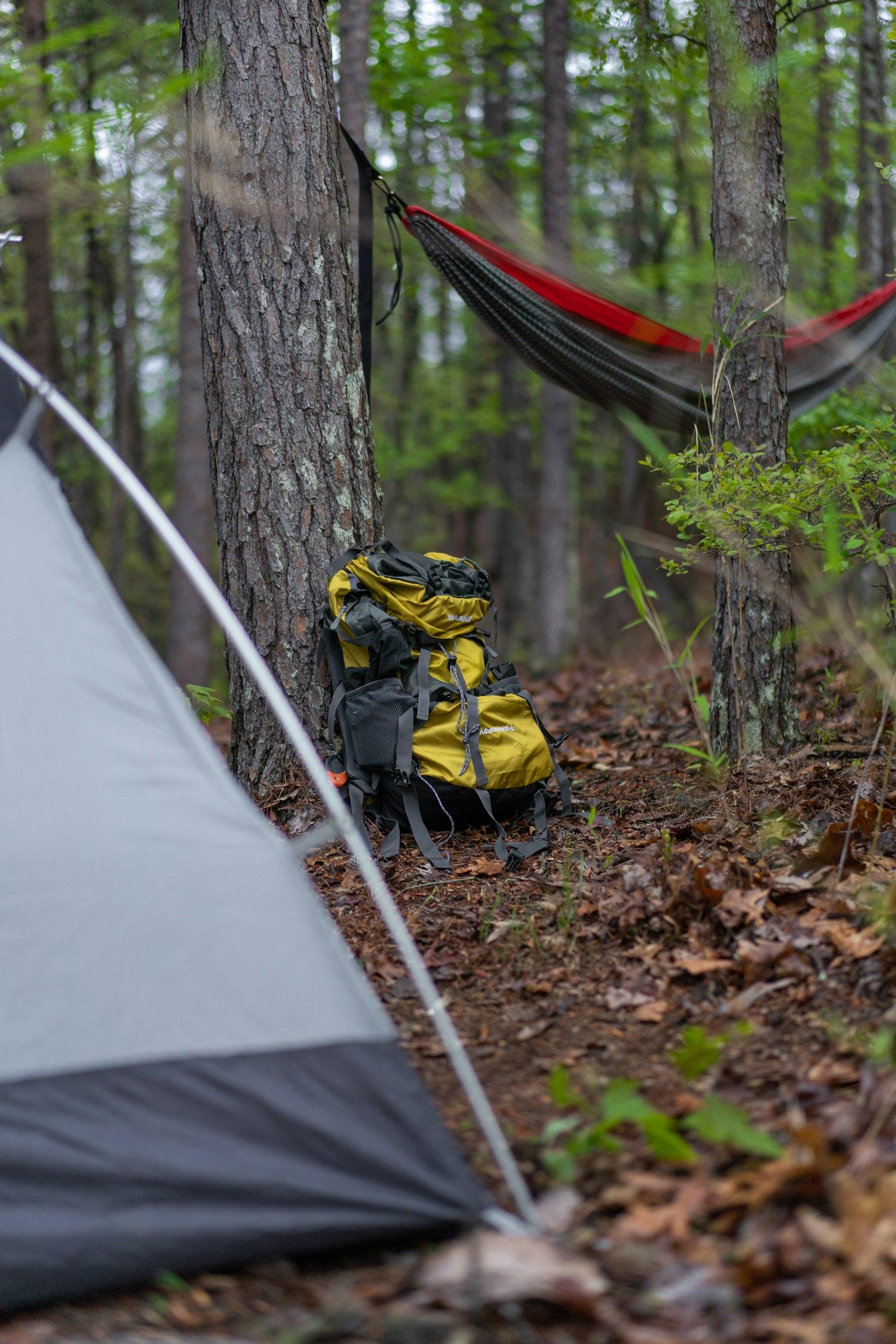
A complete hammock camping gear list has nine core pieces: a 10 to 11 foot hammock, tree straps at least 1 inch wide, carabiners or another suspension link, a structural ridgeline, a bug net, a rain tarp with guylines and stakes, an underquilt or pad, a top quilt or sleeping bag, and a pillow. Everything else depends on the season and the trip.
The hammock sleep system, from tree to quilt
Think of it in layers. Each one solves one problem.
| Layer | What it does | Typical weight | Can you skip it? |
|---|---|---|---|
| Tree straps | Protect bark, connect to trees | 4 to 10 oz a pair | No |
| Suspension link | Carabiner, buckle or whoopie sling | 1 to 3 oz | Built in on some hammocks |
| Hammock | The bed | 10 to 50 oz, more with a built-in net | No |
| Structural ridgeline | Sets the same sag every time | 1 to 2 oz | Yes, but you will miss it |
| Bug net | Keeps out mosquitoes and ticks | Built in, or about 15 oz separate | In cold or bug-free months |
| Tarp | Rain, wind and dew | About 16 to 24 oz | On a clear, dry backyard night |
| Underquilt or pad | Warmth underneath | About 20 to 32 oz for an underquilt | Only on warm nights, often above 70 F |
| Top quilt or bag | Warmth on top | Depends on rating and fill | Only on hot nights |
| Pillow | Neck support | A few ounces | Use a stuff sack of clothes |
Those ranges come from common products, including the ones in our gear database. A full system usually lands close to a one-person backpacking tent and pad.
What goes in a hammock camping setup, piece by piece
Here is each piece, what to look for and the mistakes to skip.
1. The hammock
For sleeping, get one 10 to 11 feet (3 to 3.4 m) long. Shorter hammocks make it hard to lie on the diagonal, which is how you sleep flat. A hammock that includes an integrated bug net is the easiest start. Our list of best camping hammocks and best all-in-one hammock kits are good places to compare. If you are choosing between styles, see gathered end vs bridge hammock.
2. Straps and suspension
Straps should be at least 1 inch (2.5 cm) wide. That is the Leave No Trace standard to protect bark, and some parks require it. Most straps run 9 to 10 feet each, which covers most tree spacing. Compare options on best hammock tree straps, and read how long should hammock straps be if your trees are often far apart.
3. A structural ridgeline
A ridgeline is a fixed cord from one end of the hammock to the other. It gives you the same comfortable sag at any tree distance and a place to hang a headlamp or glasses. Many camping hammocks have one built in. If yours does not, it is the cheapest comfort upgrade you can buy. Here is what a hammock ridgeline is in more detail.
4. Bug net
From late spring to early fall, you want one. Integrated nets are lighter and faster. Separate nets like the ENO Guardian (15 oz) add protection to a hammock you already own. If you camp mostly in cool months, you can leave it home.
5. Tarp
A tarp is your roof. It should extend past each end of the hammock by at least 6 inches (15 cm). A hex tarp covers most three-season trips. A rectangle handles wind-driven rain and winter. See best hammock rain tarps, and our guide to hammock camping in the rain for setup.
6. Insulation underneath
This is the piece first-timers skip and regret. Air moving under a hammock pulls heat away even on mild nights. An underquilt is the most comfortable fix. A closed-cell or inflatable pad inside the hammock is the budget fix. Pick a rating below the coldest night you expect. More in how to stay warm in a hammock.
7. Insulation on top
A top quilt is easier than a mummy bag because you do not have to zip in while swinging. A sleeping bag you already own works. Just unzip it and use it like a blanket.
Hammock camping essentials beyond the sleep system
These are not hammock gear, but you will want them:
- Headlamp, clipped to the ridgeline
- Stuff sack or small bag on the ridgeline for phone, glasses and earplugs
- Tarp stakes and 4 to 6 guylines (some tarps include them)
- Snakeskins or a hammock sock for fast setup and pack-up
- Sit pad or small piece of foam for standing on at night
- Rain gear and a pack liner
- The usual camping kit: water treatment, stove, food storage, first aid, map
Hammock camping checklist for the night before
Lay everything out and tick it off:
- Hammock with ridgeline
- Two straps
- Two carabiners or other links
- Bug net (if not built in)
- Tarp, guylines and stakes
- Underquilt or sleeping pad
- Top quilt or sleeping bag
- Pillow or clothes bag
- Headlamp and spare batteries
- Drip line cord, a 12 inch (30 cm) piece for each end
- Trash bag pack liner
- A dry set of sleep clothes and socks
The best hammock camping setup for most beginners
A practical first setup: an 11 foot hammock with an integrated bug net and ridgeline, 1 inch straps, an 11 to 12 foot hex tarp, a synthetic or down underquilt rated around 30 to 40 F (about minus 1 to 4 C), and a quilt of the same rating. That covers spring through fall in most of the US. Add a warmer underquilt later if you start camping in winter.
How to save weight and money on your setup
You do not need to buy everything at once. A few ways to build a kit without overspending:
- Start with what you own. A sleeping bag unzipped as a quilt and a foam pad inside the hammock work fine from late spring to early fall.
- Buy the underquilt last, but buy it well. It is usually the most expensive piece. Wait until you know the temperatures you camp in, then buy one rated for them.
- Skip the bug net in cold months. Mosquitoes are not a problem on frosty nights.
- Upgrade the tarp before the hammock. A bigger tarp changes how wet nights feel more than a lighter hammock does.
- Weigh everything. A kitchen scale and a simple spreadsheet show where the weight really is. It is often the insulation and the tarp, not the hammock.
Your next step
Put your shortlist into the gear compare tool to line up weights and prices. Then practice the whole setup at home using our how to hammock camp guide before your first trip.
Frequently asked questions
What do I need for hammock camping?+
You need a 10 to 11 foot hammock, tree straps at least 1 inch wide, carabiners or another suspension link, a ridgeline, a bug net in warm months, a rain tarp with guylines and stakes, an underquilt or sleeping pad, a top quilt or sleeping bag, and a pillow. Add a headlamp and the usual camping kit.
What is the best hammock sleeping system?+
For most people, the best sleeping system is an underquilt underneath and a top quilt on top, both rated below the coldest night you expect. The underquilt stays lofted because your weight does not crush it. A sleeping pad plus an unzipped sleeping bag works too and costs less, but pads slide around.
How much does a full hammock camping setup weigh?+
A complete three-season setup usually weighs about the same as a one-person backpacking tent plus a sleeping pad and bag. Lighter systems with down quilts and thin fabrics come in under that. Heavier synthetic quilts and big tarps add more. Check each item's weight in our gear compare tool.
Do you need a sleeping pad in a hammock?+
You need some insulation underneath, but it does not have to be a pad. An underquilt does the same job outside the hammock and is more comfortable. A pad is the lower cost option and works well in double-layer hammocks with a pad sleeve that keeps it from sliding.
Do you need a tarp for hammock camping?+
Bring one on every overnight trip. Even if the forecast is clear, a tarp blocks dew, wind and surprise showers, and it makes a dry place to store gear. On a dry backyard night you can skip it. Choose one that reaches at least 6 inches past each end of the hammock.
Find a hammock-friendly spot near you.