Is Hammock Camping Safe Around Bears?
A tent wall does not stop a bear and neither does a hammock. Here is what actually keeps hangers safe in bear country.
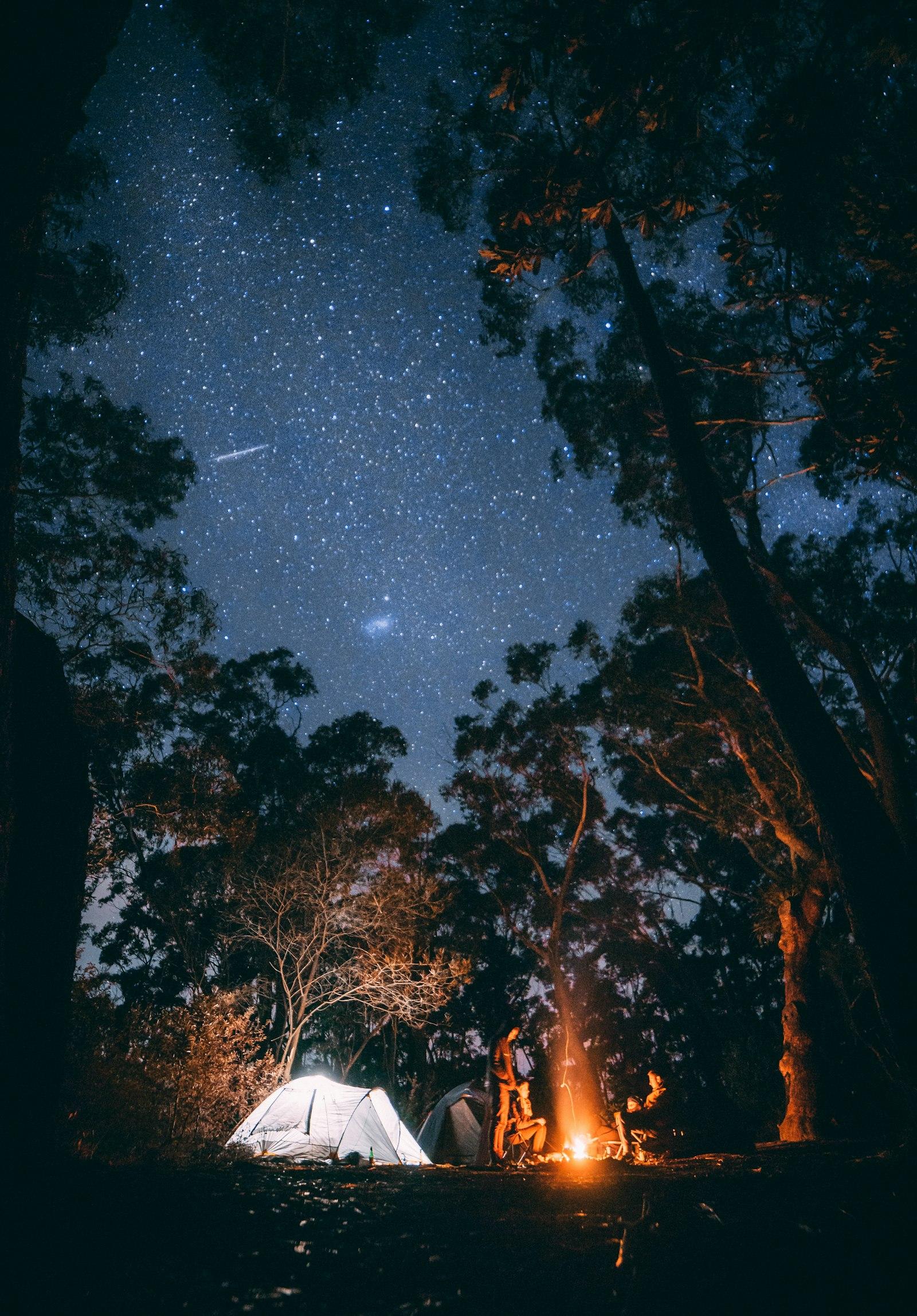
Hammock camping in bear country is about as safe as tent camping. Neither a tent wall nor hammock fabric stops a bear, so your shelter is not what protects you. Food storage is. Keep food and scented items out of your hammock and away from where you sleep, follow the local rule for canisters, lockers or hangs, and cook in one spot and sleep in another.
Is hammock camping safe from bears?
The worry makes sense. In a hammock you are off the ground, visible and wrapped in thin fabric. But a tent is also thin fabric. The National Park Service treats bear safety in camp as a food problem: bears that get human food come back for more, and that is what creates dangerous bears. Its guidance focuses on keeping bears away from your food, not on what you sleep in. See the NPS bear safety page.
So the honest answer: a hammock does not make you safer or less safe in itself. What you do with your food and scented gear makes the difference.
Food storage: the rules that matter most
The NPS food storage guidance applies to hangers the same way it applies to everyone:
- Do not keep food in your tent or backpack. In a hammock, that means no snacks in the hammock or hanging from your ridgeline.
- Treat anything scented as food, including toiletries, sunscreen, bug repellent, trash and stove fuel.
- Some parks require bear-resistant containers or lockers. Others allow hanging food from a tree.
- Place canisters on level ground at least 100 feet from your campsite, away from cliffs and water.
Read the full guidance on the NPS food storage page. Rules differ by park. Yosemite, for example, requires an approved canister or locker and says hanging food is illegal throughout the park. Great Smoky Mountains requires all odorous items to go on the bear cable system at each backcountry site.
Bear hang for hammock campers
Where hanging is allowed, hammock campers have an advantage: you already carry cord and you know how to pick trees. A few points:
- Hang it away from your hammock. Pick a separate tree, downwind of your camp if you can.
- Go high and out. Kenai Fjords National Park, for example, asks for food to be at least 10 feet above the ground and 4 feet out from the trunk. See Kenai Fjords food storage.
- Use a dedicated cord and bag. Do not use your hammock suspension.
- Hang it before dark. Throwing a line in the dark goes badly.
- Use the cables or boxes where a site provides them. On the Appalachian Trail, about half the shelters have food storage systems such as bear boxes, cables or poles.
Does hanging higher keep you safer from bears?
No. A hammock 6 feet off the ground is not out of reach of a bear, and a high hang makes you more likely to get hurt falling out. Hang at a normal height, about 18 inches (45 cm) at the lowest point when you are in it.
The same goes for other ideas that sound protective but are not. Sleeping in a hammock instead of a tent does not hide your scent, and a closed bug net does not keep a bear out. What keeps bears away from your camp is the same for every camper: no food, trash or scented items where you sleep, a clean cooking area and storage that meets the local rule.
The good news for hangers: a hammock camp is usually tidy by design. Your gear is off the ground, your sleep area is small, and it is easy to see if anything has been left out. Do a quick walk-around before bed, check pockets for wrappers, and put lip balm and toothpaste in the canister or bag with your food.
Set up camp in a triangle
A simple layout cuts the odds of a bear coming near where you sleep:
| Zone | What goes there | Placement |
|---|---|---|
| Sleep | Hammock, quilts, clothes you did not cook in | Upwind, away from the other two |
| Cook | Stove, pot, eating area | A good distance from your hammock |
| Store | Canister, locker or food hang | Away from both, at least 100 feet from camp for canisters per NPS |
Kenai Fjords also suggests not sleeping in the clothes you cooked in. In a hammock that is easy: keep a separate sleep layer in your stuff sack.
Black bears vs grizzly country
Black bears live across much of the US, including the Appalachians, the Ozarks, the Sierra and the Pacific Northwest. Grizzly and brown bears live in parts of the northern Rockies and Alaska. The NPS advice on encounters differs between them, so learn the difference before you go to grizzly country.
The NPS also notes that if a bear attacks you in your tent or stalks you and then attacks, you should fight back rather than play dead. These attacks are rare. The same logic applies in a hammock: it is a shelter, and a bear that comes into it is not acting defensively.
Bear spray and gear for bear country
Bear spray is used defensively to stop an aggressive bear. The NPS says to carry an EPA-approved product made for bears, and notes it is not a repellent you spray on gear. Check whether the park you visit recommends or allows it. At night, keep it where you can reach it from the hammock, such as clipped inside the bug net or on the ridgeline, not in your pack.
A simple bear country kit for hangers:
- An approved bear canister where required, or a food bag and a long dedicated cord where hanging is allowed
- Bear spray where recommended
- A separate sleep layer
- A headlamp on the ridgeline
Other animals at night
Bears get the attention, but raccoons, mice and other small animals are far more likely to visit a camp. They are after food too, so the same rules protect you. Keep nothing edible in the hammock, and if you hear rustling, a headlamp and a calm voice usually send them off. Mice in particular will chew through a pack or a stuff sack to reach a forgotten snack, so empty your pockets before bed. A clean camp is a quiet camp. For more on night nerves, read our solo hammock camping tips.
Your next step
Check the park's own rules before your trip. Our pages for Great Smoky Mountains, Yellowstone and Glacier summarize what each park allows, and Can I Hang Here? covers more spots. For trail-specific rules, see hammock camping on the Appalachian Trail, and for site choice in general, the hammock safety and Leave No Trace guide.
Frequently asked questions
Is hammock camping safe from bears?+
About as safe as tent camping. Neither a tent nor a hammock physically stops a bear, so safety comes from food storage. Keep food and scented items out of your hammock, follow the local rule for canisters, lockers or hangs, and cook away from where you sleep. Keeping bears away from human food is the core of NPS bear guidance.
Where do you put food when hammock camping in bear country?+
Never in the hammock or on the ridgeline. Use the method the park requires: an approved bear canister placed at least 100 feet from camp, a food locker or cable, or a food hang where allowed. Where hanging is legal, hang it at least 10 feet up and 4 feet out from the trunk.
Are you safe in a hammock from animals?+
A hammock is not a barrier, and neither is a tent, but most animals avoid people. They come to camps for food. Store all food and scented items properly and away from where you sleep, keep nothing edible in the hammock, and use a headlamp and calm voice if something comes close.
Should you sleep with bear spray in a hammock?+
If the park recommends or allows bear spray, keep it within reach of your hammock at night, such as clipped inside the bug net or on the ridgeline. Use an EPA-approved bear spray, not human pepper spray, and remember it is a defensive tool, not a repellent for gear.
Find a hammock-friendly spot near you.