Hammock vs Bed: Which Gives You Better Sleep?
Comfort, sleep science, space, cost and couples, compared honestly so you can decide which one belongs in your room.
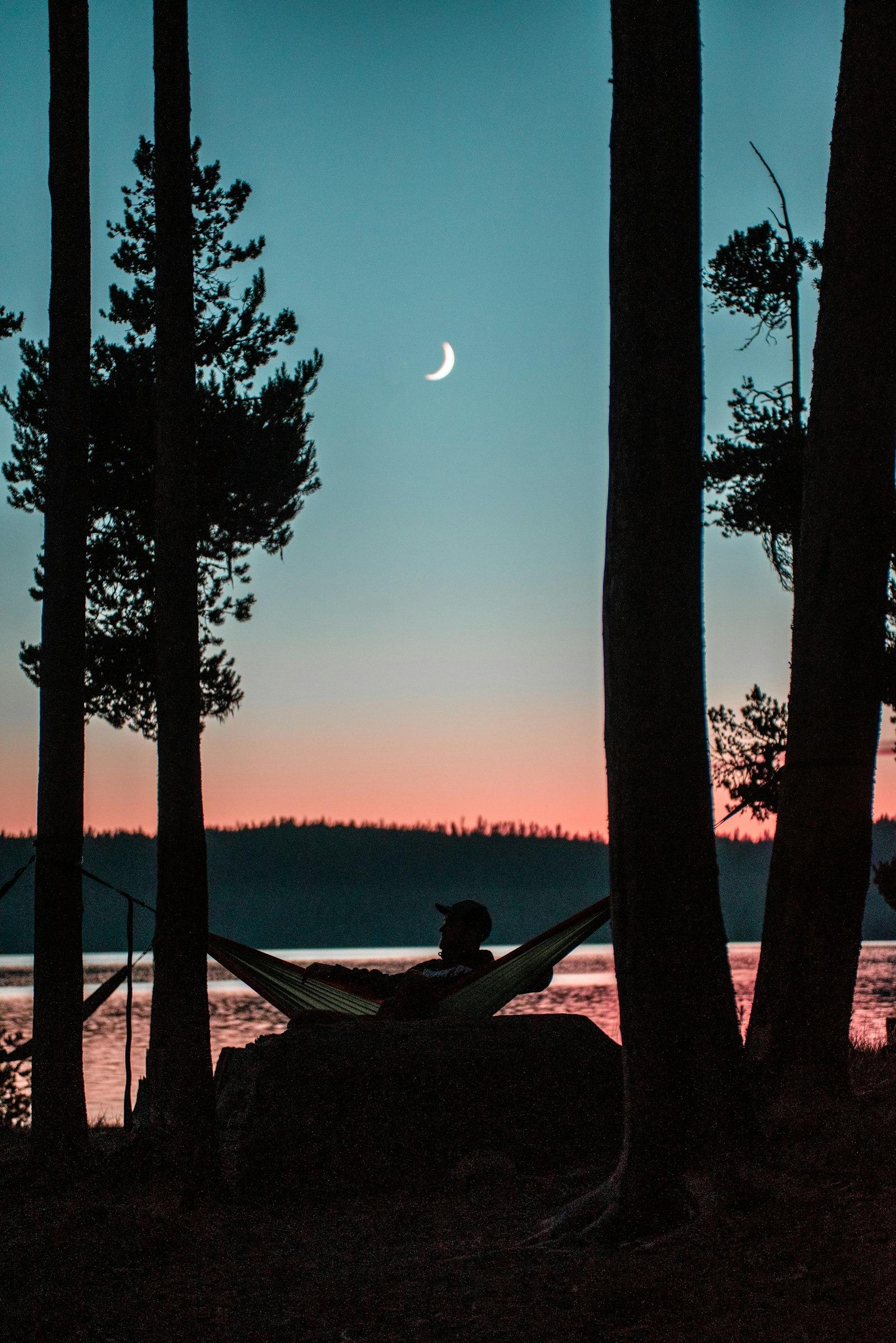
Neither is better for everyone. A hammock removes pressure points, takes up almost no floor space and its gentle rocking may help you fall asleep faster, based on small lab studies of rocking beds. A bed is better for stomach sleepers, couples and anyone who changes position a lot. Most back sleepers and many side sleepers can sleep well in either.
Is sleeping in a hammock better than a bed?
It depends on how you sleep. If you sleep on your back, hate waking up with sore hips and shoulders, and sleep alone, a hammock can feel better than a mattress. If you sleep on your stomach, share a bed or roll around all night, a mattress will usually win.
The setup matters more than the category. A cheap, short hammock hung tight will lose to almost any mattress. A long, wide hammock hung at 30 degrees with a diagonal lay is a different experience.
Hammock vs mattress: the full comparison
| Factor | Hammock | Bed |
|---|---|---|
| Pressure points | Spread across the fabric | Concentrated at hips and shoulders |
| Back sleeping | Close to flat on the diagonal | Flat |
| Side sleeping | Possible in a wide hammock | Easy |
| Stomach sleeping | Hard in a gathered-end hammock | Easy |
| Sharing with a partner | Difficult | Easy |
| Falling asleep | Rocking may help, per small studies | No motion |
| Floor space | Can be unhooked during the day | Fixed |
| Temperature | Cooler, needs insulation when cold | Warmer |
| Anchors | Needs framing, trees or a stand | None |
Are hammocks more comfortable than beds?
Many hammock owners say yes, mostly because nothing presses into one spot. A mattress pushes back hardest wherever you are heaviest. A good hammock spreads your weight across the whole bed of fabric, so there is no hip bone digging in at 3 a.m.
Comfort also depends on the details: length, width, sag and whether something warm is underneath you. Our guide on how to sleep in a hammock covers the diagonal lay that makes the difference.
What the sleep research says about rocking
The best evidence for hammocks is really evidence for gentle motion. In a 2011 study at the University of Geneva, people napped on a bed that rocked slowly and fell asleep faster than on a still bed (Bayer et al., Current Biology). A 2019 follow-up had 18 young adults sleep a full night on a rocking bed. They reached deep sleep faster, spent longer in it, woke less and did slightly better on a memory test in the morning (Perrault et al., Current Biology).
Two caveats. These were lab beds rocking at a steady 0.25 Hz (one full swing every 4 seconds), not hammocks. And a hammock stops swinging a few minutes after you stop moving it. So the research suggests the sway can help you drift off, not that a hammock will improve your sleep all night. More in why are hammocks so relaxing.
Why some people say hammocks are better than beds
Threads like "I hate beds and the space they take up" come up often among hammock fans. The reasons people give:
- Space. Unhook it in the morning and the room is a room again.
- No mattress to replace. A hammock and suspension cost far less than a quality mattress.
- Easy to move. It packs into a bag, so moving apartments is simpler.
- Cooler in summer. Air moves around you instead of being trapped under you.
- The cradle feeling. Many people find it calming to be held on all sides.
What a hammock sleep setup costs
A hammock you could sleep in nightly does not have to be expensive. Using list prices from our gear pages: an ENO DoubleNest is $74.95, a pair of tree straps runs about $30 to $40, and a structural ridgeline is $24.95. Add an underquilt for cool rooms (the ENO Vulcan lists at $179.95) and you are still at roughly $310 to $320 for a full setup. If you have no anchors, a steel stand like the Vivere universal stand lists at $109.99. Prices change, so check the maker's page before you buy.
How long each one lasts
A mattress is a big purchase you replace every several years. With a hammock, the part that wears out is usually the suspension, which is the cheapest piece to replace. Fabric lasts longer indoors, out of the sun, than it does on trail.
Where a bed still wins
- Couples. Two adults in one hammock slide together. Two hammocks side by side work better.
- Stomach sleepers. A gathered-end hammock does not let you lie face down without arching your back.
- Cold rooms. You need an underquilt or a pad, or you will feel the chill under you.
- Restless sleepers. Rolling over is possible but takes more effort.
- Anyone with a medical condition where a doctor has recommended a specific sleep surface.
- Late-night trips out of bed. Getting out of a deep sag half asleep is slower than swinging your legs off a mattress, and it is the moment people are most likely to wobble.
There is also the setup itself. A bed sits on the floor and needs nothing else. A hammock needs two anchors that can each hold about your body weight at a 30 degree hang, which indoors means framing or a stand. If you rent and cannot drill into joists, factor in a stand before you decide.
Hammock or bed: how to decide
If you sleep on your back
You are the best candidate. A diagonal lay in a long, wide hammock gets you close to flat, and the lack of pressure points is the main thing back sleepers notice.
If you sleep on your side
It works with a wide hammock and some practice, or with a bridge or lay-flat design. Read can side sleepers sleep in a hammock before you buy.
If you sleep on your stomach
Keep the bed. Use the hammock for reading and naps on your back.
If you share a bed
Try two hammocks side by side, or keep the bed and treat the hammock as a nap and reading spot.
A two-week trial
- Nap in a hammock for a week of afternoons.
- Try two or three full nights on a weekend.
- If you wake up rested, move to a week of nights.
- Keep the bed for now. Many people end up using both.
For long-term setups, read can you sleep in a hammock every night. If you wake up sore, check is sleeping in a hammock bad for your back first. If you have no trees or beams, see how to hang a hammock without trees and the best hammocks with stands.
Next step
If you are ready to try one at home, start with how to choose your first hammock and pick a long, wide model.
Frequently asked questions
Is it better to sleep in a hammock or a bed?+
Neither is better for everyone. A hammock spreads your weight and removes pressure points, and its rocking may help you fall asleep. A bed is better for stomach sleepers, couples and restless sleepers. Back sleepers who sleep alone are the people most likely to prefer a hammock.
Are hammocks more comfortable than mattresses?+
For many back sleepers, yes. A well-hung hammock supports you along the whole fabric, so there is no hard push at the hips and shoulders. That only holds with a long, wide hammock, a 30 degree hang and a diagonal lay. A short, tight hammock is less comfortable than most mattresses.
Does sleeping in a hammock improve sleep?+
Small lab studies found that gentle rocking helped people fall asleep faster and, in one 2019 study, sleep more deeply. Those used rocking beds, not hammocks, and a hammock stops swinging soon after you do. The sway may help you drift off. Whether it improves your whole night depends on your setup.
Can couples sleep in a hammock instead of a bed?+
It is hard for two adults to sleep a full night in one hammock, because both of you roll toward the lowest point. Couples who prefer hammocks usually hang two side by side or keep a bed for one partner. A double hammock works better for lounging together than for overnight sleep.
Find a hammock-friendly spot near you.