How to Choose Your First Hammock
Single or double, nylon or cotton, straps included or not. Everything we wish someone told us before buying.
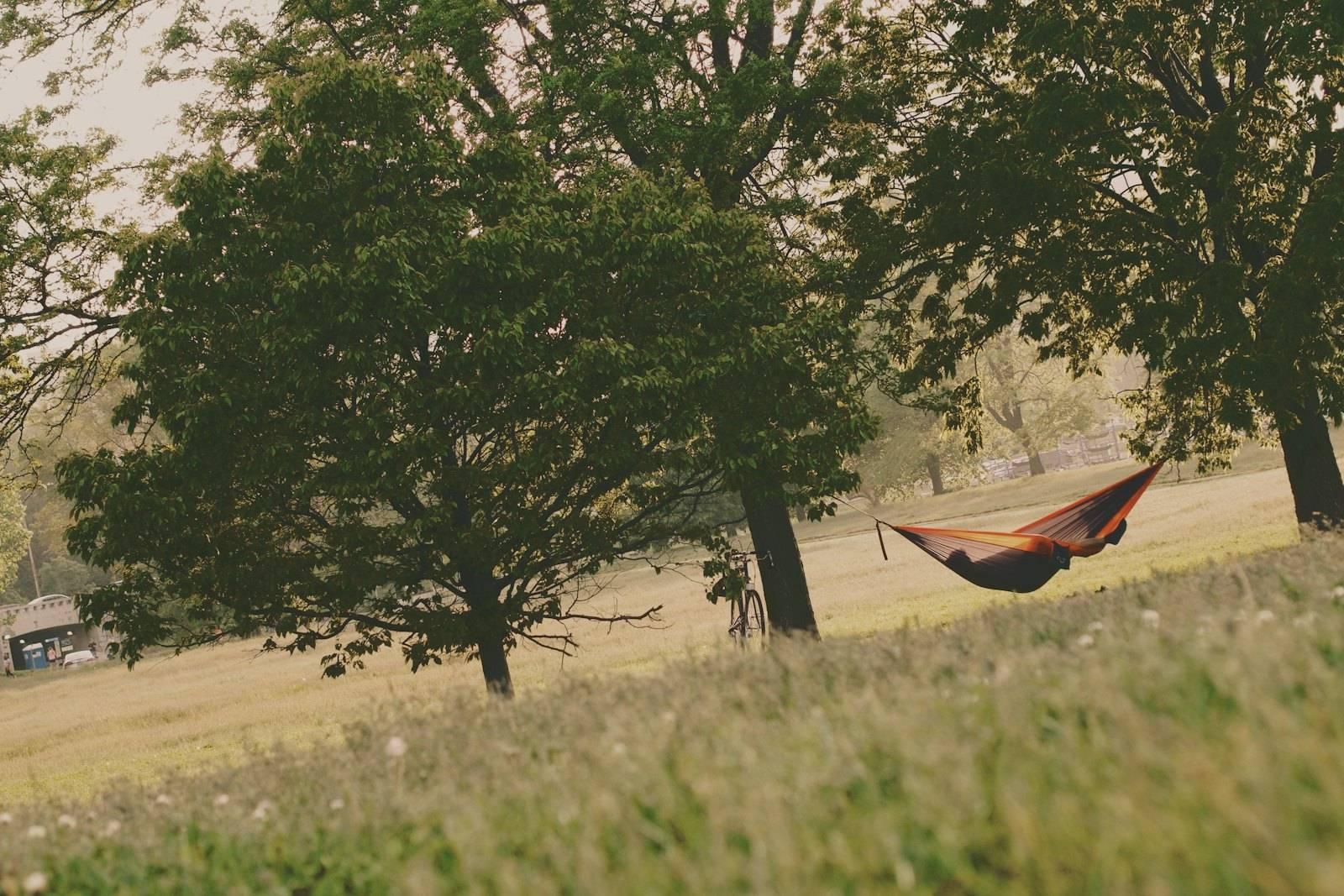
There are hundreds of hammocks on the market and most of them look alike in photos. Here is how to cut through it.
Start with where you will hang
- Backyard or patio: cotton rope or quilted hammocks with spreader bars look great and feel airy, but they are heavy and tip more easily. A stand means you do not need trees at all.
- Beach, park, travel: a parachute nylon hammock packs to the size of a grapefruit and sets up in two minutes.
- Camping overnight: you want a long hammock (10 to 11 feet), a bug net and a plan for rain and cold. An all-in-one kit makes the first trip easier.
Single vs. double
A "double" is wider, not always for two people. Many solo hangers prefer a double because the extra fabric lets you lie flatter and wrap up like a cocoon. Two adults in one hammock works for a sunset sit, but it is rarely comfortable for sleeping.
Length matters more than width
Length is the hidden spec. Taller people need a longer hammock to lie flat on the diagonal. As a rough guide:
- Under 5'10": 9 to 10 feet is fine.
- 5'10" to 6'3": look for 10.5 to 11 feet.
- Over 6'3": 11 feet or more, and check the weight capacity.
Check what is in the box
Many popular hammocks do not include straps. Budget for them. Look for straps at least 1 inch wide with multiple loops so you can adjust without knots.
Weight capacity
Pick a hammock rated well above your weight. Capacity ratings assume a proper hang, not jumping in.
Our shortcut
If you just want one hammock that works almost everywhere: a 10 to 11 foot double-width nylon hammock with wide straps included. Then add a bug net and tarp when you start camping. Browse our best hammocks or compare a few side by side.
Find a hammock-friendly spot near you.