Are Rope Hammocks Comfortable? Rope vs Fabric Hammocks Compared
Rope is airy and classic, fabric is cozy and stable. How each feels after an hour, and which one survives your weather.
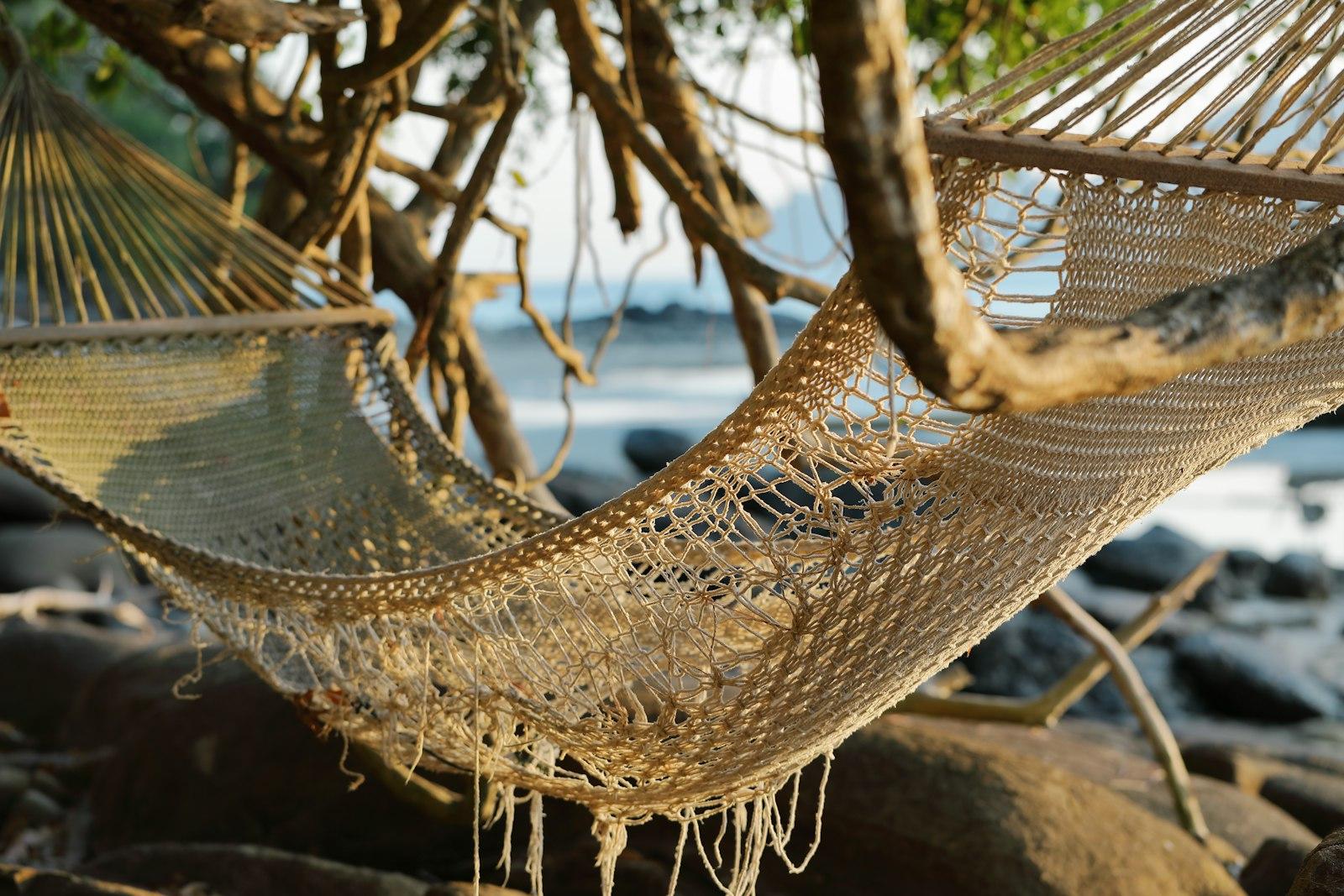
Rope hammocks are comfortable for lounging in warm weather: air flows through the open weave, so you stay cool. For long naps, most people find fabric more comfortable. Rope can press into shoulders and hips, and the spreader bars on most rope hammocks make them tippier. Fabric hammocks, quilted or nylon, spread your weight more evenly and feel more stable.
That is the short version. The longer version depends on which kind of fabric you compare against, because "fabric hammock" covers two different designs.
Three hammocks people mean when they compare
- Rope hammock: a woven net of cotton or polyester rope held flat by wooden spreader bars at each end. The classic East Coast porch hammock.
- Quilted hammock: two layers of outdoor fabric with padding sewn in between, also with spreader bars. Think of a padded mattress hung from two points.
- Gathered-end fabric hammock: a single sheet of nylon or cotton bunched at each end with no bars. This is the camping and beach style, like the ENO DoubleNest.
Rope and quilted hammocks behave alike because of the bars. Gathered-end hammocks behave differently because the fabric wraps around you. For more on the bar question, see spreader bar hammock pros and cons.
Are rope hammocks comfortable?
For 20 minutes with a drink and a book, yes. The open weave keeps air moving across your back on a hot day, and the flat bed is easy to sit on sideways.
For a two-hour nap, the trade-offs show up:
- Pressure points. Rope is thinner than fabric, so your weight rests on fewer, narrower lines. Shoulder blades and hips feel it first.
- Imprints. Bare legs come away with a diamond pattern.
- Tipping. Spreader bars hold the bed flat and open, which also raises your center of gravity. Rope hammocks roll over more easily than gathered-end hammocks. The Pawleys Island Large Original Cotton Rope Hammock lists this as a watchout.
A pillow and a light blanket under you fix most of the comfort complaints. Getting in from the center and keeping your weight low fixes most of the tipping.
There is one more thing rope does well: it never feels clammy. On a humid afternoon, a nylon hammock can feel warm against your back after an hour. Rope stays cool because there is almost nothing touching you. If you live somewhere with long, sticky summers, that alone can tip the decision.
Rope hammock vs quilted: which one wins?
| Rope | Quilted | Gathered-end nylon | |
|---|---|---|---|
| Feel | Airy, firm lines | Padded, mattress-like | Wraps and cradles |
| Heat | Coolest | Warmest | Medium |
| Stability | Tippy | Tippy | Stable when hung with sag |
| Rain | Drains fast, cotton can rot | Padding soaks and dries slowly | Dries fast |
| Portability | Heavy, bars do not pack | Heavy, bulky | Packs to fist size |
| Needs | Long span or stand | Long span or stand | Trees, posts or stand |
Quilted hammocks feel softer on day one, especially for anyone bony. The cost is heat and drying time. After a summer storm, the padding can stay damp long after rope has dripped dry.
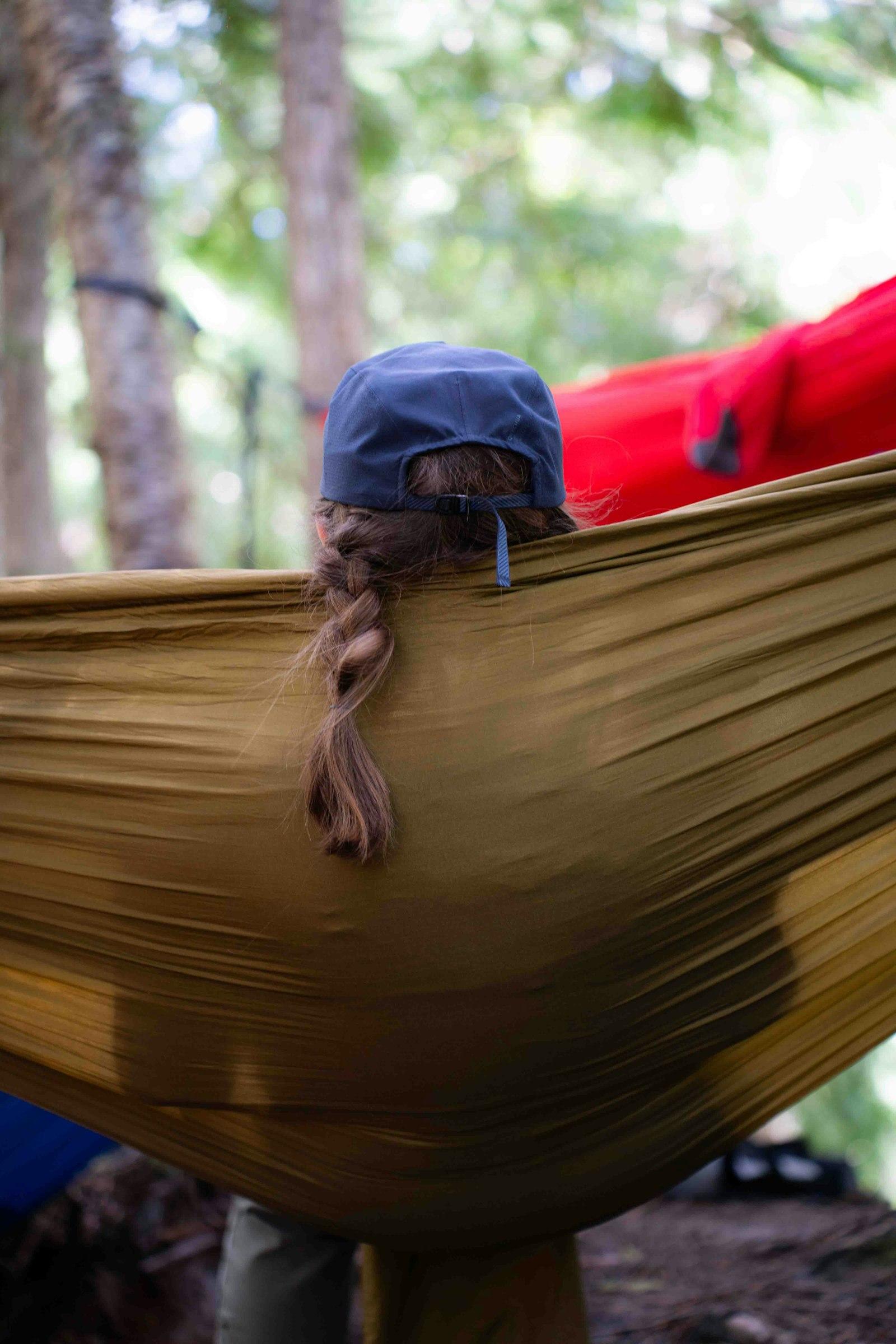
If you nap more than you lounge, a gathered-end hammock usually beats both. You lie on the diagonal, the fabric supports your whole back and there are no bars to flip you. Our guide to the best hammock material compares nylon, polyester and cotton in detail.
Cotton rope vs polyester rope
This matters more than people expect.
- Cotton rope is softer against skin and has the classic look. It also fades, stretches and mildews if it stays wet.
- Polyester rope (often sold as soft-spun rope) holds its color and shape better and handles rain and sun better. It feels a little firmer.
Cotton rope also stretches more over its first few weeks. Expect to raise the hang points a little after the first month so the bed does not sit lower than you want. Polyester holds its length better.
If the hammock will live outside all season, polyester is the safer pick. If it hangs on a covered porch and comes in after storms, cotton is fine.
Can you leave a rope hammock outside?
You can leave it out for a dry stretch, but not all year. Cotton rope needs to come inside for winter and wet seasons, which is also what the Pawleys Island listing says. Constant moisture weakens the fibers and invites mildew, and that is a safety problem, not just a looks problem.
Can you leave a rope hammock in the rain? A single shower will not ruin it. Let it dry fully in the sun before you fold or store it, and do not leave it bunched up wet. Polyester rope tolerates rain better, but UV still breaks it down over years.
Easy habits that add seasons:
- Unhook it and hang it in a garage or shed during long rainy spells.
- Twist and tie the strings at each end before storing, so they do not tangle. Our guide on how to untangle a rope hammock helps if it is already too late.
- Inspect the end strings and the rope where it meets the bars each spring. Replace the hammock if strands are fraying or brittle.
More on weather in can you leave a hammock outside.
Best rope hammock setups
Rope hammocks with spreader bars are long. The Pawleys Island Large is 13 ft overall with a 55 in wide bed and a 450 lb capacity, according to its spec sheet. You need either two solid anchors at the right distance or a stand built for that length.
- Between trees or posts: use wide straps around trees, or heavy eye bolts in sound posts set at the distance the maker lists.
- On a stand: check that the stand lists a hammock length range that includes yours. Spreader bar hammocks need a stand made for them. The best hammocks with a stand page lists options.
- Height: hang it lower than you think. A rope hammock that tips from knee height is a laugh. From waist height it is a bruise.
Spreader bar hammocks also do not like a deep sag the way gathered-end hammocks do. Hang them with a flatter line so the bed stays level, and keep the bars roughly at the same height so you do not slide toward one end.
So which should you buy?
- Hot climate, short lounges, classic look: rope, ideally polyester.
- Cushy feel, covered porch, cool evenings: quilted.
- Long naps, camping, travel or kids climbing in and out: gathered-end fabric.
Browse the best backyard hammocks to see examples of each, or put two side by side in Compare.
Next step
Measure your space first. Note the distance between trees or posts, then use the hang guide to see whether a rope hammock fits or a stand makes more sense.
Frequently asked questions
Are rope hammocks comfortable?+
Rope hammocks are comfortable for short lounges in warm weather because air flows through the weave and keeps you cool. For long naps, many people find the rope presses into shoulders and hips. A pillow and a light blanket under you help, and a gathered-end fabric hammock is usually more comfortable for sleeping.
Is a rope or quilted hammock better?+
A quilted hammock feels softer and warmer, like a padded mattress, while a rope hammock is airier and drains faster after rain. Both use spreader bars, so both can tip. Choose rope for hot, sunny spots and quilted for covered porches and cooler evenings where it can stay dry.
Can you leave a rope hammock outside?+
Not year round. Cotton rope should come inside for winter and wet seasons because moisture weakens the fibers and causes mildew. Polyester rope handles weather better, but sun still breaks it down over time. Let any rope hammock dry fully after rain before you store it.
Why do rope hammocks flip over?+
Spreader bars hold the bed flat and open, which raises your center of gravity above the hanging points. Shift your weight to one side and the whole bed rolls. Sit in the center first, keep your weight low, hang it close to the ground and avoid leaning out over the edge.
What is the best rope for a rope hammock?+
Polyester rope is the better choice for a hammock that lives outside, because it resists fading, stretching and mildew. Cotton rope feels softer against skin and has the traditional look, but it needs to come indoors after storms and for the winter to last.
Find a hammock-friendly spot near you.