Solo Hammock Camping: How to Feel Safe Your First Night Alone
The nerves are normal. Here is what makes a first solo night in a hammock feel calm instead of spooky.
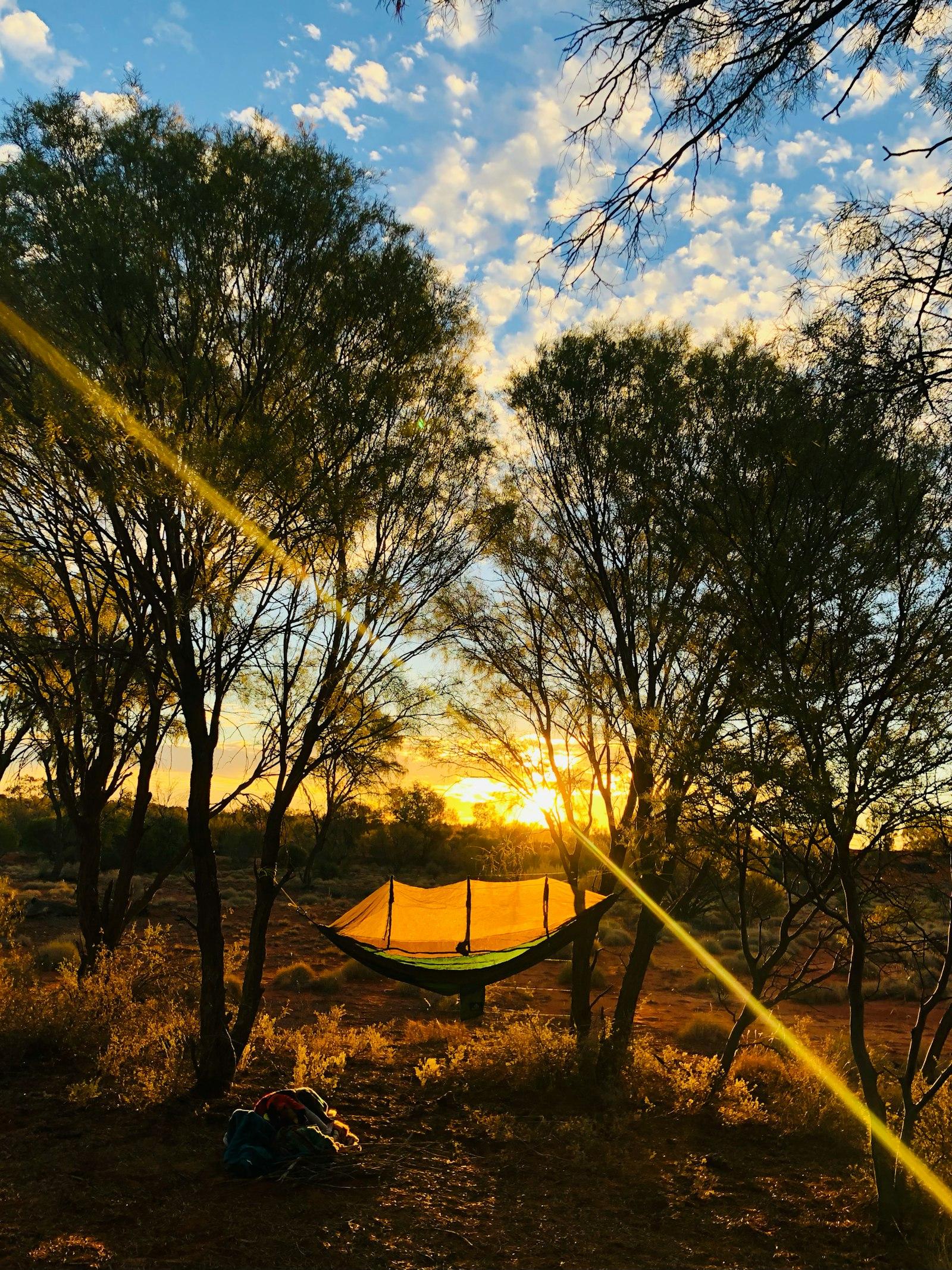
To feel safe on your first solo hammock night, leave a written trip plan with someone at home, pick a site close to your car or a campground, set up before dark, store food away from where you sleep, and learn which night sounds are normal. Feeling spooked the first time is common. It fades fast once you know what you are hearing.
Why the first solo night feels so loud
Hammock forums are full of posts from people about to spend their first night alone, and many mention the same things: twigs snapping, rustling in leaves, coyotes in the distance. In a tent you have a wall between you and the noise. In a hammock you hear everything, and you can see out.
That openness is part of the appeal, but it takes a night or two to get used to. Most of what you hear is small: mice, raccoons, deer, owls, branches settling as the air cools. Knowing that ahead of time does a lot.
Before you go: a trip plan
The National Park Service advises leaving your trip plan with someone you trust who is not going with you, including where you will be and when you expect to return. It also notes that hiking with a companion is safer, so going alone means preparing a little more. See the NPS hiking safety article.
A simple plan includes:
- Where you will park and the trailhead or campground
- The site or area where you plan to hang
- When you expect to be back, and when they should call for help if they have not heard from you
- A description of your car and your gear colors
Check cell coverage before you go. If there is none, a satellite messenger is worth considering for longer solo trips.
When you get home, tell your contact you are back. It sounds obvious, but a trip plan only works if the person holding it knows when the trip is over. Agree on a check-in time and stick to it, even when the trip goes well.
Pick an easy first spot
Your first solo night does not need to be remote. Good choices:
- A car campground. Other people nearby, a bathroom, and your car a few steps away.
- A backyard or friend's property. A full dress rehearsal with zero risk.
- A short hike-in site. Under a mile from the car, on a trail you already know.
Use Find a Hang or the hang map to find spots, and check Can I Hang Here? for the rules.
Build up in small steps
Confidence comes from repetition, not from forcing a hard first trip. A simple progression many solo campers follow:
- One night in the backyard, alone, with the full setup.
- One night at a busy campground, where you can hear other people.
- One night at a quiet campground or walk-in site close to the car.
- A short backpacking trip on a trail you know well, with a trip plan at home.
- Longer and more remote trips once the routine feels automatic.
Each step teaches you something about your gear and your nerves. If one step feels rough, repeat it before moving on. There is no rush.
A small trick: on each trip, write down one thing that bothered you and one thing that went well. After three or four nights you will have a list that is far more useful than general advice, because it is about your gear, your habits and the places you camp.
Set up in daylight
Arrive with at least an hour of light left. Setting up in the dark is when small problems turn into stress. Use the time to:
- Look up and check for dead limbs before you hang.
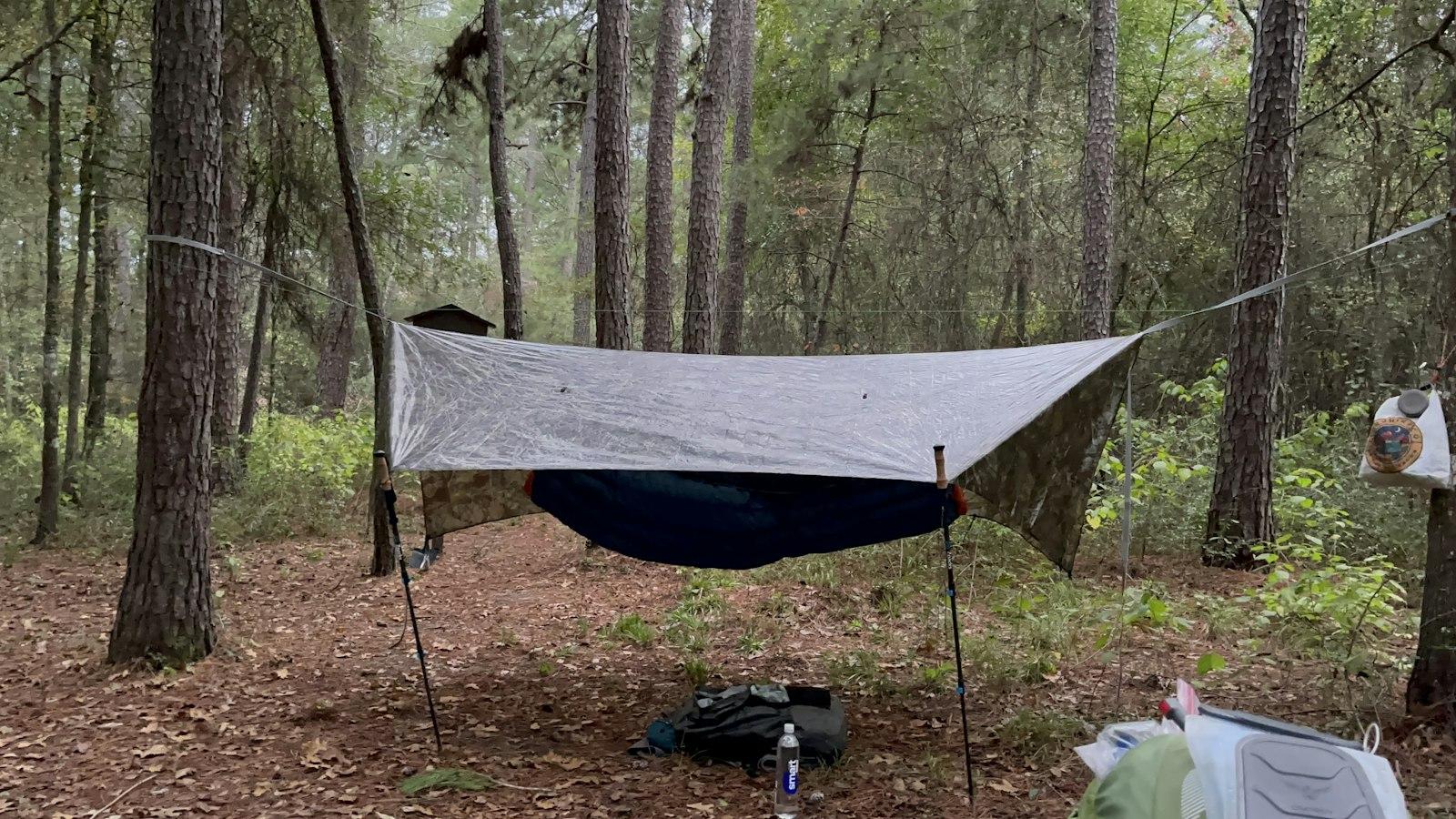
- Hang the hammock about 18 inches (45 cm) off the ground so getting in and out is easy and quiet.
- Put your headlamp on the ridgeline and your shoes where you can reach them.
- Walk around the site once so the shapes are familiar when it gets dark.
If you are unsure about the setup itself, the how to hammock camp guide covers it step by step.
Food storage is your best safety habit
Animals come to camps for food. Keep yours away from your hammock. The National Park Service says not to store food in your tent or backpack and to treat anything scented, including toiletries, as food. Follow the local rule, whether that is a bear canister, a locker or a food hang. See the NPS food storage page and our post on hammock camping and bears.
Cook and eat a short walk from where you sleep, and do not keep snacks in the hammock.
What to do when you hear something at night
Hammocks let you react quietly. A few habits that help:
- Turn on your headlamp and look. Most of the time you will see nothing, or a pair of small eyes. Light and a calm voice usually send small animals on their way.
- Talk out loud. Saying "hey, I'm here" sounds silly but it works on deer and raccoons and calms you down too.
- Keep earplugs nearby. On a breezy night they help you sleep through creaks and leaves.
- Know your exit. Sleep with the bug net zipper on the side you get out of, and your shoes under the hammock.
Coyotes calling in the distance are common in much of the US and do not mean they are coming toward you. If something really feels wrong, it is fine to pack up and drive home. Your next night will be easier.
Solo hammock camping tips for a comfortable night
A warm, comfortable sleeper is a calm sleeper. Most bad solo nights are really cold nights. Bring insulation underneath (an underquilt or pad) rated below the forecast low, and a top quilt. If you are new to that, read how to stay warm in a hammock and avoid the hammock camping mistakes that wreck first nights.
A few small comforts help too: a book, a hot drink before bed, a podcast downloaded for the evening. A hammock is a good place to slow down, which is half the reason to go alone.
Pack this short solo checklist:
- Trip plan sent to someone at home
- Headlamp plus a spare light
- Charged phone and a power bank
- Food storage that meets local rules
- Insulation rated below the forecast low
- First aid kit and a whistle
- Earplugs
Your next step
Pick a first spot within an easy walk of your car using Find a Hang. If you want company before going solo, a group hang from the events calendar is a friendly way to learn from experienced hangers.
Frequently asked questions
Is it safe to hammock camp alone?+
It can be, with preparation. Leave a trip plan with someone at home, start at a campground or near your car, set up in daylight, store food away from your hammock, and look up for dead branches before hanging. The National Park Service notes hiking with a companion is safer, so solo trips deserve extra planning.
How do you not get scared camping alone?+
Learn what normal night sounds are, such as small animals, owls and branches settling. Pick an easy first site near your car, set up before dark, keep a headlamp on your ridgeline, and wear earplugs on windy nights. Being warm and comfortable also helps you relax. The nerves usually fade after a night or two.
Are you safe in a hammock from animals?+
A hammock is not a barrier, but neither is a tent. Most animals avoid people and come to camps for food. Store food and scented items away from where you sleep, follow local rules for canisters or hangs, and keep no snacks in the hammock. A light and a calm voice usually send small animals away.
What should I bring for solo hammock camping?+
Bring your full hammock system with insulation rated below the forecast low, a headlamp and spare light, a charged phone and power bank, food storage that meets local rules, a first aid kit, a whistle and earplugs. Leave a written trip plan with someone at home before you go.
Find a hammock-friendly spot near you.