Why Were Hammocks Used on Ships?
Rolling seas, crowded decks and no room for beds. How the sailor's hammock worked, and what it still teaches anyone who hangs one.
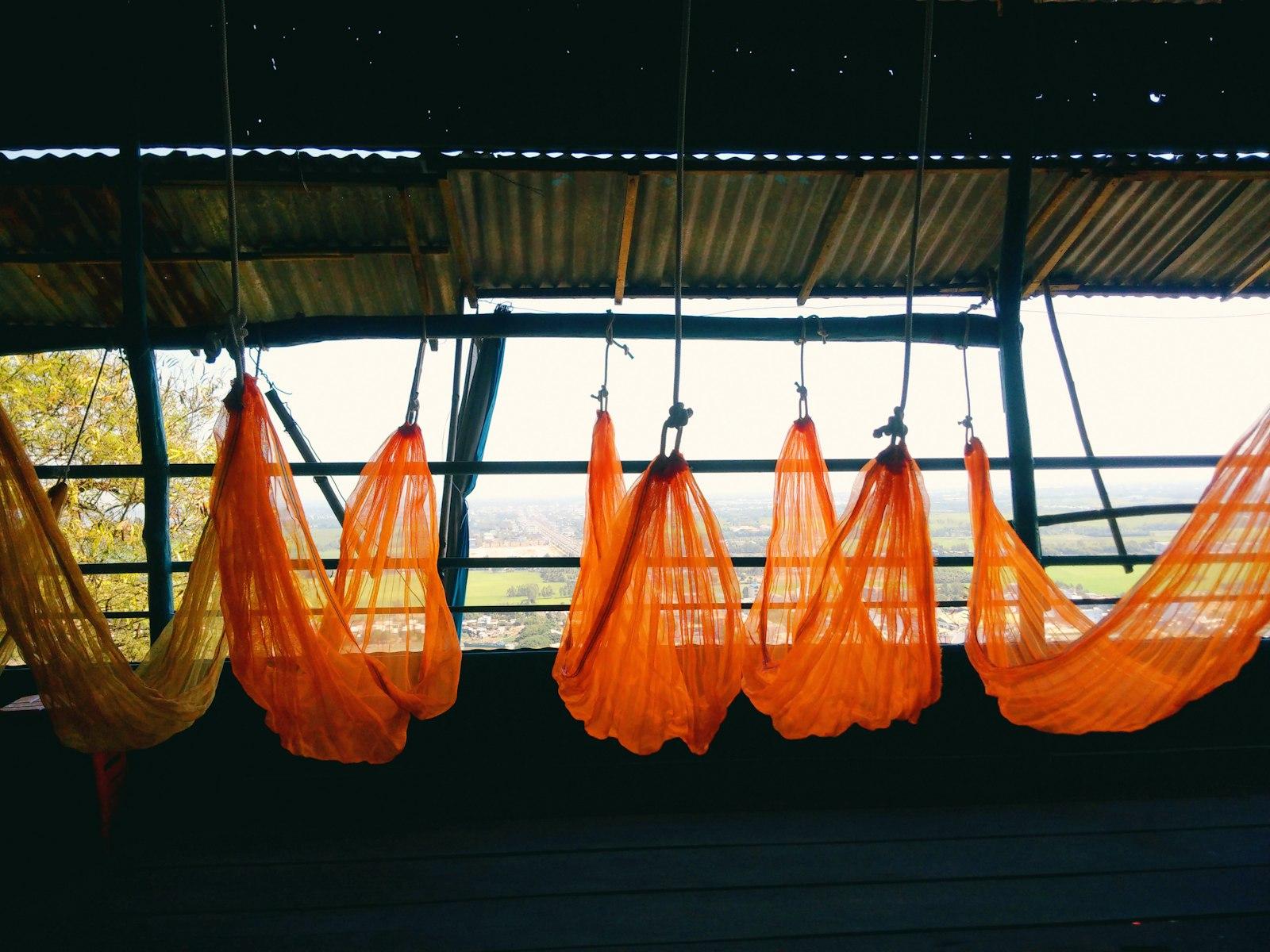
Hammocks were used on ships because they swing with the roll of the sea, so a sleeping sailor stays in bed instead of being thrown onto the deck. They also hang from overhead beams and can be taken down during the day, which freed space on crowded decks. The USS Constitution Museum says the ship's roughly 450 sailors slept in hammocks for exactly those reasons.
Why were hammocks used on ships?
A sailing warship was a floating village packed into a hull. Hundreds of people had to eat, work, fight and sleep on the same few decks. Fixed beds would have taken space the ship needed for guns, stores and people. The hammock solved several problems at once:
- It moves with the ship. A hammock hangs from two points and swings as the hull rolls. The sleeper stays centered while the ship tilts around them.
- It saves space. Hammocks hang in rows from the deck beams overhead. In the morning they come down and the deck is open again.
- It keeps you off the deck. Lower decks were damp and often wet. A hammock puts the sleeper above that.
- It is cheap and portable. A sailor's hammock was canvas and cord. It could be issued, carried and replaced easily.
- It works in shifts. Crews stood watches, so part of the crew was always on duty while others slept.
The USS Constitution Museum sums it up for the frigate it interprets: about 450 sailors in the early 1800s slept in hammocks on the berth deck, in shifts, because of the tight space below decks and the constant rolling of the ship.
When did sailors start using hammocks?
Europeans first saw hammocks in the Caribbean, where the Taíno and other Indigenous peoples slept in them. Columbus wrote about them in 1492 (we cover that in where hammocks come from). Sailors were quick to see the point.
The English navy was using them by the end of that century. A Language Log post from the University of Pennsylvania cites a 1597 Royal Navy mention of "hanging cabbons or beddes." From there the sailor's hammock became standard kit on warships for centuries. Our short history of the hammock puts that in the wider story.
How did sailors sleep in a hammock at sea?
Close together, and on a schedule. Rows of hammocks hung side by side from hooks in the beams, and because the whole row swayed together, neighbors did not knock into each other much. Watches meant that at any hour some hammocks were empty while their owners were on deck.
Sleep was not on demand. Herman Melville served on an American frigate and wrote about it in his 1850 novel *White-Jacket*. He describes hammocks being "piped down" from the nettings at night, and sailors who could not nap in them by day because the hammocks were stowed away. In one stretch of stormy weather, being allowed to lie down on the berth deck was treated as a rare privilege.
What happened to the hammocks during the day?
Each sailor lashed his hammock into a tight roll with his bedding inside, and the rolls were stowed in nettings along the ship's sides, as Melville describes. Then the decks were clear for work, drills and meals.
The Naval Historical Society of Australia adds the human side. A sailor folded in a mattress and two blankets before lashing it up, and over time added his own touches, like a wooden stretcher for the clews and a pillow. On a crowded messdeck it was also storage, a reading spot and the one bit of private space a sailor had.
What is a maritime hammock?
A maritime hammock, or navy hammock, is a flat rectangle of canvas with a row of small cords at each end, called clews, that gather into a ring for hanging. Compared with a modern camping hammock:
| Feature | Navy canvas hammock | Modern camping hammock |
|---|---|---|
| Fabric | Heavy canvas | Nylon or polyester, often 30D to 70D |
| Ends | Clews (many small cords) gathered to a ring | Gathered channel with a cord or continuous loop |
| Bedding | Mattress and blankets inside | Pad, underquilt or top quilt |
| Spreader | Sometimes a wooden stretcher at the clews | Optional spreader bar on some models |
| Daytime storage | Lashed into a roll and stowed | Stuffed into an attached sack |
| Hung from | Hooks in deck beams | Trees, posts or a stand |
The canvas navy hammock was built to last years of hard use, not to be carried on your back. That is the main reason modern hammocks feel so different in the hand.
When did navies stop using hammocks?
Gradually, through the 20th century. As ships changed and crews got smaller relative to the space available, fixed bunks took over. The Naval Historical Society of Australia notes that hammocks disappeared from messdecks and were replaced by bunks, and that many sailors who served in the war years counted the hammock among their most important possessions.
Sailor hammock claims we could not confirm
You will read a few colorful claims about navy hammocks online. Some may be true, but we could not find a solid primary source for them, so we are flagging them rather than repeating them as fact:
- That hammocks were chosen mainly to keep sailors away from rats.
- That a specific number of inches per sailor applied on every ship.
- That rolled hammocks were meant to work as armor or as life rafts.
If you are researching naval history in depth, museum collections and published naval histories are the place to check these details.
What sailors' hammocks still teach us
The navy figured out a lot of the basics that hammock campers relearn today:
- Sag matters. A ship's hammock hung with slack so it could swing and cradle the sleeper. A tight hammock is uncomfortable on land too. Aim for about a 30 degree hang angle, as explained in how to hang a hammock.
- The end hardware is the system. Clews spread the load into the fabric. Today that job is done by gathered ends and straps. Our guide to hammock suspension systems covers the modern options.
- Bedding goes inside or under. Sailors used a mattress. You can use a pad or an underquilt; see how to stay warm in a hammock.
- A stretcher changes the shape. The sailor's wooden stretcher is a cousin of the spreader bar. Read spreader bar hammock pros and cons before you buy one.
- Pack it the same way every time. A tidy, consistent pack-up means a fast, untangled setup next time.
And if you want to try hammock life at sea yourself, check the rules first. Cruise lines are not navies, and most have clear policies about what you can hang on a balcony. Our guide on bringing a hammock on a cruise goes through them.
Next step: if the navy story makes you want a hammock with real hang time, compare models side by side in the gear comparison tool.
Frequently asked questions
Why were hammocks used on ships?+
Hammocks swing with the roll of the ship, so sleepers stayed in bed instead of falling to the deck. They hung from overhead beams and were taken down by day, which freed deck space. They also kept sailors off damp decks and were cheap and easy to issue. The USS Constitution Museum cites tight space and constant rolling as the main reasons.
When did sailors start using hammocks?+
European sailors first saw hammocks in the Caribbean after 1492 and adopted them quickly. A 1597 Royal Navy reference describes hanging beds for crews, and canvas hammocks then stayed standard on warships for centuries. They were gradually replaced by fixed bunks during the 20th century as ship design changed.
What is a maritime hammock?+
A maritime or navy hammock is a flat rectangle of heavy canvas with a row of small cords, called clews, at each end that gather into a ring for hanging. Sailors put a thin mattress and blankets inside. During the day they lashed it into a tight roll and stowed it so the deck stayed clear.
Where did sailors put their hammocks during the day?+
Each sailor rolled his hammock tightly around his bedding, tied it with a lashing and stowed it in nettings along the ship's sides. Herman Melville describes hammocks being piped down from the nettings at night in his 1850 novel White-Jacket. Sailors generally could not nap in them during the day.

Find a hammock-friendly spot near you.