What Is a Hammock in Florida? The Hardwood Hammock Explained
In Florida a hammock is a forest, not a bed. How hardwood, tropical and xeric hammocks differ, and how to hang in one without harming it.
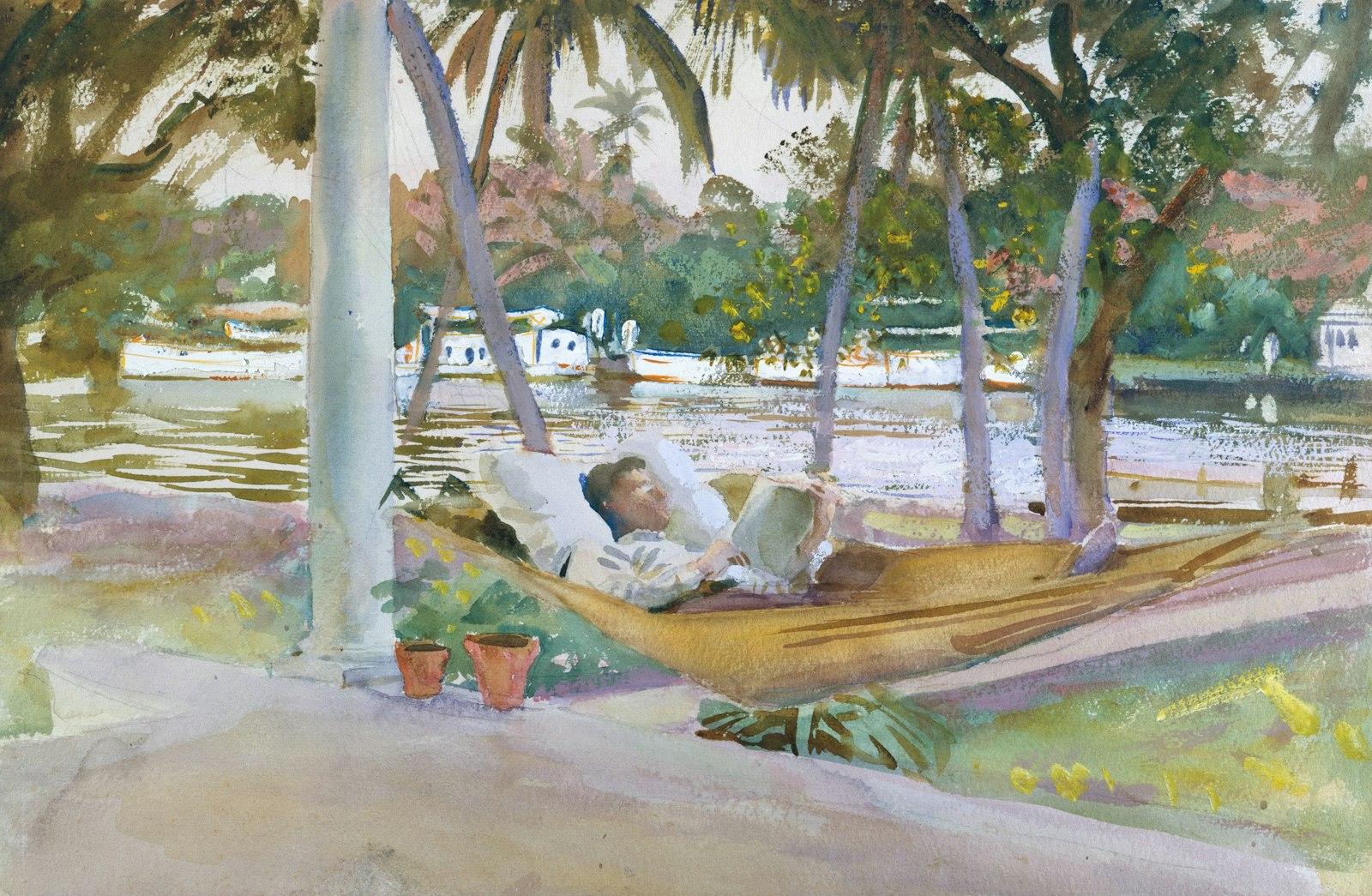
In Florida, a hammock is a dense stand of hardwood trees growing on ground slightly higher than the wetland, prairie or pineland around it. In the Everglades that rise can be only a few inches. The word is a landscape term, related to "hummock," and has nothing to do with hanging beds, though many hammocks do have great trees for one.
What is a hardwood hammock?
A hardwood hammock is an island of broad-leafed trees in a sea of sawgrass, marsh or pine. The National Park Service page on Everglades hardwood hammocks describes them as dense stands of broad-leafed trees that sit on a natural rise of only a few inches and occur within most other Everglades habitats.
A few details from the park service that explain why they look the way they do:
- Shape. In deeper sloughs and marshes, the seasonal flow of water shapes hammocks into teardrops when seen from above.
- Mixed trees. Tropical species such as mahogany, gumbo limbo and cocoplum grow next to temperate ones such as live oak, red maple and hackberry.
- Built-in firebreak. Acids from decaying plants dissolve the limestone around the tree island, forming a natural moat that helps protect the hammock from fire.
- Shade and moisture. Ferns and air plants thrive in the cool, damp air under the canopy.
Step from an open prairie into a hammock on a summer day and the temperature and light change fast. That shade is a big part of their appeal on a hot day.
What is a hammock ecosystem?
Ecologists use "hammock" for several different forest types in Florida. The Florida Natural Areas Inventory (FNAI) groups them under hardwood forested uplands. The three you will hear about most:
| Type | Where in Florida | Ground | Typical trees |
|---|---|---|---|
| Hardwood hammock (tree island) | Everglades and other wetlands | A rise of a few inches over limestone | Mahogany, gumbo limbo, live oak, red maple, hackberry |
| Rockland (tropical) hammock | South Florida and the Keys | Thin organic soil over limestone, often exposed | Gumbo limbo, pigeon plum, false tamarind, strangler fig |
| Xeric hammock | Mostly the central peninsula | Well-drained sand | Sand live oak, with Chapman's, turkey and laurel oaks |
All three are forests that stand out from what surrounds them. The difference is the ground underneath and the trees it supports.
What is a tropical hammock?
A tropical hammock is a hardwood forest made up mostly of West Indian tree species, at the northern edge of their range. FNAI calls the main type rockland hammock: a rich tropical hardwood forest on upland sites where limestone is very near the surface and often exposed. More than 120 native tree and shrub species can make up the canopy and shrub layers, and most of them reach the northern limit of their range in Florida.
Typical trees include gumbo limbo, false tamarind, pigeon plum, strangler fig, Jamaican dogwood, black ironwood, live oak and West Indies mahogany. FNAI also lists poisonwood, a relative of poison ivy. Learn to recognize it before you touch bark or wrap a strap in a South Florida hammock.
The interior of a mature rockland hammock can be open under a tall canopy. The edges are often a wall of shrubs, vines and young trees. FNAI notes that rockland hammocks in the Keys and on the mainland differ in their species mix.
What is a xeric hammock?
A xeric hammock is the dry version. FNAI describes xeric hammock as an evergreen forest on well-drained sandy soils, with a low, mostly closed canopy dominated by sand live oak. Saw palmetto is common underneath, and Spanish moss often hangs thick from the oaks.
It forms where fire stays out long enough for oaks to take over sandhill or scrub. FNAI says that can happen naturally where water or other barriers block fire, but more often it is the result of people keeping fire out. It is most common in the central peninsula. FNAI notes that gopher tortoises, eastern diamondback rattlesnakes and Florida black bears use these forests, so watch where you step and store food properly.
How to recognize a hammock when you see one
You do not need a field guide to spot one. Look for these signs on a walk or a drive through the Florida backcountry:
- A dark island of trees rising out of open sawgrass, marsh or prairie.
- A sudden temperature drop and deep shade as you step inside.
- Leaf litter on the ground instead of grass, often with limestone showing through in South Florida.
- Ferns, air plants and Spanish moss on trunks and branches.
- Broad leaves rather than pine needles overhead.
If a trail map shows a tree island or uses "hammock" in a place name, expect to walk into this kind of forest.
Why is it called a hammock?
Dictionary.com lists this meaning of "hammock" as a variant of "hummock," a small rise of ground. That matches what you see on the ground: a slightly higher patch of land carrying a forest. It is a different word from the hanging bed, which came into English from Spanish hamaca. The full language story is in how to pronounce hammock.
You will see the landscape meaning all over Florida maps, in names like Highlands Hammock State Park near Sebring, Curry Hammock State Park in the Keys and Matheson Hammock in Miami-Dade County.
Can you hang a hammock in a Florida hammock?
Often, yes, but it depends on who manages the land, and the trees deserve care. Some practical rules of thumb:
- Check the park's rules first. State parks, county parks and national parks each set their own. Start with our guides to hammocking in state parks and hammocking in national parks, then confirm with the park.
- Use wide straps and healthy trees. Wide webbing spreads the load on the bark. Skip dead trees, small trunks and anything with poisonwood on it. More detail in do hammock straps hurt trees.
- Stay on durable ground. The understory in a hammock is fragile, and the edges are thick for a reason. Hang where people already walk or camp. Our hammock safety and Leave No Trace guide covers the basics.
- Plan for bugs. Shady, damp forest near water is mosquito country for much of the year. A bug net is not optional in South Florida. See how to keep bugs away in a hammock.
- Watch for wildlife. Look up before you hang and look down before you step.
For a full overnight, a hammock with a bug net and a tarp makes more sense than a lounger. Our camping hammock rankings list options with built-in or add-on nets.
Next step: search a park by name in Can I Hang Here to check its hammock rules before you drive out.
Frequently asked questions
What is a hammock in Florida?+
In Florida a hammock is a patch of forest: a dense stand of hardwood trees on ground slightly higher than the surrounding wetland, prairie or pineland. In the Everglades the rise can be only a few inches. The word is related to hummock and is separate from the hanging bed, although the two are spelled the same.
What is a hardwood hammock?+
A hardwood hammock is an island of broad-leafed trees, often in the Everglades, sitting on a small natural rise. The National Park Service lists tropical trees like mahogany and gumbo limbo growing beside temperate ones like live oak and red maple. A moat of dissolved limestone around many hammocks helps protect them from fire.
What is a tropical hammock?+
A tropical hammock, called rockland hammock by the Florida Natural Areas Inventory, is a hardwood forest of mostly West Indian species growing where limestone is near or at the surface in South Florida and the Keys. It can hold more than 120 native tree and shrub species, including gumbo limbo, pigeon plum and poisonwood.
What is a xeric hammock?+
A xeric hammock is a dry evergreen forest on well-drained sandy soil, with a low canopy dominated by sand live oak. It develops where fire stays out long enough for oaks to replace sandhill or scrub. In Florida it is most common in the central peninsula, and gopher tortoises and black bears use it.
Find a hammock-friendly spot near you.