Hammock Sizes Explained: How Long Should a Hammock Be?
Length, width, bed size and overall size all mean different things. Here is how to read hammock sizes and pick the right one.
For most adults, a gathered-end camping hammock should be 10 to 11 feet long. Many hangers under about 5 ft 10 in are fine in 9 to 10 feet, while anyone over 6 feet usually sleeps better in 11 feet or more. Longer fabric gives a flatter diagonal lay. Width matters too: about 5 feet for one person, 6 feet or more for a roomier lay.
Are hammocks a standard size?
No. There is no industry standard for hammock length or width. Each maker picks its own dimensions and measures them its own way.
A few common ranges help:
- Camping singles: about 9 to 10 feet long, 4.5 to 5 feet wide.
- Camping doubles: about 9.5 to 10.5 feet long, 6 to 6.5 feet wide.
- Long camping hammocks: 11 feet and up, aimed at taller people and flatter lays.
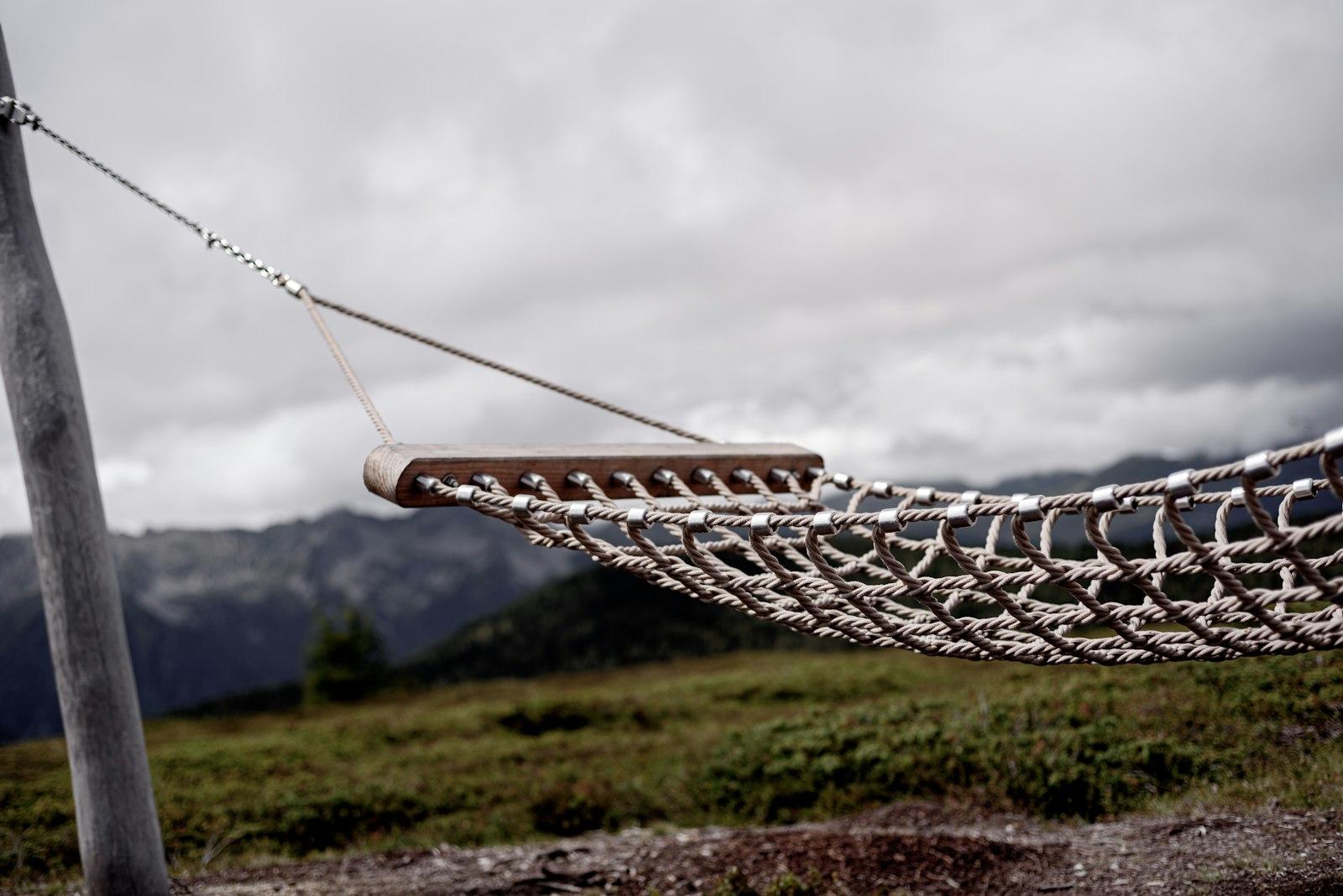
- Backyard spreader-bar hammocks: a bed around 6.5 to 7 feet long, with an overall length of 11 to 13 feet including the cords and rings.
How are hammocks measured?
Three numbers show up on product pages, and they mean different things.
- Fabric or body length. The length of the fabric from gathered end to gathered end. This is the number that drives comfort in camping hammocks.
- Bed length and width. On spreader-bar hammocks, the size of the flat area you lie on, between the bars.
- Overall length. The full length including end loops, cords and rings. This decides how much space you need between anchors or how big a stand must be.
Here is how some hammocks in our gear data list their sizes:
| Hammock | Listed size | What it means |
|---|---|---|
| ENO SingleNest | 114 x 58 in | Fabric body, about 9.5 x 4.8 ft |
| ENO SuperSub | 108 x 78 in | Fabric body, 9 x 6.5 ft |
| Kammok Roo Double | 120 x 69.3 in | 10 ft long body |
| Dutchware Chameleon | 132 in long | 11 ft body |
| Vivere Double Cotton | 87 x 63 in bed, 133 in total | Bed between the bars vs overall |
| Pawleys Island Large Rope | 13 ft overall, 55 in wide bed | Overall length includes cords |
Always check which one a listing gives before comparing. A backyard hammock listed at 13 feet and a camping hammock listed at 9.5 feet can offer similar lying room, because one figure includes cords and rings and the other is fabric only.
How long should a hammock be for your height?
A rough rule of thumb used in hammock forums: the fabric should be at least 3 to 4 feet longer than you are tall. It is a starting point, not a law.
| Your height | Suggested fabric length |
|---|---|
| Under 5 ft 6 in | 9 to 10 ft |
| 5 ft 6 in to 6 ft | 10 to 11 ft |
| Over 6 ft | 11 ft or longer |
| Over 6 ft 4 in | 11 to 12 ft, and look at big and tall models |
Longer hammocks give you more fabric for the diagonal lay, which flattens your body and reduces calf pressure and shoulder squeeze. Owners commonly report that moving from an 8 or 9 foot hammock to an 11 foot one fixed most of their comfort complaints.
Short hammocks still have a place. They are lighter and fit tighter hanging spots, which matters for day trips and small yards.
Can a hammock be too wide?
Yes, there are diminishing returns. Past about 6.5 feet of width for one person, extra fabric adds weight and can flap around your face or bunch up. Smaller people sometimes find very wide hammocks baggy.
The sweet spot for most adults is 5 to 6.5 feet wide. The single vs double hammock post goes into width in more detail.
Length is the more useful number to spend on. A long hammock at moderate width often sleeps better than a short, very wide one.
How much space does a hammock need?
Hammock size sets your hanging distance:
- A 9 to 11 foot gathered-end hammock hangs best between anchors 12 to 15 feet apart.
- A longer hammock needs a bit more distance, or higher hang points.
- Spreader-bar hammocks usually need their full overall length plus a little suspension. A 13 foot rope hammock needs about 13 to 15 feet between posts or a stand built for it.
For a balcony, porch or small room, look at a hammock chair or a short hammock on a compact stand. Measure the space first, including room to swing.
Our guide on how to hang a hammock covers distance and height, and the trees too far apart or too close post covers awkward spacing.
Hammock sizes for tall people, couples and kids
Size advice shifts a bit depending on who is getting in.
Tall people. Length is the number to watch. Over 6 feet, look for 11 feet of fabric or more, and check the capacity covers you comfortably, since longer bodies often come with higher weight. The Dutchware Chameleon, for example, uses an 11 foot body. Owners who move up to a longer hammock commonly say the difference in calf pressure is the first thing they notice.
Couples. For two people lounging together, width matters more than length. A double that is 6 to 6.5 feet wide gives room to sit side by side. For sleeping, two hammocks are more comfortable than one.
Kids. Smaller bodies do fine in a 9 foot single, and the shorter length is easier to get in and out of. Hang it low and supervise. Babies should not sleep in a hammock at all; the CPSC advises cribs, bassinets and other products made for infant sleep.
Backyard loungers. On a spreader-bar hammock, look at bed size. A bed about 4.5 to 5 feet wide suits one adult. Around 5 feet wide and up suits two adults sitting together, with the overall length deciding how big a stand you need.
Size checklist before you buy
- Check fabric length, not overall length, on camping hammocks.
- Match length to your height using the table above.
- Choose 5 to 6.5 feet of width for one adult.
- Confirm the capacity covers you and your gear.
- Measure your trees, posts or stand footprint.
- Check that your underquilt, bug net and tarp fit the size you choose.
Next step
Use the gear compare tool to line up lengths and widths across models, or start with how to choose your first hammock.
Frequently asked questions
How long should a hammock be?+
For most adults, a gathered-end hammock should be 10 to 11 feet long. People under about 5 ft 6 in are often fine with 9 to 10 feet, and anyone over 6 feet usually sleeps better in 11 feet or longer. A common rule of thumb is fabric 3 to 4 feet longer than your height.
How long is a standard hammock?+
There is no official standard. Most camping hammocks run 9 to 11 feet of fabric, with 9.5 to 10 feet the most common. Backyard spreader-bar hammocks often have a bed around 6.5 to 7 feet long and an overall length of 11 to 13 feet once the cords and rings are included.
How are hammocks measured?+
Makers list one of three numbers: fabric length from end to end, bed size between spreader bars, or overall length including cords and rings. Fabric length matters most for camping comfort. Overall length tells you how far apart your anchors or stand must be. Check which one a listing uses before comparing.
Can a hammock be too wide?+
Yes. Past about 6.5 feet of width for one person, extra fabric adds weight and can flap around your face or feel baggy, especially for smaller people. Most adults are comfortable at 5 to 6.5 feet wide. Extra length usually improves comfort more than extra width does.
Is an 11 foot hammock better than a 10 foot hammock?+
For taller people and anyone chasing a flat lay, often yes. The extra foot of fabric gives a deeper diagonal, which reduces calf pressure and shoulder squeeze. The trade-offs are a little more weight and needing slightly more space between anchors. People under about 5 ft 8 in may not notice much difference.
Find a hammock-friendly spot near you.