Camping Hammock vs Regular Hammock: What Is the Difference?
Nylon that packs to fist size, or rope and cotton that stays on the porch. What separates them and when one can do the other's job.

A camping hammock is a light, gathered-end hammock made from nylon or polyester that packs to the size of a grapefruit and hangs from tree straps. A regular backyard hammock is usually heavier cotton, rope or quilted fabric, often with spreader bars, built to stay in one place on a stand or between posts. Camping hammocks are better for sleeping. Backyard hammocks are better for looks and lounging.
What is a camping hammock?
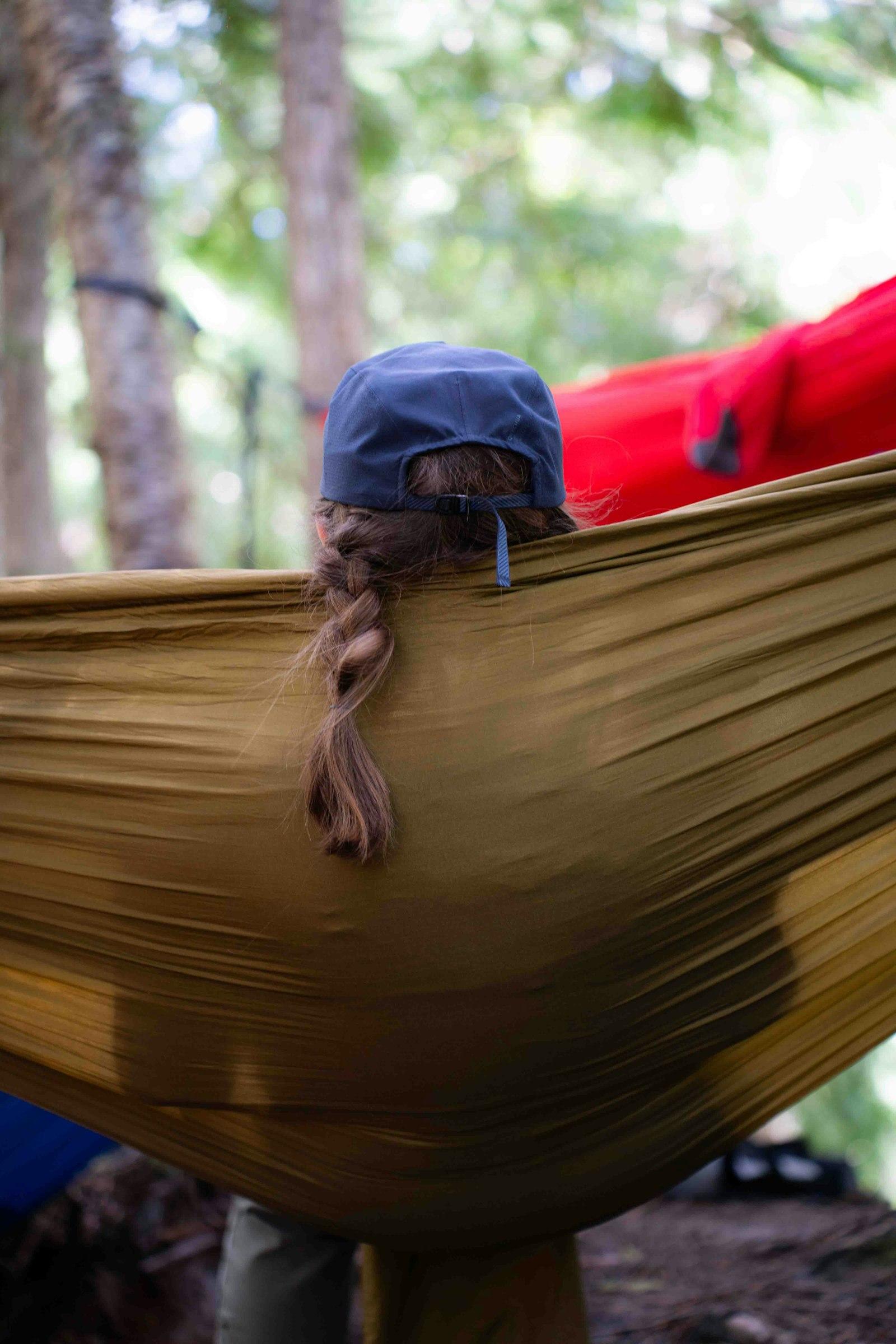
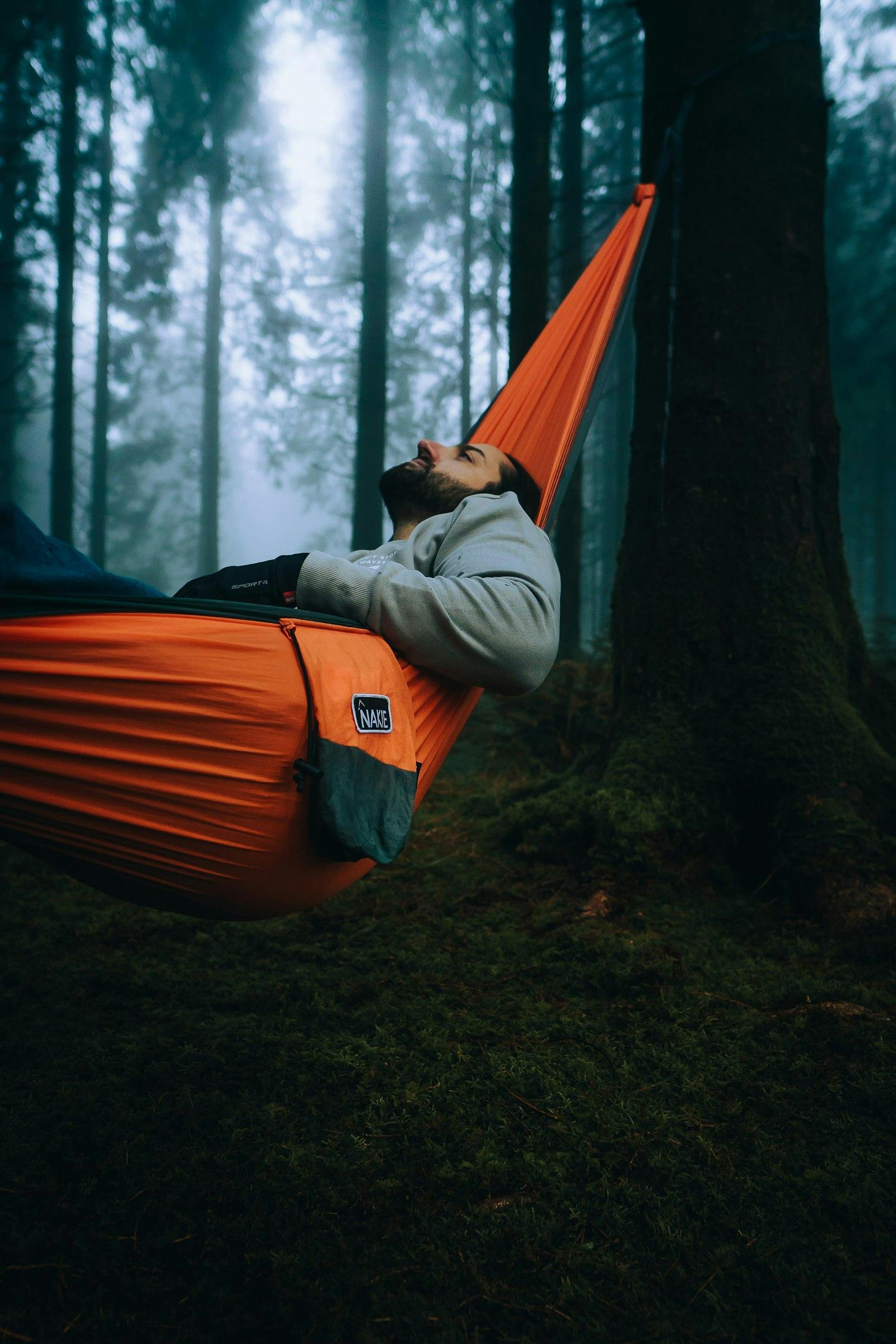
A camping hammock is a single sheet of synthetic fabric, gathered at each end, with no bars. You hang it with wide tree straps and carabiners, lie on the diagonal and sleep. Most are made from parachute nylon or ripstop nylon because it is strong, light and dries fast.
The camping part is the system around it. For an overnight trip you add:
- Straps at least 1 inch wide, which many parks require.
- A bug net, either built in or sold separately.
- A tarp for rain.
- Insulation underneath, an underquilt or a pad, for cool nights.
Kits like the Kammok Mantis and Hennessy Expedition Zip bundle most of that. Simple hammocks like the ENO DoubleNest leave it to you, which costs more planning but lets you upgrade one piece at a time.
Many camping hammocks also use a structural ridgeline, a cord that runs from end to end above you. It sets the same sag every time, no matter how far apart the trees are, and gives you a line to hang a bug net or a small gear pouch from. Some hammocks build it in. Others sell it as an add-on, like ENO's Microtune ridgeline at 1.2 oz. None of this exists on a backyard hammock, because a backyard hammock hangs in the same place every day and does not need to adapt to new trees.
What is a backyard hammock?
A backyard hammock is built to hang in one spot for a season. The common types:
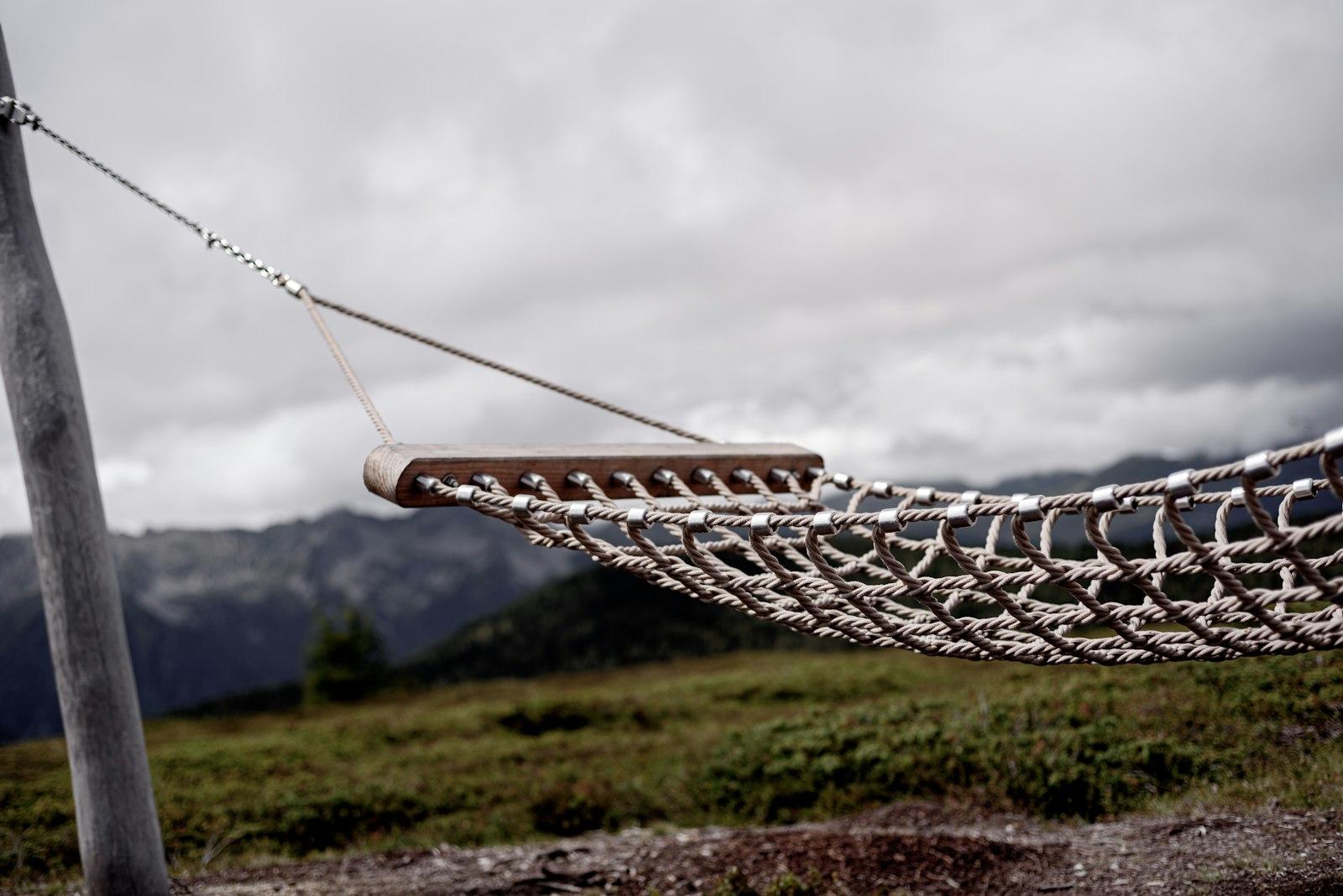
- Cotton rope with spreader bars, like the Pawleys Island Large Original: 13 ft overall, 450 lb capacity.
- Quilted fabric with padding and spreader bars.
- Woven cotton or acrylic string, gathered-end, like Brazilian and Mayan styles. See Brazilian vs Mayan hammock.
- Hammock and stand combos, like the Vivere Double Cotton Hammock with Stand: 87 x 63 in bed, 450 lb capacity, stand included.
They are heavier, bulkier and often prettier. They are not designed to be packed into a backpack. Many are designed to look like furniture, and that is a fair reason to buy one.
Camping hammock vs regular hammock: side by side
| Camping hammock | Backyard hammock | |
|---|---|---|
| Material | Nylon or polyester | Cotton, rope, quilted fabric, acrylic |
| Ends | Gathered, no bars | Often spreader bars |
| Weight | About 10 to 30 oz | Several pounds and up, plus stand |
| Packed size | Fist to grapefruit | Does not pack small |
| Hangs from | Tree straps | Posts, hooks, stand |
| Sleeping | Built for it, lie diagonal | Better for lounging |
| Weather | Dries fast | Cotton should come in when wet |
| Tipping | Stable with sag | Spreader bar models tip more |
The camping weight range comes from our specs: the ENO SuperSub lists 9.8 oz and the Grand Trunk Double Deluxe lists 28 oz with straps.
How long is a camping hammock?
Most camping hammocks run 9 to 11 feet long. In our gear database, the ENO SingleNest and DoubleNest list 114 in (9.5 ft), the Kammok Roo Double lists 120 in (10 ft), the Grand Trunk Double Deluxe lists 126 in (10.5 ft) and the Dutchware Chameleon is reported at 132 in (11 ft).
Length matters more than width for sleeping. A rough guide:
- Under 5 ft 10 in: 9 to 10 feet is fine.
- 5 ft 10 in to 6 ft 3 in: look for 10.5 to 11 feet.
- Over 6 ft 3 in: 11 feet or more. See the best hammocks for big and tall people.
Width matters too, just less. A wider "double" hammock gives you more fabric to lie across on the diagonal, which is why many solo campers buy doubles. More on sizing in hammock sizes explained.
What is a travel hammock?
A travel hammock is a camping hammock without the overnight extras. It is a simple nylon hammock with straps that packs small enough for a daypack, carry-on or beach bag. You use it for afternoon hangs at parks, beaches and campsites rather than full nights out.
What to look for in one:
- A stuff sack attached to the hammock, so you cannot lose it.
- Straps included, or a light strap set you can add.
- Fabric that dries fast after a swim or a passing shower.
The best beach and travel hammocks page lists options. At the beach, palms and posts are often off limits, so check local rules before you pack one. A travel hammock with long straps gives you the most chances of finding a legal pair of anchors.
Can one hammock do both jobs?
A camping hammock in the backyard: yes, and it is often the better choice for napping. Hang it between two trees 12 to 15 feet apart with wide straps, or on a stand long enough for its length. It dries fast after rain and you can take it down in a minute.
Two cautions. Short steel stands can over-tension long gathered-end hammocks, and our specs flag this on the Vivere Universal Steel Stand, so check the stand's length range. And nylon fades in constant sun, so take it down between uses if it hangs in full sun all summer.
A backyard hammock on a camping trip: rarely. Rope and spreader bar hammocks are heavy, bulky and tip easily, and cotton soaks up rain. A string hammock can travel, but it lacks the bug net and tarp setup that overnight camping needs. For car camping near the car, a hammock on a portable stand is another route. Read do you need a hammock stand.
Which one should you buy?
- You want one hammock for everything: a 10 to 11 foot double-width nylon hammock with straps. It works in the yard, at the beach and on the trail.
- You want a porch centerpiece: rope, quilted or woven, on posts or a stand.
- You want to sleep outside overnight: a camping hammock plus bug net, tarp and insulation. Start with the hammock camping gear list.
If you are torn, start with the camping hammock. It costs less, covers more situations and tells you how much you hang before you spend on a porch piece.
Next step
Compare a camping hammock and a backyard hammock side by side in Compare, or browse the best camping hammocks and best backyard hammocks.
Frequently asked questions
What is the difference between a camping hammock and a regular hammock?+
A camping hammock is light nylon or polyester with gathered ends, packs to about grapefruit size and hangs from tree straps. A regular backyard hammock is usually heavier cotton, rope or quilted fabric, often with spreader bars, and hangs from posts or a stand. Camping hammocks are better for sleeping and travel.
What is a camping hammock?+
A camping hammock is a gathered-end hammock made from parachute or ripstop nylon, hung with wide tree straps and carabiners. For overnight use you add a bug net, a rain tarp and insulation underneath. Some kits include all of these in one box, while simple hammocks leave each piece to you.
How long is a camping hammock?+
Most camping hammocks are 9 to 11 feet long. Under 5 ft 10 in, 9 to 10 feet works. From 5 ft 10 in to 6 ft 3 in, look for 10.5 to 11 feet. Taller sleepers should choose 11 feet or more, since length lets you lie flatter on the diagonal.
What is a travel hammock?+
A travel hammock is a simple, compact nylon hammock with straps that packs small enough for a daypack, carry-on or beach bag. It is meant for daytime hangs at parks and beaches rather than full nights out, so it usually skips the bug net, tarp and insulation.

Find a hammock-friendly spot near you.