Hammock Camping on the Appalachian Trail
Why so many AT hikers hang, the rules that catch people out, and how a hammock compares with a tent from Georgia to Maine.
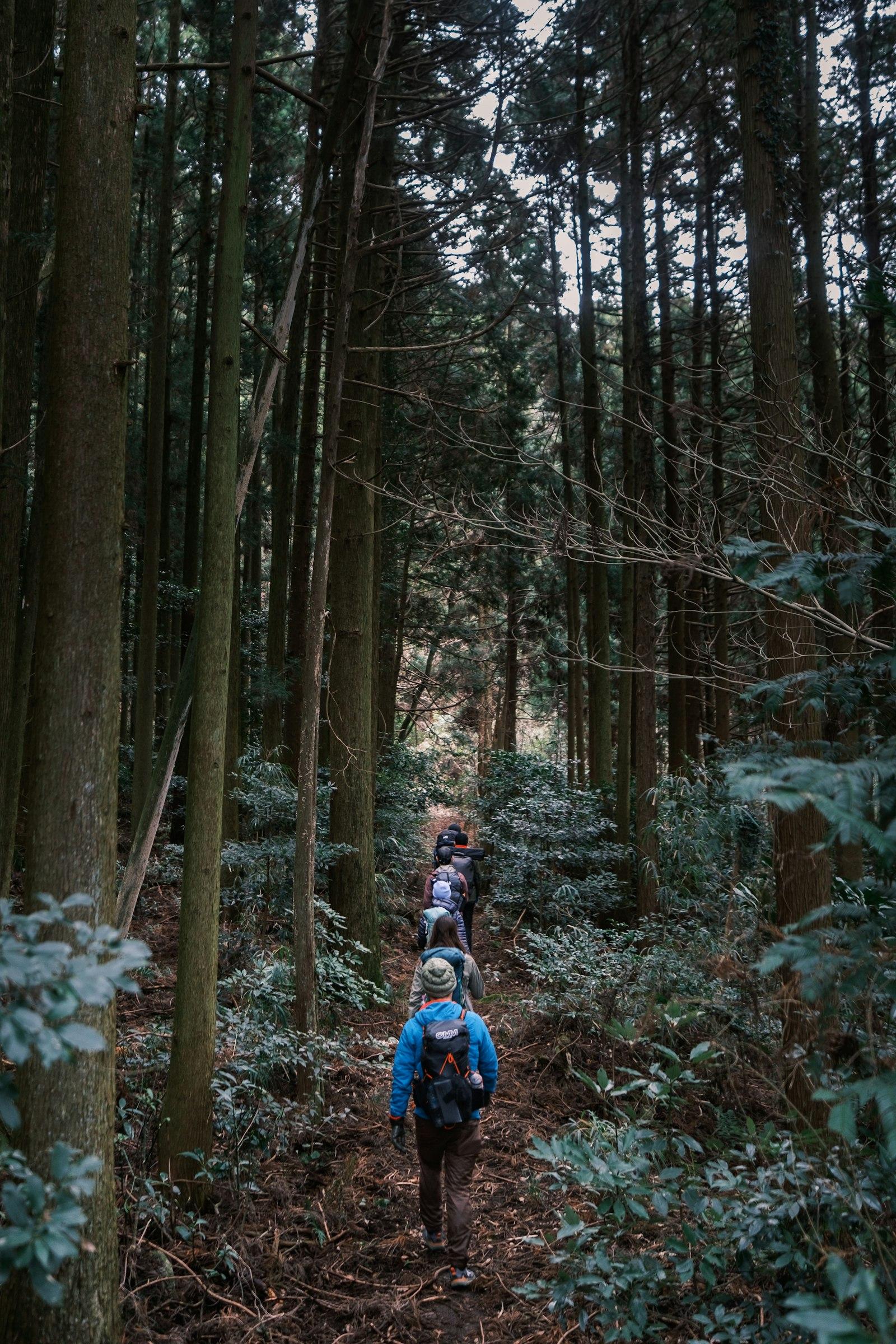
Yes, you can hammock camp on the Appalachian Trail, and it is one of the best long trails for it because most of the route runs through forest. Bring a hammock as your own shelter, never hang it from a shelter, use designated sites where they are required, and read the Great Smoky Mountains rules before you reach the park.
Can you use a hammock on the Appalachian Trail?
You can. The Appalachian Trail Conservancy tells every backpacker to carry a personal shelter, and names a hammock alongside a tent. The reason is practical: the trail has more than 250 shelters, they are first come, first served, and they fill fast, especially in rain. See the ATC page on where to sleep on the A.T..
The same page sets one clear hammock rule: do not hang a hammock from any part of a shelter. Shelters are not built for that load, and a hammock takes up space other hikers need.
Why the AT suits hammocks
Most of the trail from Georgia to Maine is wooded. That means:
- You rarely struggle to find two trees 12 to 15 feet apart.
- Sloped, rocky or rooty ground stops mattering. The southern Appalachians are full of all three.
- After a rainy day you can sleep off wet ground, and your tarp becomes a dry place to cook and change.
- Crowded shelter areas are easier, because you can hang on the edge of a campsite instead of needing a flat pad.
Places where hammocks are harder include open balds, some high ridges and the alpine sections in New Hampshire and Maine. Plan your stops for those stretches.
Hammock vs tent on the Appalachian Trail
| Factor | Hammock | Tent |
|---|---|---|
| Finding a site | Easy in forest, any slope works | Needs a flat, clear pad, which can be scarce at busy sites |
| Comfort | No roots or rocks, many sleep better | Depends on the pad and ground |
| Rain | Tarp gives a big dry area | Small vestibule |
| Cold nights | Needs an underquilt | A pad is simpler |
| Balds and treeline | Hard or impossible | Works anywhere |
| Weight | Similar to a one-person tent and pad | Similar |
Many thru-hikers start with a hammock, and some switch after a cold night in early spring. Most of those cold nights are an insulation problem, not a hammock problem. A good underquilt solves it. Our hammock vs tent guide and are hammocks colder than tents go deeper.
The Great Smoky Mountains rules
The Smokies section is the part that catches hikers out. The National Park Service sets the rules here, and they are stricter than the rest of the trail:
- Camping is allowed only at designated backcountry campsites and shelters.
- Tents and hammocks may be used within designated backcountry campsites.
- Hammocks may not be used inside shelters and may not be attached to shelters in any way.
- Backpackers whose itineraries include shelters are required to stay in the shelter. Those with an AT thru-hiker permit may tent outside a shelter if it is full.
- All food and scented items must be hung on the bear cable system at each site.
- Dogs and other pets may not be carried into the backcountry.
Read the full list on the Great Smoky Mountains backcountry page, and check it close to your trip because rules and fees change. The park's own hammock rules are also summarized on our Great Smoky Mountains page.
Other sections to check before you hang
- Shenandoah National Park has its own backcountry rules for camping near the AT. Read the Shenandoah page and the park's current regulations before you go.
- Baxter State Park at the northern end has its own reservation and camping rules, and does not allow pets anywhere in the park.
- State parks and forests along the route each set their own rules. When in doubt, ask the land manager or use our Can I Hang Here? tool.
How to hang responsibly at busy AT campsites
The AT is one of the most used trails in the country. Small habits keep campsites healthy:
- Use straps at least 1 inch wide. Never use thin rope directly on bark.
- Hang from healthy trees at least 6 inches (15 cm) across, which is the Leave No Trace guideline.
- Look up. The ATC warns about dead trees, leaning trees and broken limbs called widow makers, especially after storms.
- Hang inside the existing campsite, not in fresh vegetation.
- Stay at least 200 feet (60 m) from water where you are not at a designated site.
Our hammock safety and Leave No Trace guide has the full list, and do hammock straps hurt trees explains the bark question.
Hammock etiquette at shelters and crowded sites
Shelter areas get busy in peak season, and hangers fit in best with a few habits:
- Hang at the edge, not the middle. Leave the flat tent pads for people who need them.
- Do not string lines across paths. Guylines and ridgelines at shin height are a trip hazard in the dark. Mark them or route them away from foot traffic.
- Share trees politely. If two hammocks can share one tree on opposite sides, ask first.
- Use the shelter for cooking and shelter from rain, not for hanging. Sitting in the shelter to eat or wait out a storm is fine. Attaching anything to it is not.
- Keep the noise down at night. Sound carries in an open forest more than you expect.
Section hikers and thru-hikers both benefit from a fast setup. If you can hang the tarp and hammock in under 10 minutes, a late arrival at a full site is no problem.
Gear notes for an AT hammock kit
- Hammock: 10 to 11 feet long with an integrated bug net. The mid-Atlantic in summer has plenty of mosquitoes and ticks.
- Tarp: a hex or rectangle with an 11 to 12 foot ridgeline. The AT is wet, so do not go too small. See hammock camping in the rain.
- Underquilt: a three-season quilt rated in the 20s or 30s F is common for spring starts, because March and April nights in the southern mountains can drop below freezing.
- Straps: 9 to 10 feet each, enough for wide trees.
- Bear hang: a cord and bag for sites without cables or boxes. The ATC notes about half of shelters have food storage systems.
- Snakeskins or a hammock sock: they let you pack the hammock wet in seconds and keep it out of the rain while you hang it.
- A small sit pad: the ground at AT campsites is often muddy, and it gives you somewhere dry to stand while you get in and out.
Resist the urge to bring every gadget. The AT has steady resupply, and a lighter pack makes long climbs easier.
Your next step
Build your kit with our hammock camping gear list, then use the trip planner to map out your first section hike.
Frequently asked questions
Can you use a hammock on the Appalachian Trail?+
Yes. The Appalachian Trail Conservancy recommends every backpacker carry a personal shelter such as a tent or hammock, because shelters fill up. Most of the trail is forested, so trees are easy to find. Never hang a hammock from any part of a shelter, and follow local rules in the Smokies and other parks.
Is a hammock or tent better for the Appalachian Trail?+
For most of the AT, a hammock works very well because the route is mostly forest with sloped, rocky ground. A tent is easier on open balds, above treeline in New Hampshire and Maine, and on cold nights if you lack an underquilt. Weight is similar for both systems.
Can you hammock in the Great Smoky Mountains on the AT?+
Yes, within designated backcountry campsites. The park does not allow hammocks inside shelters or attached to shelters. Hikers with shelter itineraries must stay in the shelter, though thru-hikers with the AT permit may camp outside if it is full. Check the park's current backcountry rules before you go.
Do you need an underquilt on the Appalachian Trail?+
For a spring start, yes in practice. Nights in the southern mountains in March and April can fall below freezing, and a hammock without insulation underneath feels cold even around 60 F. A three-season underquilt rated in the 20s or 30s F covers most of the trail's hiking season.
Find a hammock-friendly spot near you.