Can You Hammock in Hawaii? Rules and Best Spots
Beach park rules, the Kalalau Trail permit, which trees to skip, and where to find a good hang on the islands.
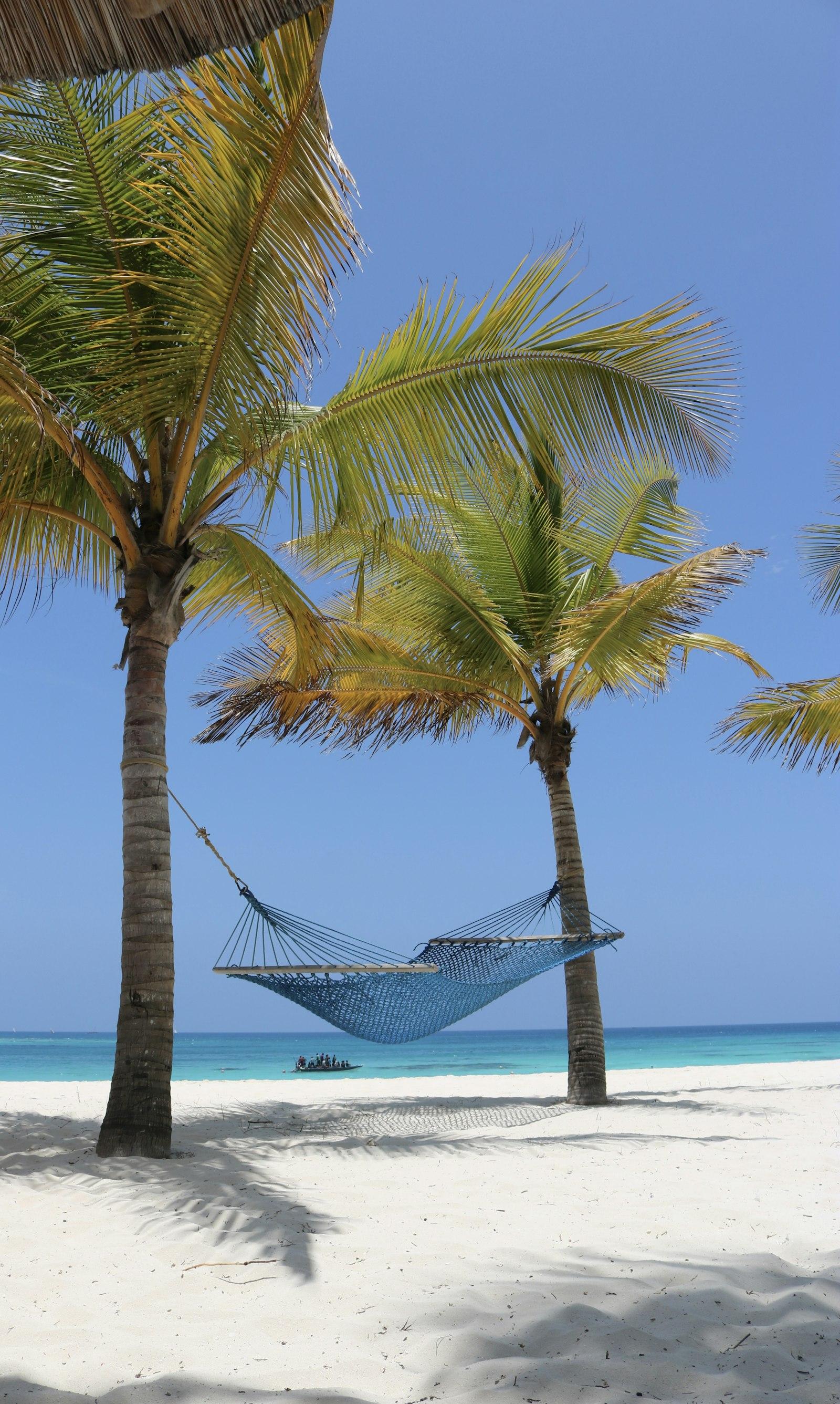
Yes in many places, with care. We found no statewide Hawaii law about hammocks, but state and county parks protect their trees, overnight stays need a camping permit, and rules differ by island and by park. For a day hang, use wide straps on sturdy trees, stay out from under coconut palms with fruit, and follow the posted signs at each beach park.
Can you hammock in Hawaii?
Hawaii's beaches, parks and trails are run by different managers. State parks are run by the Department of Land and Natural Resources (DLNR). Beach parks are mostly county parks, run separately by Honolulu, Maui, Hawaii County and Kauai. Resorts and vacation rentals set their own rules.
None of the sources we checked names hammocks specifically. That leaves you with the general rules: do not damage trees or plants, follow posted signs, and get a permit before you camp. A day hang with tree friendly straps is common on the islands, but it is never a guaranteed right. If a lifeguard, ranger or property manager asks you to take it down, take it down.
The easiest way to get a clear answer is to ask before you hang:
- At a state park: ask DLNR State Parks staff or check the park's notices online.
- At a county beach park: ask a lifeguard or call the county parks department.
- At a resort or rental: ask the front desk or host. Some provide hammocks or posts, and some do not allow anything on their trees.
Write down who said yes and when. It helps if someone else questions it later.
What are the hammock beach rules in Hawaii?
There is no single set of Hawaii beach rules for hammocks. Each county has its own park ordinance. Honolulu's, for example, sits in Chapter 10 of the Revised Ordinances, and the city's Parks and Recreation department links its park rules from one page. (Honolulu park rules) None of the rules we found there name hammocks.
What that means on the sand:
- Read the signs at the park entrance and lifeguard tower.
- Do not tie to lifeguard towers, pavilions, signs or railings.
- Do not block paths, beach access or emergency lanes.
- Use wide straps and take the hammock down when you leave.
- Camping in a county beach park, where it is allowed at all, needs a county permit.
We cover Kauai's north shore on our Hanalei beaches rules page, including the sources we used.
Can you hammock on the Kalalau Trail?
The Kalalau Trail on Kauai's Na Pali Coast is one of the most searched hikes in Hawaii, and gear questions come up constantly. Here is what DLNR's official permit rules say:
- Anyone going beyond Hanakapiai must have a valid camping permit.
- Camping along the trail is only allowed at Hanakoa and Kalalau.
- The maximum stay is 5 consecutive nights, and nights at Hanakoa count toward it.
- Permits cost $25 per person per night for Hawaii residents and $35 for non residents, and you can apply up to 90 days ahead.
- You also need a parking reservation or a shuttle or drop off, plus a Haena entry reservation.
Source: DLNR Special Permit Rules for Napali Coast State Park. When we checked in October 2026, the page carried a notice that Kauai camping was closed, so look at current park notices before you plan anything.
DLNR's permit rules do not mention hammocks. If you plan to hang at Kalalau, ask the State Parks office when you get your permit. Pack a tarp either way, since the Na Pali Coast gets heavy rain. Our guide to hammock camping in the rain covers the setup.
Which trees should you use in Hawaii?
Tree choice matters more in Hawaii than almost anywhere, for safety and respect.
- Skip coconut palms with fruit overhead. Coconuts are heavy and fall without warning.
- Use solid, healthy trunks. Leave No Trace suggests living trees at least 6 inches in diameter, and bigger is better.
- Use wide straps. Webbing 1 inch or wider protects bark. Rope can cut into soft bark.
- Leave native and culturally important plants alone. Many native plants are rare, and some sites are sacred. If you are unsure, do not hang there.
- Watch the wind. Trade winds can be strong on exposed beaches. Choose a sheltered spot and hang low.
Where are the best spots to hammock in Hawaii?
Think in types of places rather than one magic beach:
| Type of spot | Why it works | What to check |
|---|---|---|
| Shaded county beach parks | Mature trees, restrooms, lifeguards | Posted rules, no camping without permit |
| State park day use areas | Big trees, scenic views | DLNR rules, closures |
| Resort and rental grounds | Some provide hammocks or posts | Property rules |
| Your own stand | Works on any lawn or lanai | Space and wind |
Big shade trees near the sand are what you are looking for. Arrive early on weekends, when local families fill the best picnic spots, and leave room for them. A hammock should never take over a shared pavilion or picnic area.
Kauai's north shore around Hanalei is a classic for good reason. See our Hanalei destination page and the tropical hangs collection for more island ideas.
How do you keep a beach hammock day easy in Hawaii?
Beach hangs come with sand, salt and sun. A few habits help:
- Hang over sand, not reef rock or dune plants. Dunes hold the beach together.
- Keep it low. A low hang is easier to get into from soft sand and safer if a strap slips.
- Rinse after salt water. Salt and sand wear fabric and buckles. A quick freshwater rinse helps.
- Dry it before you pack it. Damp nylon in a hot rental car invites mildew. See how to get mold out of a hammock if it is already too late.
- Watch the sun angle. Island sun is strong, and afternoon shade moves fast. Check your spot again after an hour.
- Respect lifeguard instructions. If they ask you to move, move.
What should you pack for a Hawaii hammock trip?
- A quick drying hammock. Browse beach hammocks for options.
- Tree straps 1 inch wide or wider.
- A bug net for dusk and damp valleys. See how to keep bugs away in a hammock.
- A light tarp for passing showers.
- Reef safe sunscreen and plenty of water.
- A small dry bag for your phone and keys.
Flying in? Hammocks are fine in carry-on bags. Read can you bring a hammock on a plane for the rest of your kit. Arriving by ship? Read can you bring a hammock on a cruise.
Next step
Check your island spot on Can I Hang Here, then browse beach destinations on Find a Hang.
Frequently asked questions
Can you hammock in Hawaii?+
Yes in many places, with care. We found no statewide law about hammocks, but state and county parks protect their trees, posted signs apply, and camping needs a permit. Use wide straps on sturdy trees, avoid coconut palms with fruit overhead, and take your hammock down when you leave. If staff ask you to remove it, do so.
What are the hammock beach rules in Hawaii?+
Each county sets its own beach park rules, and none we checked names hammocks. Follow posted signs, never tie to lifeguard towers, pavilions or railings, keep paths and beach access clear, and do not damage trees. Camping in a county beach park, where allowed, requires a county camping permit.
Can you hammock on the Kalalau Trail?+
DLNR's permit rules do not mention hammocks, so ask the State Parks office when you get your permit. You need a camping permit to go past Hanakapiai, camping is only allowed at Hanakoa and Kalalau, and the maximum stay is 5 nights. Check current notices first, since DLNR posted a Kauai camping closure in October 2026.
Can I hang a hammock between palm trees in Hawaii?+
It is possible on sturdy, mature palm trunks, but skip any palm with coconuts overhead, since falling fruit is heavy and dangerous. Use wide webbing straps to protect the trunk and hang low. Some parks and resorts do not allow anything attached to their trees, so read posted rules or ask staff before you hang.
Find a hammock-friendly spot near you.