Hammocks Around the World: Yucatan, Brazil, Colombia and Beyond
From open-weave Yucatán string hammocks to Venezuelan palm-fiber chinchorros, a field guide to the world's main hammock styles.
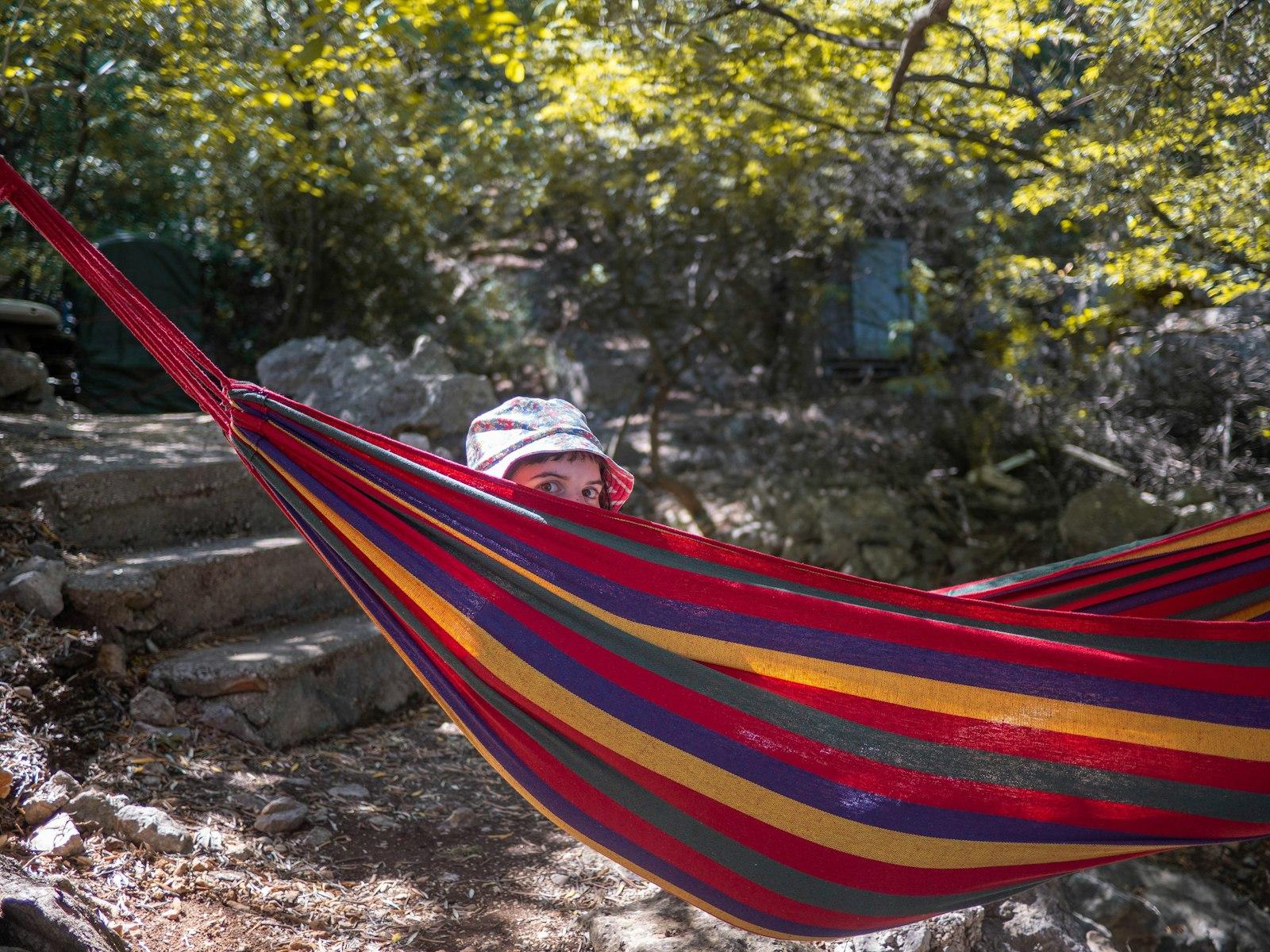
Hammocks around the world fall into a few main styles. Mexico's Yucatán is known for open-weave string hammocks. Brazil makes woven fabric hammocks with decorative fringe. Colombia's San Jacinto weaves cotton hammocks on vertical looms. Venezuela's chinchorro has roots in palm-fiber weaving. The US adds the spreader-bar rope hammock, and the whole world now shares the nylon camping hammock.
Where are hammocks from?
Hammocks started with the Indigenous peoples of the Caribbean and northern South America, and the word comes from the Taíno language. We cover that history in where hammocks come from. From there, each region developed its own style based on the fibers it had, the climate and how people lived. Here is the quick comparison:
| Style | Where | Main material | How it feels | Best for |
|---|---|---|---|---|
| Mayan (Yucatán) | Mexico | Cotton or nylon thread, open mesh | Stretchy, wraps around you, breezy | Hot climates, napping, indoor hooks |
| Brazilian | Brazil | Woven cotton fabric, often fringed | Soft, solid, warmer | Porches, patios, all-day lounging |
| Colombian | Colombia | Hand-spun cotton on a vertical loom | Thick, colorful, durable | Lounging, display pieces |
| Chinchorro | Venezuela | Palm fiber or cotton, net or woven | Firm, airy | Tropical homes, tradition |
| Rope with spreader bars | United States | Cotton or synthetic rope, wooden bars | Flat, open, tippier | Backyards, the classic porch look |
| Parachute nylon | Worldwide | Lightweight nylon | Light, quick-drying, packs small | Camping, travel, beach |
What is a Mexican hammock?
A Mexican hammock, also sold as a Mayan or Yucatán hammock, is a hand-woven net made of many thin strings rather than a solid sheet of fabric. Lying in one feels like being held by a soft web. It stretches to your shape and lets air through.
México Desconocido describes how they are made in Tixkokob, a Yucatán town known for hammocks: by hand, on a wooden frame, using a wooden or bone needle. Early materials were tree bark and sisal, then henequen mixed with cotton, and today nylon thread is common. The finer the thread and the tighter the weave, the longer each hammock takes.
The style is newer than many people think. Research published in *Anthropologica* suggests the Maya adopted the Caribbean hammock in the 17th century, then made it their own. In much of the Yucatán, hammocks are still everyday beds, and you will see them all along the coast near Tulum.
How to pick the best Mayan hammock
Owners who buy Yucatán hammocks tend to raise the same few points. Use them as a checklist:
- Thread. Cotton is soft and breathable but holds moisture and can mildew. Nylon is tougher, dries faster and suits humid or outdoor use. Ask what you are buying.
- Weave density. A tighter, finer weave feels smoother and wears better. A loose weave with thick string can leave marks on your skin.
- Size. Bigger is more comfortable, even for one person, because you lie across it diagonally. Size names vary by seller, so ask for the bed length and width.
- End strings. The long arms at each end should be even and firmly bound into the end loops.
- Fingers and toes. Open mesh catches small fingers, toes and buttons. Families with young kids should keep that in mind.
For a deeper comparison of the two most popular tropical styles, read Brazilian vs Mayan hammock.
What is a Brazilian hammock?
A Brazilian hammock, or rede, is a woven fabric hammock, usually cotton, often with a decorative fringe along the sides. It feels more like lying in a soft sheet than a net. It is warmer than a Mayan hammock and does not leave a mesh pattern on your arms.
Brazil's Northeast is a major producer. A UNESP doctoral thesis on Jaguaruana, in the state of Ceará, describes hammock weaving there as a traditional textile activity and the town's largest employer and source of revenue. Many Brazilian-style hammocks also hang well on a steel stand like the Vivere Universal Steel Stand.
What is a Colombian hammock?
Colombia's best-known hammock town is San Jacinto, in the department of Bolívar. Radio Nacional de Colombia reports that artisans there weave hammocks on vertical looms with hand-spun cotton yarn and natural dyes, a tradition inherited from the Zenú people. Families pass the skill down, and a teaching program has trained teenagers to keep it alive.
Colombian hammocks tend to be thick, bright and heavy. They are lounging and display pieces more than travel gear, and they reward being kept dry and out of strong sun.
What is a Venezuelan chinchorro hammock?
In Venezuela, a hammock is often called a chinchorro. The Warao people of the Orinoco Delta region are known for hammocks woven from moriche palm fiber. The University of Pennsylvania Museum holds a Warao hammock made of moriche palm leaf fiber, made by women in Santa Rosa, Venezuela, in 1987.
A study of Warao culture in Delta Amacuro state describes the process: women cut fine strips from moriche leaves, boil them, dry them in the sun, twist them into thread and weave the chinchorro on a vertical frame loom. The same study notes that the chinchorro travels with its owner on nights away from home.
Today you will also find cotton and nylon chinchorros with a net-style weave, sold across Venezuela and its neighbors.
The American rope hammock
The spreader-bar rope hammock is the American porch classic. Pawleys Island, South Carolina, is closely tied to it, and the local tourism office says the hammocks have been made in town for nearly 100 years. The Pawleys Island Original Cotton Rope Hammock in our database uses 3-ply cotton rope and varnished oak spreader bars, with a 450 lb listed capacity.
Spreader bars hold the bed open and flat, which looks great and lets air through. The tradeoff is that they are tippier than a gathered-end hammock. See rope hammock vs fabric hammock and spreader bar hammock pros and cons.
Buying a handmade hammock with care
If you buy a traditional hammock, a few habits help both you and the weavers:
- Ask where it was made and, if possible, which town or cooperative made it.
- Ask what the thread or yarn is, so you know how to care for it.
- Expect handmade prices. A hand-woven hammock takes days of work.
- Keep cotton hammocks out of long rain and strong sun, and bring them inside when not in use.
The modern nylon camping hammock
The style you will see in every national forest is the gathered-end nylon hammock, often called a parachute hammock. It packs into a fist-sized sack, dries fast and pairs with tree straps, bug nets and tarps. It is the global hammock of the camping and travel world. Our camping hammock rankings and beach and travel picks list the main options.
Next step: planning a trip to hammock country? Browse our tropical hangs collection for places where hammocks are part of daily life.
Frequently asked questions
What is a Mexican hammock?+
A Mexican hammock, also called a Mayan or Yucatán hammock, is hand woven from many thin cotton or nylon strings into an open mesh. It stretches to your body and lets air through, which suits hot climates. Weavers in towns like Tixkokob work on a wooden frame with a wooden or bone needle.
What is a Colombian hammock?+
A Colombian hammock is a thick, colorful hammock woven from cotton. The best-known center is San Jacinto, Bolívar, where artisans weave on vertical looms with hand-spun cotton and natural dyes, a tradition inherited from the Zenú people. They are heavy and durable, best for lounging rather than backpacking.
What is a Venezuelan chinchorro hammock?+
Chinchorro is a common Venezuelan word for hammock. The Warao people of the Delta Amacuro region weave chinchorros from moriche palm fiber on vertical frame looms, a craft documented in museum collections. Modern chinchorros are also made from cotton or nylon in an open, net-like weave.
What is the difference between a Brazilian and a Mayan hammock?+
A Brazilian hammock is woven fabric, usually cotton, so it feels like a soft sheet and holds more warmth. A Mayan hammock is an open string mesh that stretches more and lets air through, which makes it cooler. Brazilian hammocks often have fringe and sometimes spreader bars, while Mayan hammocks are gathered at the ends.
How do I choose the best Mayan hammock?+
Ask what the thread is, since nylon dries faster and resists mildew while cotton feels softer. Look for a fine, tight weave and evenly bound end strings. Choose a larger size than you think you need, because you lie diagonally, and ask for the actual bed length and width since size names vary.
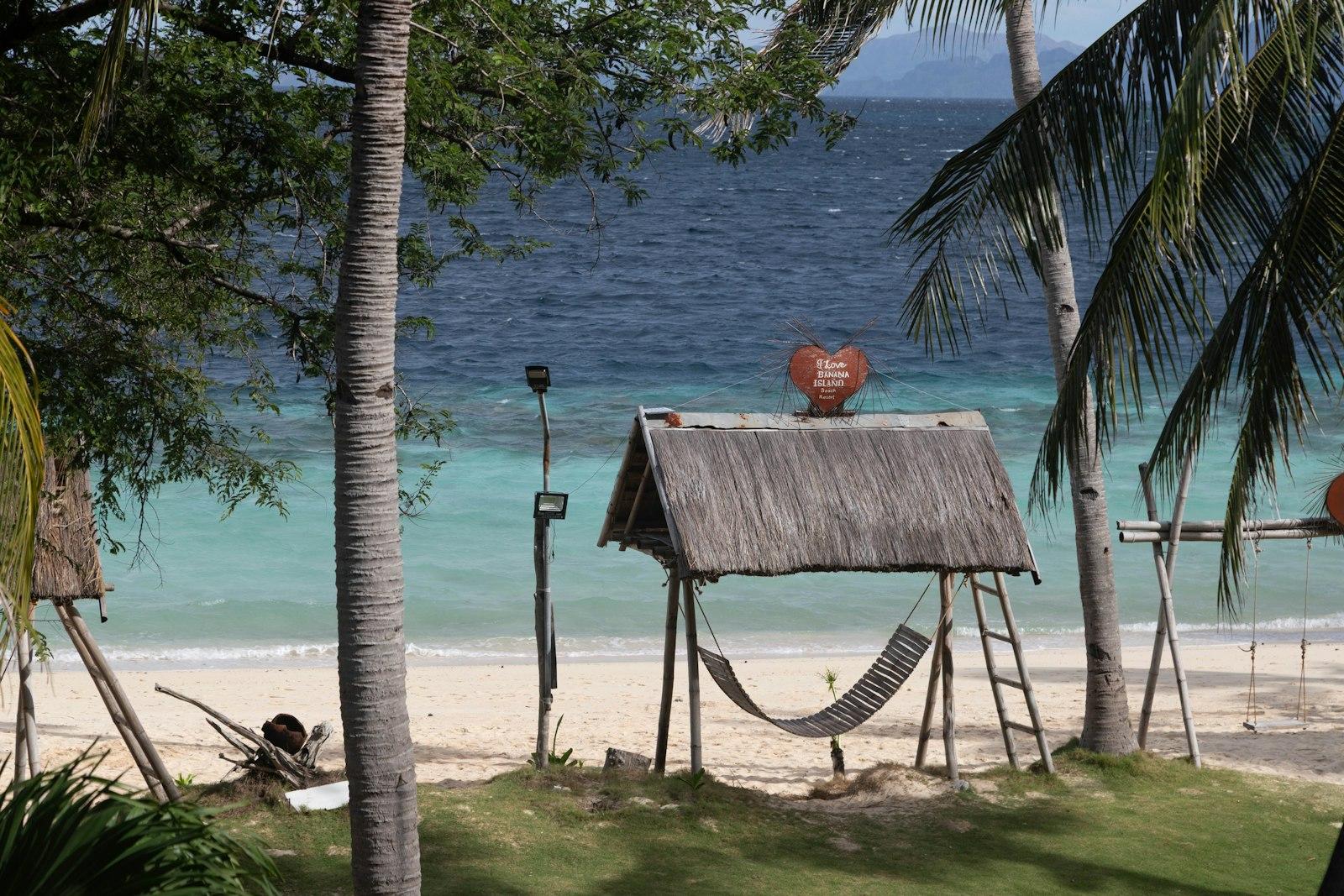

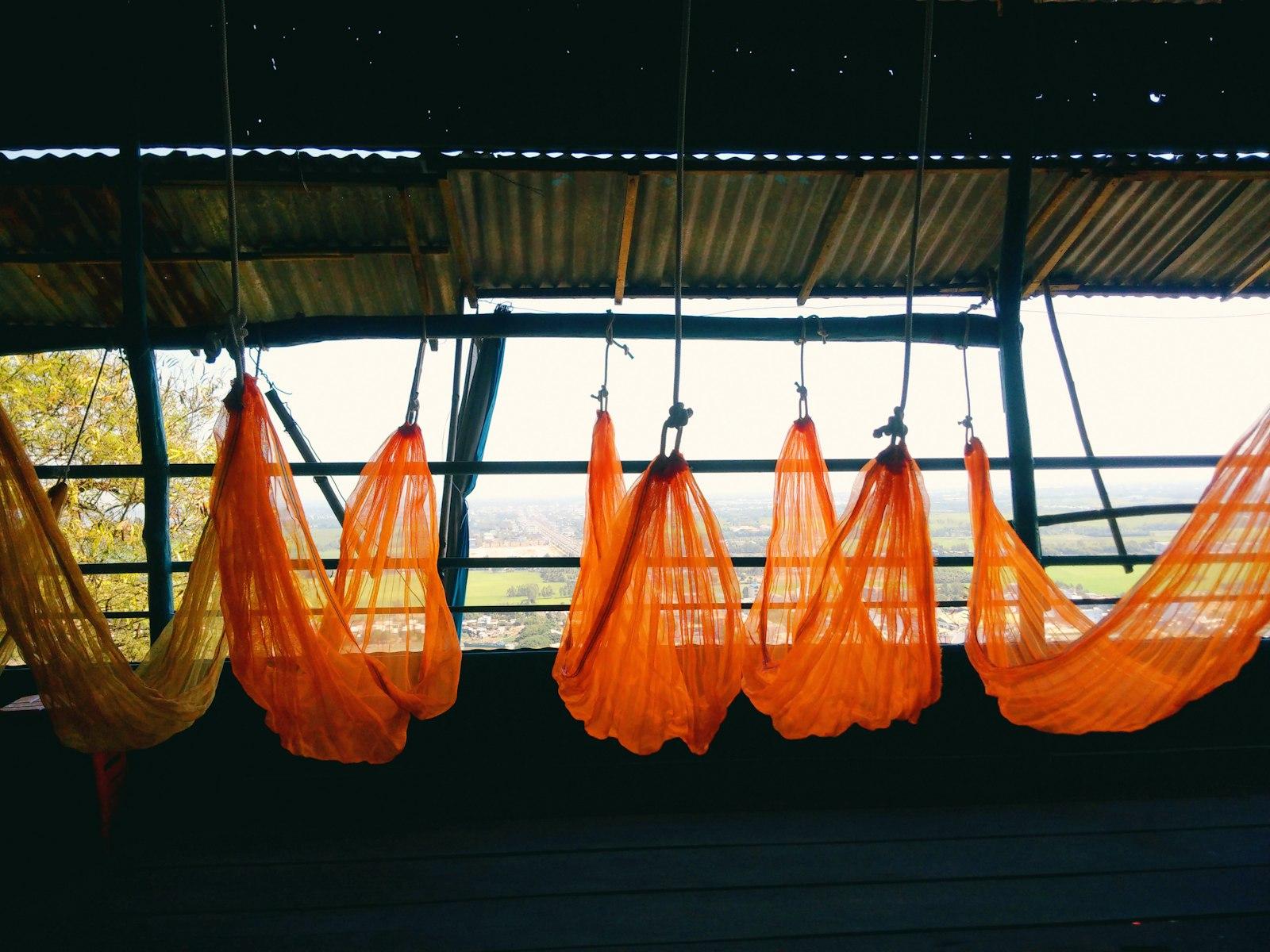
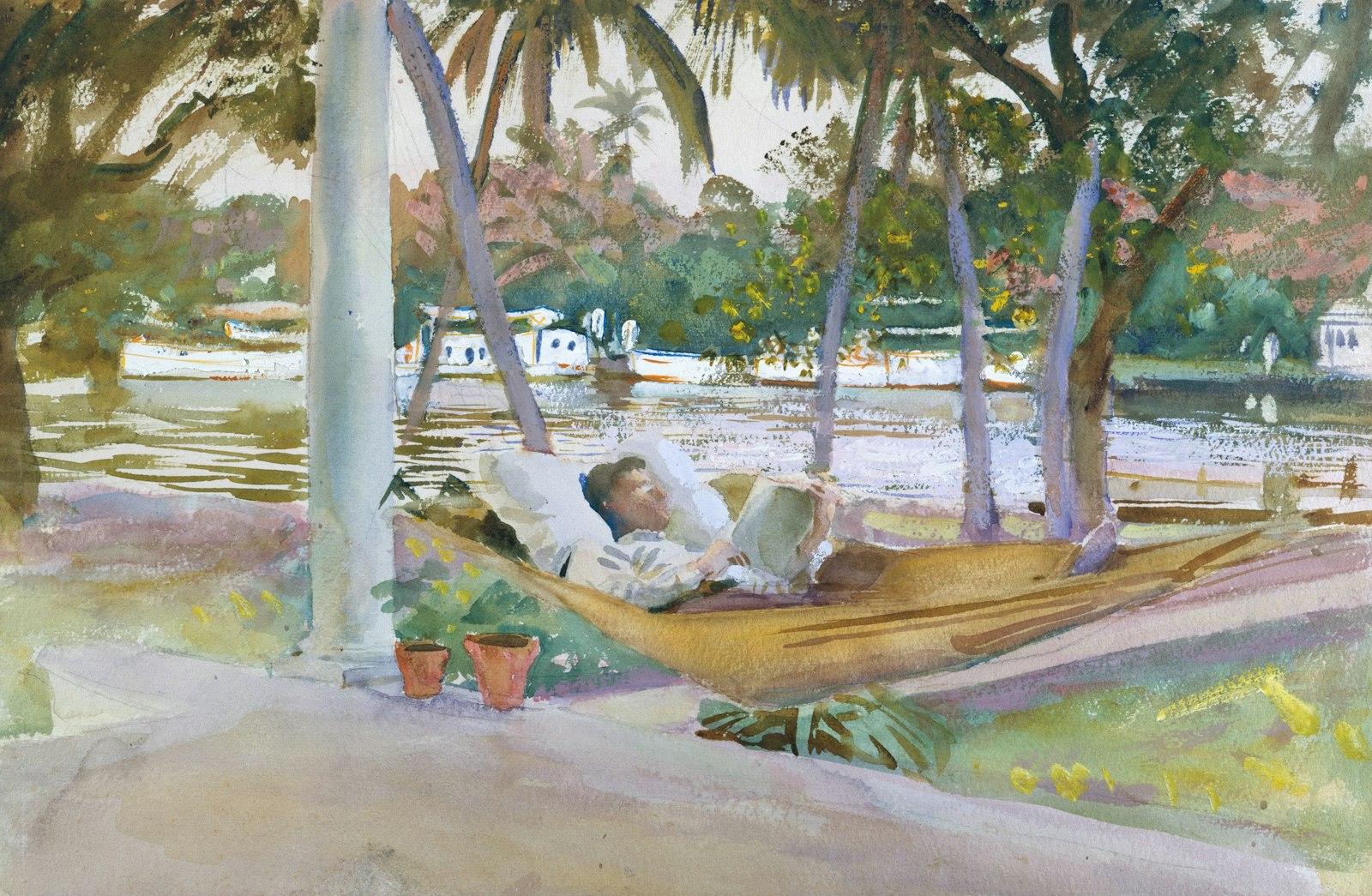
Find a hammock-friendly spot near you.