Are Hammocks Dangerous? How People Get Hurt and How to Avoid It
The handful of ways people actually get hurt in hammocks, from failed anchors to dead branches, and the simple habits that prevent each one.
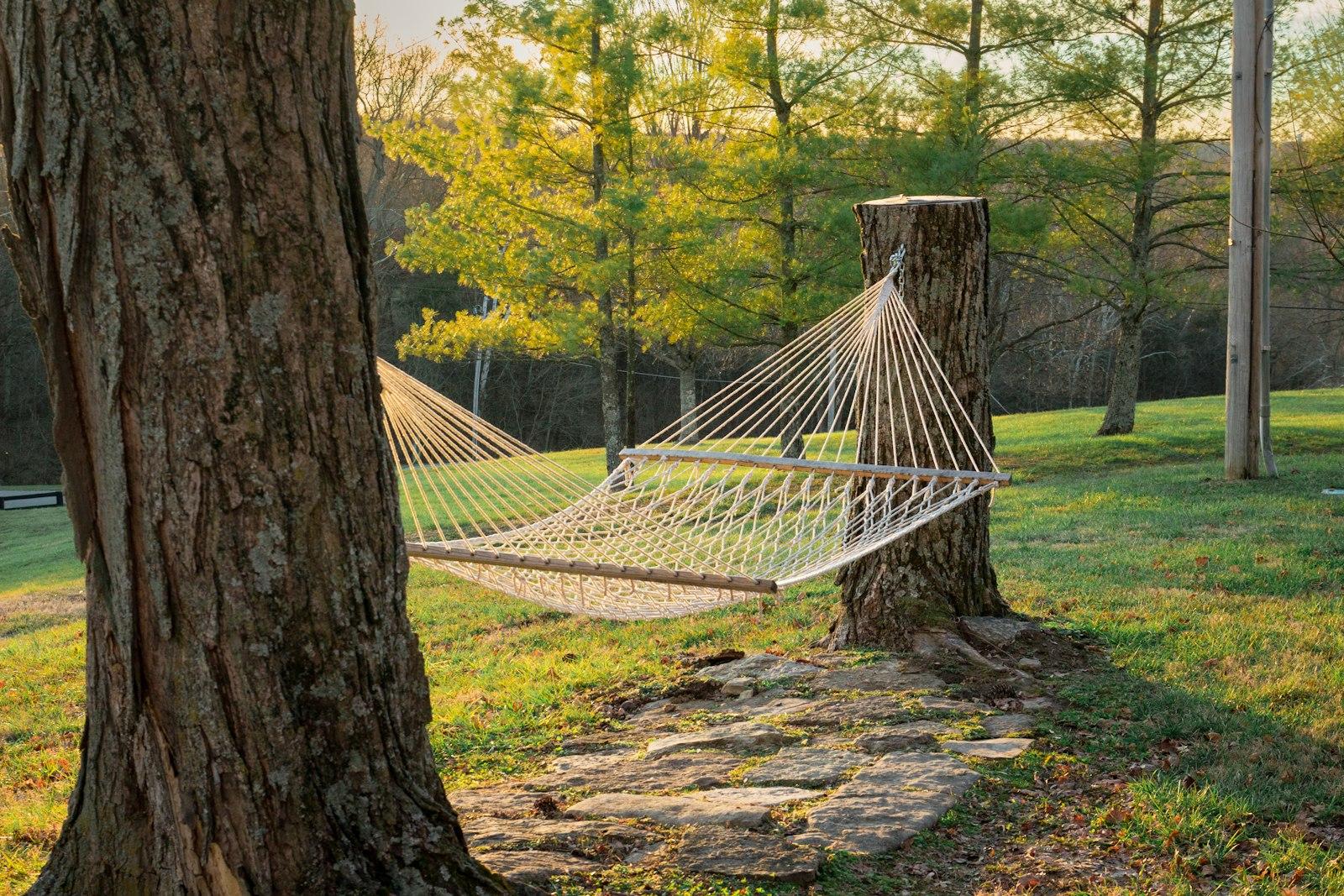
Hammocks are not dangerous when you hang them low, on healthy anchors, with gear rated for your weight. Most injuries come from a few predictable causes: falling out while getting in, an anchor or strap that fails, a hammock hung too high, dead branches falling from above and kids caught in loose cords. Each one has a simple fix.
Are hammocks dangerous?
For adults using a hammock the normal way, the risk is low. The serious incidents tend to share a pattern: something holding the hammock gave way, the hammock was hung high over hard ground, or a child was left alone in one.
The U.S. Consumer Product Safety Commission keeps a record of hammock and hammock-chair recalls, and the hazards listed are almost always falls and collapses. In 2022, for example, about 786,000 swinging hammock chairs were recalled because assembly pins inserted the wrong way could let the legs collapse; the company had received 24 incident reports, with injuries including head lacerations, back strain and concussions (CPSC).
How people get hurt in hammocks
| Cause | What happens | Prevention |
|---|---|---|
| Falling while getting in or out | Hammock tips, you land on your back or tailbone | Sit in the middle, then swing legs in |
| Anchor failure | Hook, post, railing or stand gives way | Rated hardware into solid framing, healthy trees, assembled stands |
| Strap or hardware failure | Worn webbing or a weak clip breaks | Inspect before each use, use load-rated gear |
| Hung too high | A normal fall becomes a long one | Keep the bottom about 18 inches off the ground |
| Dead trees and limbs | Branch or tree falls on the hammock | Look up, never hang from or under dead wood |
| Spreader-bar flip | The bed rolls over | Get in slowly, centered |
| Kids and loose cords | Entanglement around the neck | Supervise, avoid net mini hammocks |
Falls getting in and out
This is the most common way to get hurt, and it usually ends in a bruised tailbone rather than anything worse. The fix is a habit: stand beside the middle of the hammock with your back to it, spread the fabric with your hands, sit down in the center like a low chair, then swing your legs in. Reverse it to get out. Never climb in from the end or flop in sideways. More in how to get in and out of a hammock.
Indoor anchors and stands
Indoors, the weak point is what the hook is screwed into. Drywall anchors, plaster and thin trim will not hold a person dropping into a hammock. Screw rated hardware into a stud, joist or post, and if you cannot find framing, use a stand. With stands, the risk shifts to assembly: pins and bolts that are not fully seated. Build it exactly as the instructions say, and sit down gently the first time.
Railings, posts and fences
Deck railings and fence posts are built to stop you falling, not to carry a sideways pull equal to your body weight. Hanging from them is one of the ways anchors fail. If you want to hang on a porch or deck, use structural posts and beams, and read how to hang a hammock on a porch or pergola.
Can hammocks break?
Yes, and when they do it is usually the suspension, not the fabric. Common failure points:
- Worn straps. UV, abrasion and age weaken webbing. Retire straps that are frayed, stiff or faded.
- Non-rated clips. Keychain carabiners are not built for body weight. Use climbing-rated or load-rated hardware.
- Rope against bark. Thin cord can saw through itself and the tree. Use straps at least 1 inch wide, like the ENO Atlas straps or Kammok Python 10.
- Over capacity. Two people in a hammock rated for one, or a group stacking up, can exceed the weight rating.
- Old cotton or rope hammocks. Natural fibers rot when left wet. Check for weak, discolored spots.
Remember the physics: hung at about 30 degrees, each anchor carries roughly your body weight. Pull the hammock flat and that load can climb to nearly three times your weight, which is when weak hardware fails. Our hanging guide explains it.
Remember why we don't use dead trees
One of the most shared hammock posts on Reddit is a photo with the title "Remember why we don't use dead trees." Dead trees and dead limbs fail without warning, and a hammock adds load and swing to the trunk. Rangers at Sequoia and Kings Canyon National Parks warn that trees topple and limbs drop without warning (NPS).
Before you hang:
- Look up. Check for dead or hanging branches above where you will lie.
- Push the tree. If it moves, find another.
- Check the trunk. Living trees at least 6 inches across, no deep cracks or rot at the base.
- Avoid windy nights under big trees. Wind brings limbs down.
- Check the ground under you too. Rocks, stumps and roots turn a short fall into a real injury. Clear the spot or pick a softer one.
Leaning, cracked or hollow trees are also out, even if they are alive. If you are unsure about a tree, you have your answer: hang somewhere else.
Is sleeping in a hammock dangerous?
Overnight adds a few risks: you are asleep, it is dark and the weather can change. A good camp setup handles them.
Falling out while asleep is not a common complaint among hangers. The fabric wraps up around you, and the diagonal lay keeps you centered. The bigger overnight risks are the ones you set up before dark: anchors, trees, height and what is overhead. That is why experienced hangers check all four in daylight and do not move camp after dark unless they have to. Keep it low, check anchors in daylight, avoid hanging under dead wood, stay out of exposed spots in lightning, and have a warm layer under you so cold does not become the bigger problem. See how to hammock camp and hammock camping mistakes.
Hammock injuries in kids
Kids climb, flip and swing hard. The worst hammock tragedies involving children have been entanglements in small net hammocks without spreader bars, which the CPSC recalled in the 1990s. For kid-specific rules, read are hammocks safe for babies and toddlers.
A five-minute safety check
- Straps 1 inch wide or more, no fraying
- Hardware load-rated, gates closed
- Anchors solid: living trees, structural framing or a fully assembled stand
- Nothing dead overhead
- Bottom of the hammock about 18 inches off the ground
- Weight within the rating
Our hammock safety and Leave No Trace guide covers the same list plus how to protect trees. Check local rules on where you can hang with Can I Hang Here?.
Next step
Replace any worn straps first. Compare rated options on the best tree straps before your next hang.
Frequently asked questions
Are hammocks dangerous?+
Not when used sensibly. Most injuries come from falling while getting in or out, anchors or straps failing, hammocks hung too high and dead branches. Hang it about 18 inches off the ground, use rated straps and hardware on healthy trees or solid framing, look up for dead limbs and supervise children.
Can hammocks break?+
Yes, usually at the suspension rather than the fabric. Worn straps, keychain-style clips, thin rope and overloading cause most failures. A hammock hung flat puts far more force on its anchors than one hung at 30 degrees. Inspect straps and hardware before each use and stay under the weight rating.
Is sleeping in a hammock dangerous?+
No, if the setup is sound. Check your trees and straps in daylight, keep the hammock low, make sure nothing dead hangs overhead and avoid exposed spots during storms. Bring insulation for under you, since cold is a more common overnight problem than falling out.
Why should you not hang a hammock from a dead tree?+
Dead trees and limbs can fall without warning, and a hammock adds weight and swing to the trunk. Park rangers warn that limbs drop without warning even on calm days. Use living, healthy trees at least 6 inches across and look up for dead branches before you hang.

Find a hammock-friendly spot near you.