Are Hammocks Colder Than Tents?
Air under you, a bag crushed flat and wind on all sides. Why hammocks run cold, when tents do too, and how to sleep warm in either.
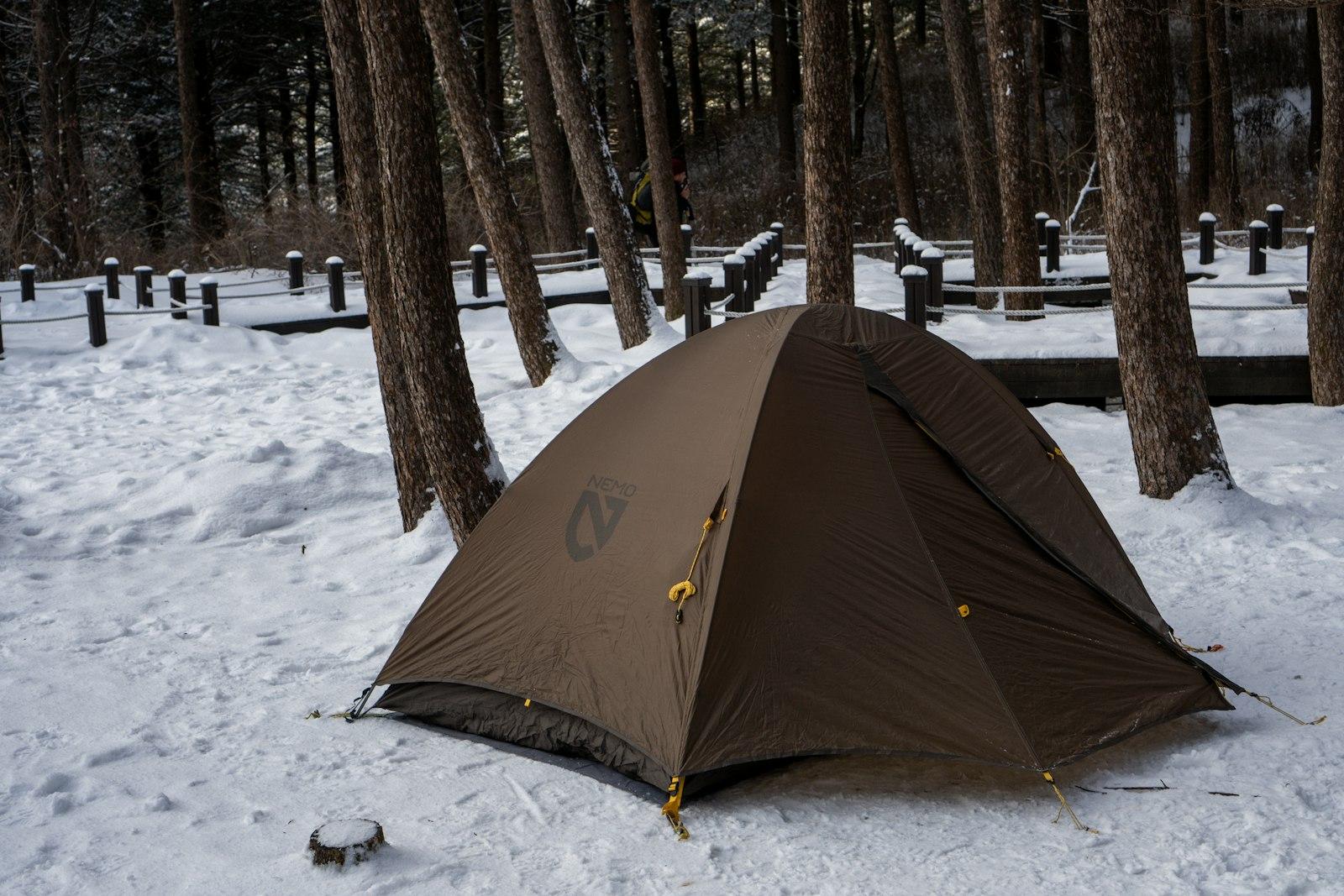
Yes, a hammock is usually colder than a tent unless you add insulation underneath. Air moving under the hammock carries heat away, and your weight crushes the sleeping bag below you so it stops insulating. A tent blocks the wind and you sleep on a pad. With an underquilt or a pad and a tarp, a hammock can be as warm as a tent.
Why is sleeping in a hammock cold?
Three things work against you.
- Convection. In a tent, the air around you is mostly still. In a hammock, the air under you moves, and moving air pulls heat away fast.
- Compression. Insulation works by trapping air. When you lie on a sleeping bag, your weight flattens the fill underneath you, so it barely insulates. That is true in a tent too, but in a tent you have a pad under the bag.
- Exposure. A hammock hangs in open air on all sides. Wind hits the bottom, the sides and your face.
Hammock campers call the result cold butt syndrome. Many people start to feel it below about 70°F (21°C), which surprises anyone used to tent camping on a summer night.
The cold usually shows up in a band across your shoulders, back and hips, the places pressing hardest into the fabric. Your top half under the bag can feel fine while your back feels a draft. That pattern is the giveaway that the problem is below you, not above.
Are hammocks warmer than tents?
Not on their own. A tent is a still air pocket. Even a light single-wall tent blocks wind and traps a little body heat inside.
A tent is not automatically warm, though. The ground pulls heat out of you through conduction, which is why tent campers need an insulated pad. Without one, a tent on cold ground is uncomfortable too. The difference is that tent campers already expect to bring a pad. New hammock campers often do not, and that is why hammocks get a cold reputation.
Tents have their own cold trap: condensation. On a still, humid night, your breath condenses on the tent walls and can drip onto your bag. A damp bag insulates less. A hammock under a tarp has open sides, so condensation is less of a problem, though dew can still settle on the outside of an underquilt.
Hammock vs tent warmth, setup by setup
| Setup | Warmth below you | Wind protection | Notes |
|---|---|---|---|
| Hammock, sleeping bag only | Poor | Poor | Cold even on mild nights |
| Hammock, bag and pad inside | Good | Fair | Pad can slide, double-layer hammocks help |
| Hammock, top quilt and underquilt | Very good | Fair | What most experienced hangers use |
| Hammock, underquilt and low tarp | Very good | Good | Comparable to a tent with a good pad |
| Tent, bag only | Poor | Good | Cold ground pulls heat out |
| Tent, bag and insulated pad | Very good | Good | The simple cold weather default |
So, will sleeping in a hammock or tent keep you warmer? With matched insulation, they get close. A tent is simpler below freezing. A hammock needs more planning.
How to fix a cold back in a hammock
An underquilt hangs outside and under the hammock, so your weight does not crush it. It is the warmest and most comfortable fix. Two examples from our gear data:
- ENO Vulcan UnderQuilt: synthetic fill, rated 30 to 50°F, 28 oz, $179.95. Synthetic keeps working when damp.
- Hammock Gear Incubator: 850-fill down, built to order with ratings from 40°F down to 0°F, from $219.95.
Match the rating to the coldest night you expect, then add a margin. Ratings are a starting point, not a promise. Hang the underquilt snug against the hammock with no gap. A quilt hanging an inch low lets air flow between you and the insulation, and you lose much of the benefit.
A sleeping pad inside the hammock is the cheaper fix. Closed-cell foam or an inflatable pad both work. They slide around, so a double-layer hammock with a pad sleeve helps. A wider pad, or a pad with extensions at the shoulders, keeps the sides of the hammock from pressing cold fabric against your arms. Our underquilt vs sleeping pad post compares the two in detail.
A top quilt instead of a mummy bag makes it easier to get in and keeps you from crushing fill under you that does nothing. See top quilt vs sleeping bag in a hammock.
Block the wind
Wind is the second half of the problem.
- Pitch your tarp low and close the end facing the wind. Tarps with doors or more coverage help most. See how to set up a hammock tarp.
- Hang lower to the ground.
- Pick a site out of valley bottoms and away from water, where cold air settles overnight.
- Use trees or a slope as a windbreak.
Some hangers also add an underquilt protector or a light sheet of fabric under the underquilt. It blocks wind from pushing through the insulation and keeps dew off. It is a small add-on, but on breezy nights people report it makes a noticeable difference.
Small things that add warmth
- Wear a warm hat and dry socks to bed.
- Eat a snack with some fat before you sleep.
- Keep tomorrow's clothes in the foot of your quilt.
- Change out of sweaty clothes before you get in.
- Go to bed warm. A short walk before bed helps more than lying cold and hoping.
The full checklist is in how to stay warm in a hammock.
When to choose the tent anyway
Shoulder seasons catch the most people out. A 45°F night in late September can feel colder in a hammock than a 30°F night in a well planned winter setup, simply because people pack summer gear for it. Check the forecast low, not the daytime high. Then plan for a few degrees colder if you will hang near a lake, a creek or the bottom of a valley.
Pick the tent for deep cold if you do not own an underquilt rated for it, for windy open sites with no shelter, and for trips where you cannot carry extra insulation. Hammocks can go well below freezing with the right gear. People run winter hangs every year, and some groups host events for it, like the Winter Yeti Hang on Mt. Hood. But it takes gear and practice. Start with our winter hammock camping for beginners guide before your first cold trip.
Next step
Before your next cool night, add insulation below you. Browse the best hammock underquilts, then check the season and lows for your destination in the trip planner.
Frequently asked questions
Are hammocks colder than tents?+
Yes, usually, unless you add insulation underneath. Air moving under a hammock carries heat away, and your weight crushes the sleeping bag beneath you so it stops insulating. A tent blocks wind and you sleep on a pad. With an underquilt or pad and a low tarp, a hammock can be about as warm.
Is sleeping in a hammock cold?+
It can be, even on mild nights. Many people start to feel chilly below about 70°F if they have nothing under them but a sleeping bag. The fix is insulation outside or inside the hammock, an underquilt or a sleeping pad, plus a tarp pitched low to block wind.
Are hammocks warm?+
A hammock on its own is not warm because it hangs in open air. It becomes warm when you add insulation below you, such as an underquilt, plus a top quilt and a tarp to block wind. With matched gear, hammock campers sleep comfortably in cold weather, including below freezing.
Why is my back cold in a hammock?+
Your body weight compresses the sleeping bag fill underneath you, so it traps almost no air, and moving air under the hammock carries heat away. Hammock campers call it cold butt syndrome. An underquilt hung under the hammock, or a sleeping pad inside it, solves the problem.
Will sleeping in a hammock or tent keep me warmer?+
With the same sleeping bag and nothing else, a tent keeps you warmer because it blocks wind and you are not exposed on all sides. If the hammock has an underquilt and a low tarp and the tent has a good insulated pad, the two get close. In deep cold, a tent is simpler.
Find a hammock-friendly spot near you.