Can You Hammock in National Parks? A Park-by-Park Overview
There is no single Park Service rule. Here is what Yosemite, the Smokies, Glacier, Zion and six more actually say.
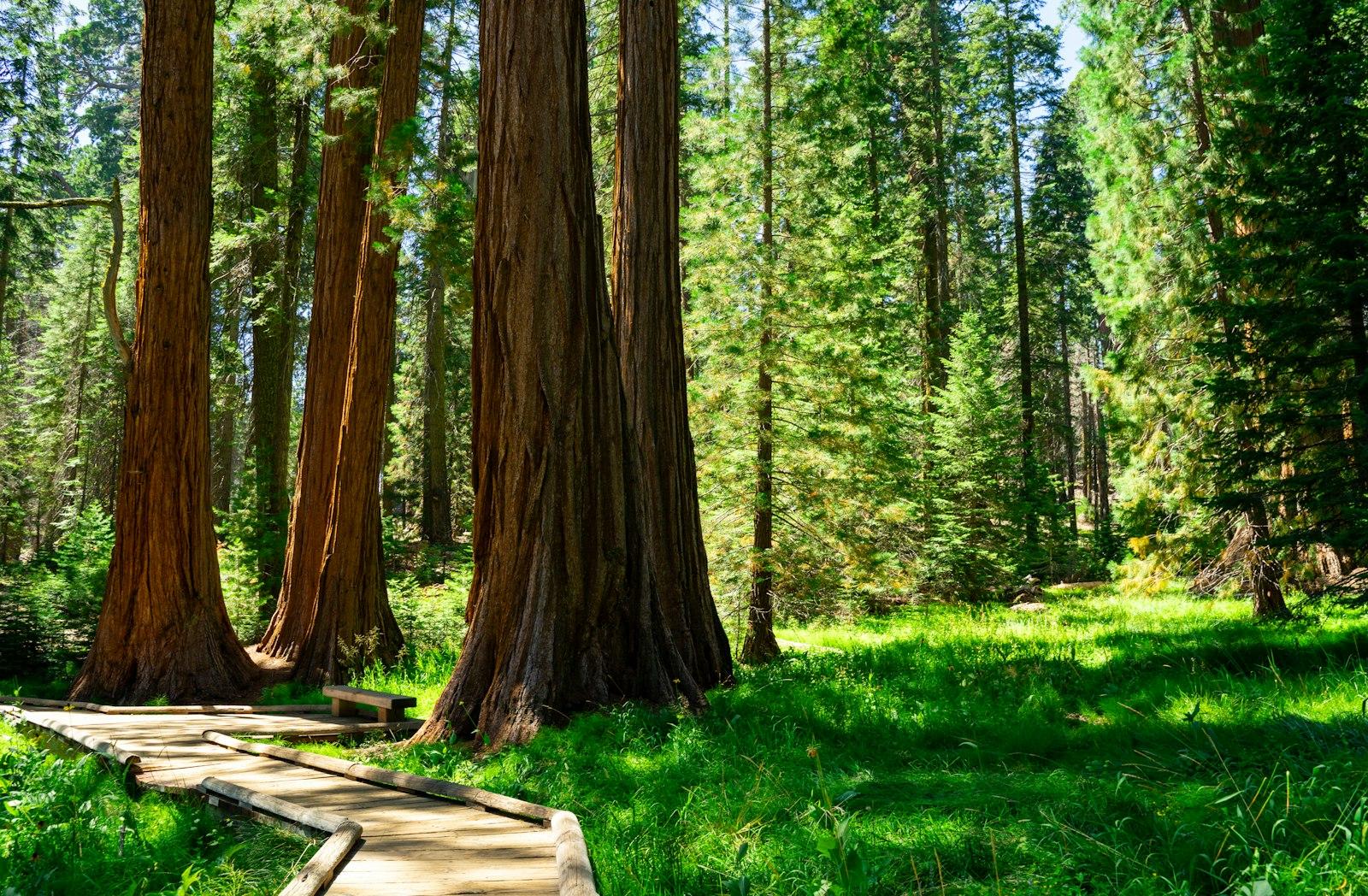
Many national parks allow hammocks in campgrounds, but there is no single National Park Service rule. Each park writes its own in its Superintendent's Compendium. Great Smoky Mountains, Yosemite, Glacier and Acadia allow hammocks with conditions. Zion bans them, and Joshua Tree keeps them out of campgrounds. Always check the specific park before you pack.
Are hammocks allowed in national parks?
Every national park follows federal regulations that protect trees and plants, and then adds its own rules in a document called the Superintendent's Compendium. Hammock rules usually live there or on the park's campground regulations page.
That is why two parks a few hours apart can have opposite answers. Zion bans hammocks outright. Rocky Mountain allows them inside your campsite footprint, except at one campground. Sequoia and Kings Canyon do not publish a hammock rule at all, so you fall back on the general ban on damaging trees.
National park hammock rules, park by park
Here is what ten parks say, from their own pages.
| Park | Hammocks allowed? | Key conditions |
|---|---|---|
| Great Smoky Mountains | Yes, in campsites | Trees 10 inches or more, padding, two hammocks per tree max |
| Yosemite | Yes, in campgrounds | No hazards, pad the trees |
| Glacier | Yes, in campgrounds | Single person hammocks, over bare ground, straps 1 inch or wider |
| Rocky Mountain | Yes, in site footprint | Not at Timber Creek Campground; no overhanging plants |
| Acadia | Yes, in campgrounds | Only trees reachable from the campsite pad |
| Buffalo National River | Yes | Straps that do not damage vegetation; no park structures |
| Grand Canyon | No written rule found | Mather Campground: take down when not in use |
| Sequoia and Kings Canyon | No written rule found | No nails, chains or wire on trees |
| Joshua Tree | Not in campgrounds | Tie to rocks or bolts only, never vegetation |
| Zion | No | Banned in campgrounds and wilderness |
The sources, in the same order:
- Great Smoky Mountains: hammocks are allowed over the footprint of the campsite, on trees 10 inches in diameter with adequate padding, and only two per tree. (NPS)
- Yosemite: hammocks and other tensioned lines are allowed in campgrounds as long as they do not create a hazardous condition. Pad the trees. (NPS)
- Glacier: see below.
- Rocky Mountain: hammocks only within the designated footprint of the campsite, no overhanging or damaging vegetation, and none at Timber Creek because it lacks mature trees. (NPS)
- Acadia: clotheslines, rain tarps and hammocks only on trees you can reach without stepping outside the campsite pad. (NPS)
- Buffalo National River: hammocks are permitted, attached to vegetation of sufficient size with straps that do not damage it, and never to park structures. (NPS)
- Grand Canyon: read can you hammock in the Grand Canyon.
- Sequoia and Kings Canyon: see below.
- Joshua Tree: lines may not be attached to vegetation, and hammocks must be tied to rocks and climbing bolts and are not permitted in campgrounds. (NPS)
- Zion: the use of hammocks and slacklines is prohibited, and nothing can be hung on park trees or structures. (NPS)
For more parks, browse our national parks for hammocking collection, where each park page lists its rules and sources.
Can you hammock in Sequoia National Park?
Sequoia and Kings Canyon do not publish a hammock rule on their campground regulations page. What they do say is: do not drive nails into trees or wrap them with chains or wire, and camp only in designated sites. (Sequoia and Kings Canyon campground regulations)
That makes it a gray area. Wide straps inside your campsite on a healthy, mid sized tree are the low impact way to do it if staff allow it. Leave the giant sequoias alone. Ask at the campground or a visitor center before you hang.
Can you hammock camp in Glacier National Park?
Yes, in campgrounds, with three conditions from Glacier's compendium: only single person hammocks are permitted, they must hang over bare, durable surfaces within the bounds of your designated campsite, and they must be attached with straps 1 inch or wider. (Glacier compendium)
Backcountry camping in Glacier has its own permit conditions in the same compendium, so read that section before a backcountry trip. Glacier is also bear country, so read hammock camping and bears before you go.
Can you hammock in Banff?
Banff is run by Parks Canada, not the US Park Service. We could not find a published hammock rule for Banff, so ask the visitor centre or the backcountry office before you hang.
Next door in Jasper, Parks Canada is specific. Hammocks are permitted at some backcountry campgrounds if you use webbing straps to protect the trees, they are not permitted where the trees are unsuitable, and you must never hang one from food storage poles. Jasper lists several campgrounds where hammocks are banned, including all Skyline trail campgrounds and Tonquin Valley. (Jasper backcountry planning guide, Parks Canada) Expect Banff staff to apply similar thinking.
What rules do most national parks share?
When a park does allow hammocks, the conditions repeat. Plan for all of these and you will rarely be caught out:
- Stay inside your campsite footprint or pad.
- Use webbing straps at least 1 inch wide, and pad the tree when asked.
- Use healthy trees of a decent size. The Smokies set 10 inches.
- Never attach to bear boxes, shelters, signs, picnic shelters or other structures.
- Hang over bare ground, not plants.
- Take the hammock down when you leave camp.
- Store food by the park's rules. A hammock is not a food storage spot.
Backcountry trips add another layer. Most parks require a backcountry permit for overnight stays, and many require you to camp at designated sites. Those sites were laid out for tents, so the trees around them may be too small, too far apart or too close to water. Grand Canyon, for example, requires a backcountry permit for every overnight stay in its backcountry. When you apply for a permit, ask whether hammocks are allowed at each site on your route, and carry a ground backup if the answer is unclear.
Leave No Trace suggests hammock camping at least 200 feet from water and choosing established sites where vegetation is already gone. That lines up with most park rules and keeps you out of trouble where the rules are silent.
Our hammock safety and Leave No Trace guide covers the setup, and how to hammock camp covers the rest of the trip.
How do you find a park's hammock rules?
- Search the park name plus "Superintendent's Compendium" and look for a hammock section.
- Check the park's campground regulations page.
- Read the campground's Recreation.gov listing. Some post hammock notices, like Grand Canyon's Mather Campground.
- Call the park or ask a ranger when nothing is written.
- Check our Can I Hang Here pages for parks we cover.
Next step
Start with the parks that welcome hammocks in our national parks collection, then compare state options in can you hammock in state parks.
Frequently asked questions
Are hammocks allowed in national parks?+
In many, yes, but there is no single rule. Each park sets its own conditions in its Superintendent's Compendium or campground rules. Great Smoky Mountains, Yosemite, Glacier, Acadia and Rocky Mountain allow hammocks in campsites with conditions. Zion bans them, and Joshua Tree keeps them out of campgrounds. Check the specific park before your trip.
Can you hammock in Sequoia National Park?+
Sequoia and Kings Canyon do not publish a hammock rule. Their campground regulations ban driving nails into trees or wrapping them with chains or wire, and camping is only allowed in designated sites. Wide straps inside your site are the low impact option if staff allow it. Ask at the campground or a visitor center before you hang.
Can you hammock camp in Glacier National Park?+
Yes, in campgrounds. Glacier's compendium allows only single person hammocks, hung over bare, durable surfaces within your designated campsite, using straps 1 inch or wider. Backcountry camping has its own permit conditions in the same compendium. Glacier is bear country, so follow its food storage rules and never store food near your hammock.
Can you hammock in Banff?+
We found no published hammock rule for Banff, so ask Parks Canada staff before you hang. In nearby Jasper, Parks Canada allows hammocks at some backcountry campgrounds with webbing straps, bans them where trees are unsuitable, and forbids hanging from food storage poles. Several Jasper campgrounds ban hammocks entirely, so rules can differ site by site.
Do I need a permit to hammock in a national park?+
Not a separate hammock permit, in the parks we checked. You need a campground reservation to stay overnight in a campground and a backcountry permit for most backcountry camping. Day hangs follow the park's general rules. Some parks ban hammocks or limit them to campsites, so read the compendium for the specific park.
Find a hammock-friendly spot near you.