Is Hammocking a Hobby? How to Get Into Hammocking
It is not a sport, but it is a real hobby with gear, skills and a friendly community. Here is how people get into it, and what it costs to start.
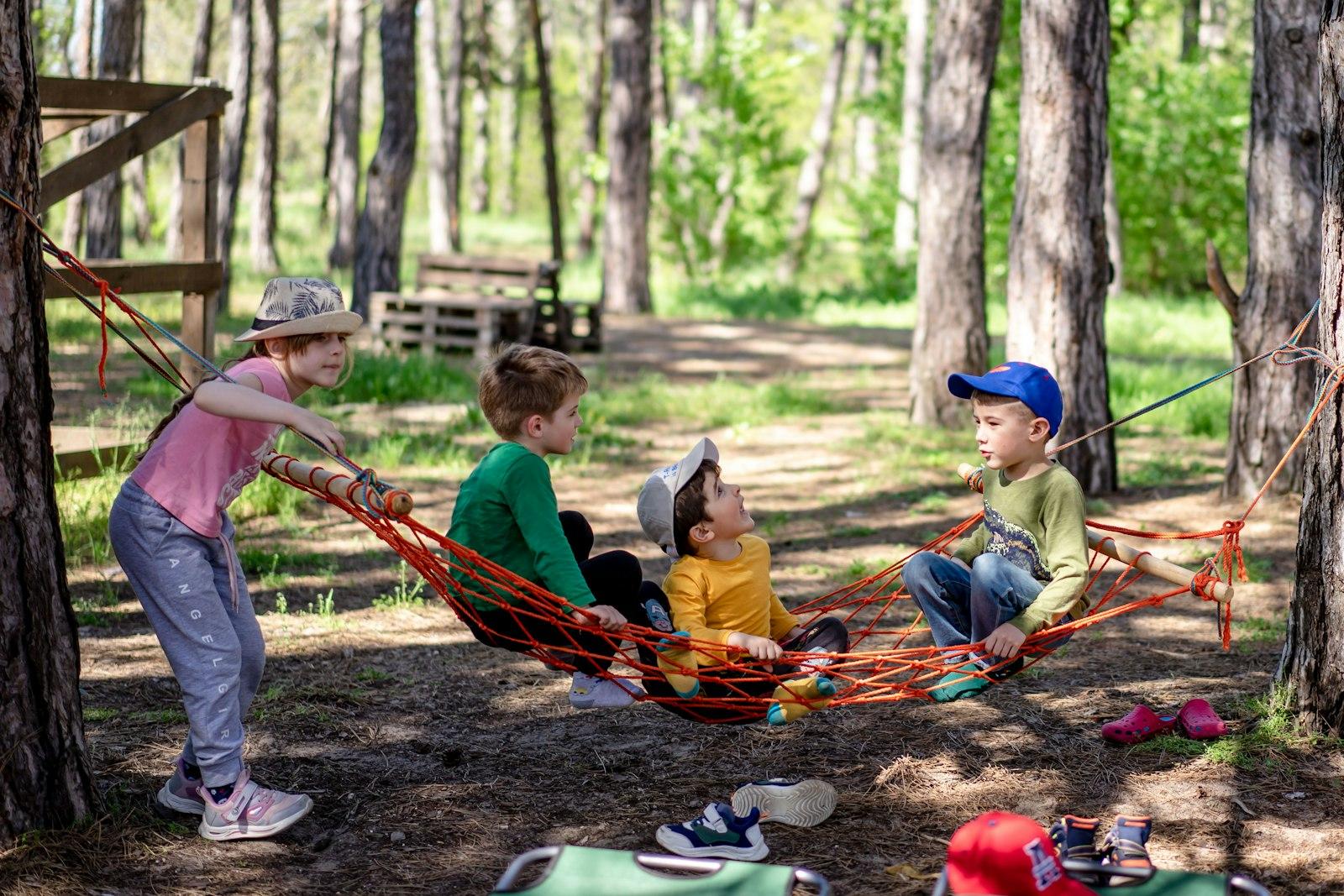
Yes, hammocking is a hobby. For some people it means lounging in a park with a book. For others it means sleeping in a hammock on backpacking trips, sewing their own gear or traveling to group hangs. It is not a competitive sport, and "hammocking" is an informal word, but the skills, gear and community are real. Getting started costs about $40 to $105.
Is hammocking a hobby?
It is, and it has more depth than people expect. Most hangers fall into one or more of these groups:
- Loungers. A hammock in the backyard, at the beach or on a lunch break in the park. The goal is rest.
- Hammock campers. People who replace the tent with a hammock, tarp and insulation. They care about sag, ridgelines and staying warm. Our guide to how to hammock camp is the place to start.
- Gear tinkerers. People who tweak suspension, try new knots and often make their own quilts, tarps or hammocks. This is often called MYOG, short for "make your own gear."
- Group hangers. People who go to organized hangs, from local meetups to multi-day gatherings, to camp with others and trade ideas.
The online side is part of the hobby too. Hammock forums and subreddits are full of first hangs, trip reports and people helping strangers fix a cold back or a sagging tarp. One popular Reddit thread was simply titled "This sub brought me to tears," about how welcoming the community had been. That tone is common.
Is hammocking a sport?
Not in the usual sense. There is no scoring, no league and no winner. It is closer to camping, fishing or birdwatching: an outdoor activity you can do casually or seriously, alone or with friends, for an hour or for a week.
There are skills, though, and they improve with practice. Picking trees, setting a 30 degree hang angle, getting a flat diagonal lay, pitching a tarp in wind and staying warm on a cold night all take some learning. That learning curve is a big part of why people stick with it.
Is hammocking a real word?
People use it all the time, on park signs, gear sites, event listings and in everyday speech. Standard dictionaries like Dictionary.com list "hammock" as a noun and do not yet include "hammocking," so it is informal. Most people understand it to mean spending time in a hammock, whether that is an hour in the yard or a week on the trail.
If you want to say the root word correctly, it is HAM-uhk. Our guide to how to pronounce hammock covers why.
How to get into hammocking
You can be hanging this weekend. A simple path:
- Start with a day hang. Hang in your yard or a park that allows hammocks. Learn how it feels before buying anything expensive.
- Get a basic kit. A gathered-end nylon hammock plus wide tree straps. Our guide to choosing your first hammock explains sizes.
- Learn the hang. Aim for about a 30 degree angle on the straps and a sitting height of about 18 inches. Follow how to hang a hammock.
- Learn the lay. Lie diagonally, not straight down the middle. How to sleep in a hammock shows how.
- Try a backyard overnight. It is the safest place to learn what you need: bug net, tarp, insulation.
- Do your first camping trip. Use our hammock camping gear list and read up on common first-trip mistakes.
- Find your people. Join a group hang. Our events calendar lists gatherings like HangCon and a range of winter hangs.
Skills hammockers pick up over time
Part of the fun of the hobby is that there is always one more thing to get better at. The usual progression:
- Choosing trees. Healthy, live trunks the right distance apart, with nothing dead overhead.
- Tying or skipping knots. Some hangers love knots, others use buckles and daisy chains. Start with the best knot for a hammock.
- Pitching a tarp. Learning to set a tarp low and tight in wind is the difference between a dry night and a wet one.
- Staying warm. Hammocks lose heat underneath, so insulation matters more than in a tent.
- Reading the weather. Wind direction, rain timing and overnight lows shape where and how you hang.
- Leaving no trace. Protecting bark, ground cover and the spot for the next person.
Each skill also makes the hobby cheaper over time. People who learn to read a site and pitch a tarp well tend to buy less gear, not more, because they know what actually solves their problems.
You do not need all of this on day one. Most people learn it one trip at a time, and the community is generous with advice when you get stuck.
How much does it cost to start hammocking?
Less than most outdoor hobbies. Prices below come from our gear database and the makers' listed prices, which change:
| Setup | Example | Straps included | Listed price |
|---|---|---|---|
| Budget lounger | Wise Owl DoubleOwl | Yes, 9 ft straps | $39.95 |
| Budget lounger | Grand Trunk Double Deluxe | Yes, 5 ft straps | $49.99 |
| Brand-name lounger | ENO DoubleNest plus Atlas straps | Bought separately | $104.90 |
| Overnight kit with bug net and fly | Hennessy Hammock Expedition Zip | Yes | $169.95 |
| Complete overnight kit | Kammok Mantis | Yes | $299.95 |
For lounging, any of the first three works. For sleeping out, budget for a bug net, a tarp and insulation, whether bought as a kit or piece by piece. If cold nights are in your plans, learn how hammock insulation works before you buy a quilt.
Common beginner questions
Do I need trees? No. A stand works in a yard, on a patio or indoors.
Is it legal to hang in my local park? It depends on the park. Check the park's rules before you go, and ask staff if the signs are unclear.
Do I need special clothes? No. Avoid zippers and buckles that can snag thin nylon, and bring a warm layer, since air under the hammock cools you faster than you expect.
Will I sleep well? Many people sleep better hanging than they expected, but it takes a night or two to learn the diagonal lay. Give it more than one try.
Is it safe? Hammocking is low risk when you use healthy trees, rated straps and a sensible height of about 18 inches. Most problems come from bad anchors or hanging too high. Our guide to hammock injuries and how to avoid them lists the common ones.
What if I am tall or heavy? Check length and weight ratings.
Next step: find a legal, good-looking spot for your first hang with our hang spot finder.
Frequently asked questions
Is hammocking a hobby?+
Yes. Hammocking covers lounging in parks and yards, hammock camping instead of tenting, making your own gear and going to group hangs. It has its own skills, gear and an active online community. You can keep it casual with a $40 hammock or go deep with overnight kits, quilts and tarps.
Is hammocking a sport?+
Not really. There is no scoring, competition or league. Hammocking is closer to camping or fishing: an outdoor activity with skills you improve over time, such as choosing trees, setting a 30 degree hang angle, lying diagonally and staying warm and dry overnight. Most people do it for rest and time outside.
Is hammocking a real word?+
It is widely used but informal. You will see hammocking on park signs, gear sites and event pages, and most people understand it to mean spending time in a hammock. Standard dictionaries such as Dictionary.com list hammock as a noun and do not yet include hammocking as its own entry.
How do you get into hammocking?+
Start with a day hang in a yard or a park that allows hammocks. Get a basic gathered-end hammock and wide tree straps, learn the 30 degree hang angle and the diagonal lay, then try a backyard overnight. After that, plan a first camping trip and look for a group hang to meet other hangers.
How much does it cost to start hammocking?+
A budget hammock with straps, such as the Wise Owl DoubleOwl at a listed $39.95, is enough for lounging. A brand-name hammock plus straps runs about $105. For overnight trips, an all-in-one kit with a bug net and rain fly starts around $170 in our gear database, with insulation extra for cold nights.

Find a hammock-friendly spot near you.